In a stunning turn of events, a group of lawyers has set their sights on Tesla CEO Elon Musk’s hefty compensation package, successfully challenging its legitimacy and now seeking a colossal $5.6 billion in Tesla stock as compensation.
The legal saga began when a group of lawyers, representing concerned shareholders, initiated legal proceedings questioning the intricacies of Musk’s pay structure. The contentious issue revolved around the performance-based stock options awarded to Musk, which had previously faced criticism for being excessively generous.
The lawyers, armed with a barrage of arguments and legal acumen, successfully convinced the court that the pay structure did not align with the best interests of Tesla shareholders. The court, in a groundbreaking decision, ruled in favor of the lawyers, deeming Musk’s compensation package inappropriate and in violation of fiduciary duties.

Following the court’s decision, the legal team, led by prominent attorney Robert Henderson, has wasted no time in pursuing their next objective — a staggering $5.6 billion in Tesla stock as compensation for shareholders who suffered as a result of Musk’s allegedly excessive pay.
Henderson, known for his prowess in corporate law, stated, “This victory is not just a win for our clients but for all Tesla shareholders who have long questioned the fairness of Elon Musk’s compensation. Our demand for $5.6 billion in Tesla stock reflects the scale of the damages suffered by shareholders and the need for corporate accountability.”
The legal battle has ignited a heated debate within the financial and legal communities, with opinions divided on the appropriateness of such a substantial compensation claim. While some argue that Musk’s contributions to Tesla’s success warrant generous remuneration, others contend that excessive executive pay could set a dangerous precedent.
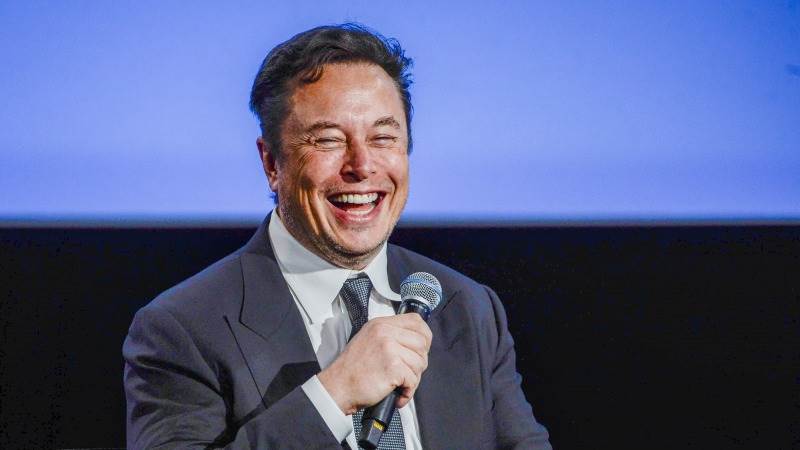
Tesla, for its part, has indicated that it will vigorously contest the compensation claim, with the company’s spokesperson stating, “We firmly believe that Elon Musk’s compensation is entirely justified given his role in transforming Tesla into a global leader in the electric vehicle industry. We will explore all available legal avenues to defend the company and its leadership.”
As the legal drama unfolds, the outcome of this high-stakes battle could potentially reshape the landscape of executive compensation in corporate America, emphasizing the growing importance of transparency and fairness in awarding top executives’ pay packages. The case serves as a stark reminder that even the most influential figures in the business world are not immune to legal scrutiny, and their actions may have far-reaching consequences for both shareholders and the broader corporate governance landscape.