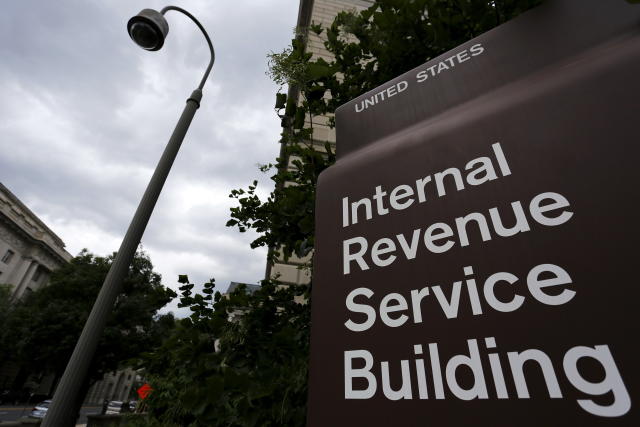
In a move that underscores its commitment to closing the tax gap, the Internal Revenue Service (IRS) has announced an aggressive crackdown on 1,600 millionaires suspected of evading taxes and owing millions of dollars in back taxes. This bold initiative comes as part of the IRS’s ongoing efforts to ensure that every taxpayer, regardless of their income bracket, pays their fair share.
The IRS estimates that the 1,600 millionaires being targeted collectively owe approximately $2.4 billion in unpaid taxes. These high-net-worth individuals have allegedly exploited various loopholes and tax shelters to evade their tax obligations. This crackdown represents a significant step towards addressing wealth inequality and reinforcing the integrity of the U.S. tax system.

Targeting Wealthy Taxpayers
The IRS has been intensifying its focus on high-income individuals and their tax compliance in recent years. The agency’s efforts to close the tax gap have led to increased scrutiny of tax returns filed by the wealthiest Americans. The initiative to target 1,600 millionaires is a major escalation of these efforts.
Sophisticated Data Analysis
The IRS plans to leverage its advanced data analytics capabilities to identify and target tax evaders accurately. This technology allows them to sift through vast amounts of financial data, identifying discrepancies and patterns that may suggest tax evasion. By using sophisticated algorithms and cross-referencing information from various sources, the IRS aims to bring tax evaders to justice effectively.
Legal Actions and Penalties
For those millionaires found guilty of tax evasion or underpayment, they could face severe legal consequences, including criminal charges and civil penalties. The IRS intends to send a clear message that evading taxes, regardless of one’s financial status, will not be tolerated.
Public Support and Controversy
While the crackdown has garnered significant public support, it has also sparked controversy. Critics argue that targeting millionaires may disproportionately affect individuals who have complex financial situations, rather than just tax evaders. Some believe that the IRS should instead focus on systemic issues, such as closing tax loopholes and simplifying the tax code.
The Broader Impact
The IRS’s crackdown on millionaires reflects a broader trend in tax enforcement aimed at increasing fairness and revenue collection. As the government seeks to fund important initiatives and address fiscal challenges, it is essential to ensure that all taxpayers pay their dues. This initiative is part of a larger effort to level the playing field and hold those with substantial wealth accountable for their tax responsibilities.
The crackdown on 1,600 millionaires is a clear signal that the IRS is prepared to use its full range of resources to pursue tax evaders, regardless of their financial status. The agency’s determination to close the tax gap underscores the importance of tax compliance for all Americans, ensuring that the burden of funding essential government services is equitably shared. As this initiative unfolds, it will undoubtedly raise questions about the fairness and effectiveness of the U.S. tax system, sparking important discussions about tax policy and enforcement in the years ahead.