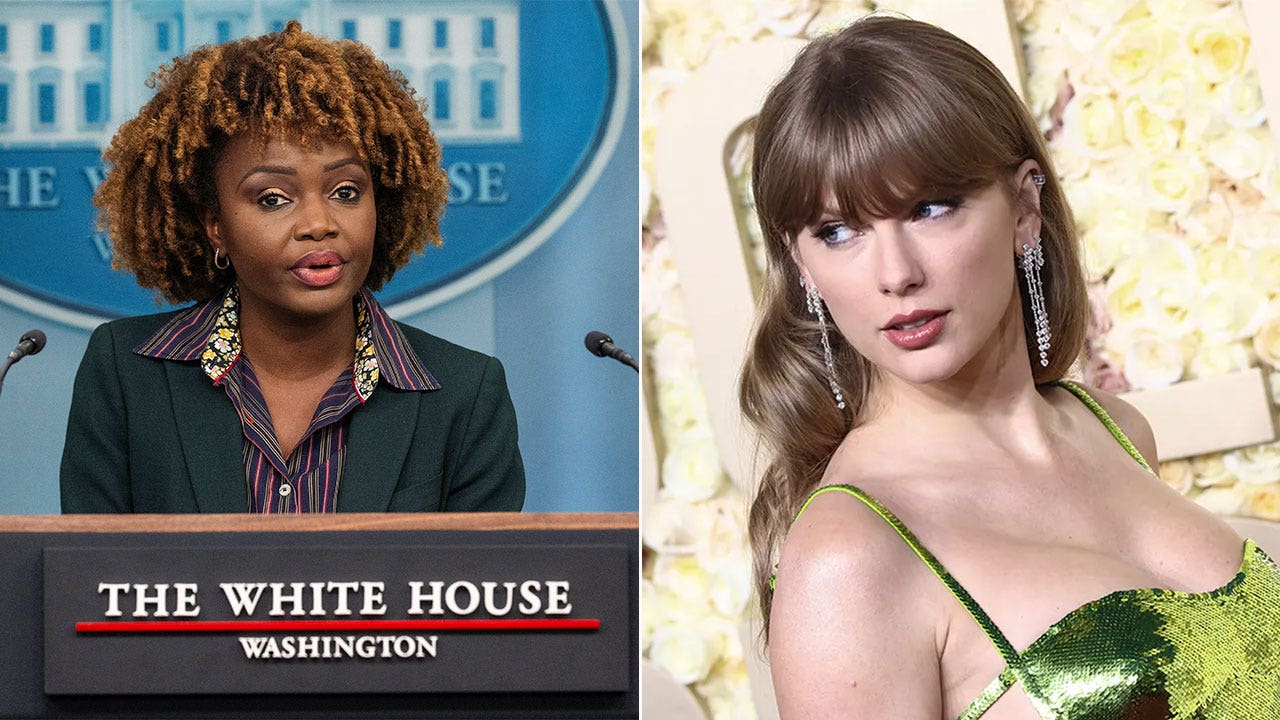
In a groundbreaking move, the White House has expressed deep concern over the proliferation of explicit AI-generated images featuring popular celebrity Taylor Swift. The administration has labeled the development as “alarming” and is urging Congress to take swift action in regulating the creation and dissemination of such deepfake content.
The issue came to light after an increasing number of AI-generated images, commonly known as deepfakes, depicting Taylor Swift in explicit and inappropriate scenarios began circulating on various online platforms. White House Press Secretary, Sarah Matthews, addressed the matter during a press briefing, stating, “The creation and distribution of explicit deepfake content, particularly targeting public figures like Taylor Swift, is a disturbing trend that requires immediate attention.”
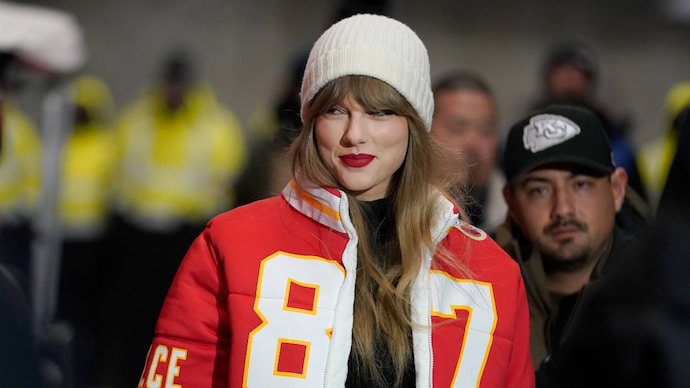
Matthews emphasized the potential harm caused by such content, not only to the individuals targeted but also to public trust and the integrity of digital media. “These malicious and deceptive uses of artificial intelligence can have serious consequences, both for the individuals affected and the broader societal implications,” she added.
The White House is now calling on Congress to expedite the creation and passage of legislation specifically addressing deepfake technology. The proposed regulations would aim to define and criminalize the malicious use of AI-generated content, particularly when it involves public figures without their consent.
Technology experts and privacy advocates have long warned about the potential misuse of deepfake technology, which uses artificial intelligence algorithms to manipulate or create realistic-looking videos and images. The recent surge in explicit deepfake content targeting celebrities has intensified the debate over the need for legal safeguards against the unauthorized use of AI-generated materials.

In response to the call from the White House, lawmakers are expected to prioritize discussions on deepfake regulation. The proposed legislation may encompass measures to hold creators of malicious deepfake content accountable, protect the privacy and reputation of individuals, and establish penalties for those found in violation of the law.
Taylor Swift’s representatives have not issued an official statement on the matter, but celebrities and public figures have increasingly become targets of deepfake technology, prompting a broader conversation about the need for legal frameworks to address these evolving threats to privacy and digital security.
The White House’s intervention highlights the urgency of addressing the potential dangers posed by deepfake technology and its impact on public figures. As legislative discussions unfold, the outcome will likely shape the legal landscape surrounding the creation and dissemination of AI-generated content in the years to come.