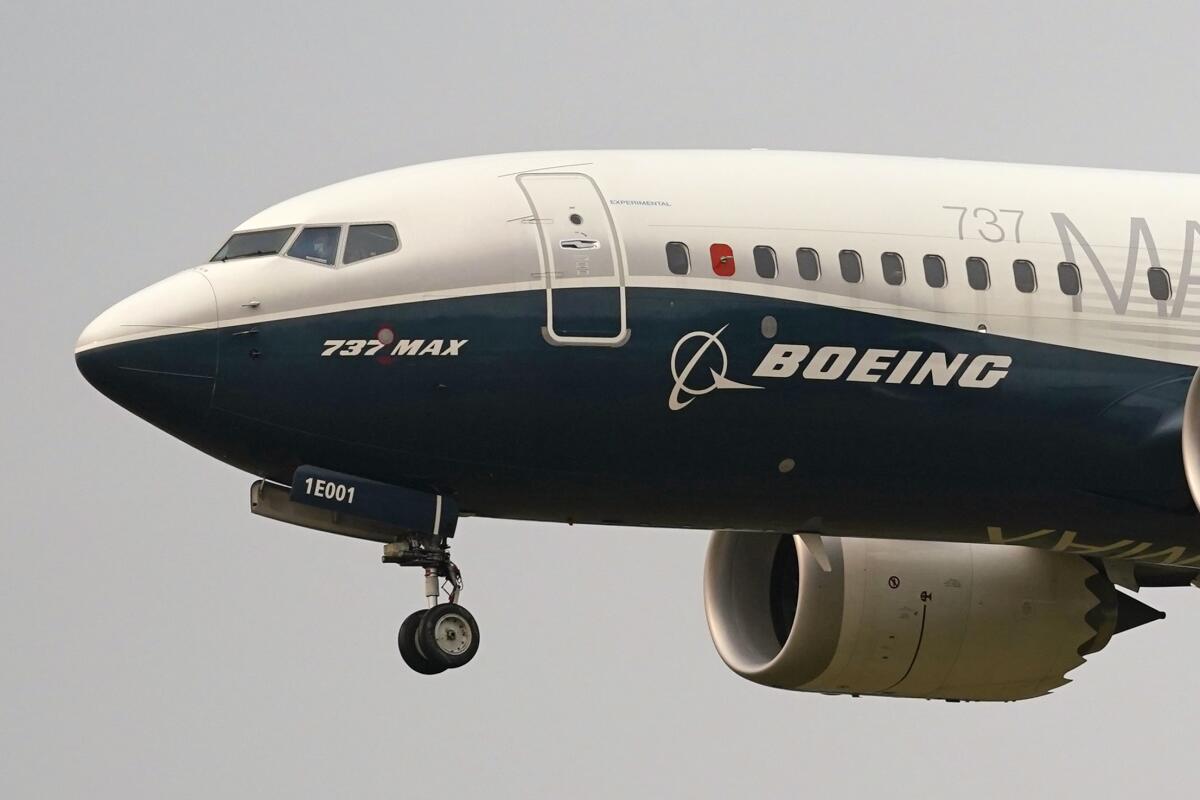
Boeing is facing a challenging period as the aerospace giant reported a significant drop in sales, with no new orders for its 737 Max aircraft for the second consecutive month. This development raises concerns about the company’s recovery and future prospects in the highly competitive aviation market.
The 737 Max, once a cornerstone of Boeing’s commercial fleet, has struggled to regain the confidence of airlines and regulators following a global grounding in 2019 due to two fatal crashes. Although the aircraft was recertified and returned to service in late 2020, lingering safety concerns and market conditions have hampered its sales performance.
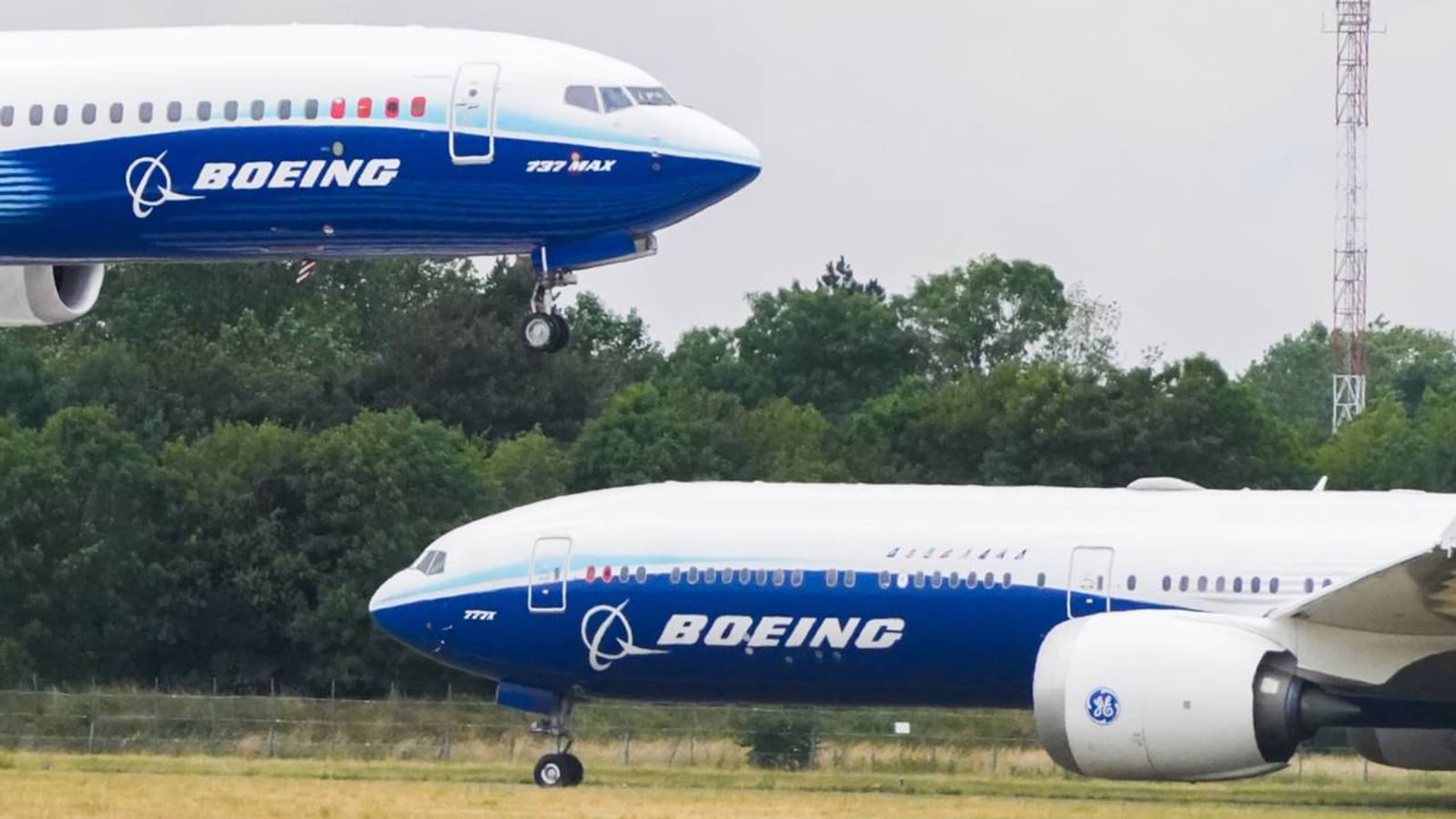
In recent months, the situation has worsened. Despite efforts to reassure airlines and passengers of the 737 Max’s safety and reliability, Boeing has recorded zero new orders for the model in both April and May. This marks a significant setback for the company, which had hoped for a stronger rebound as global air travel gradually recovers from the COVID-19 pandemic.
Industry analysts attribute the lack of orders to several factors, including ongoing safety concerns, competition from rival manufacturers like Airbus, and the cautious approach airlines are taking as they rebuild their fleets post-pandemic. Additionally, supply chain disruptions and economic uncertainties have made airlines more conservative in their purchasing decisions.
“Boeing is facing a perfect storm of challenges,” said aviation analyst John Smith. “The 737 Max issues have certainly played a role, but the broader market conditions and intense competition are equally significant. Airlines are being very strategic with their orders, and unfortunately for Boeing, the 737 Max is not the priority at the moment.”
The absence of new orders for the 737 Max has also impacted Boeing’s financial outlook. The company’s shares have taken a hit, reflecting investor concerns over its ability to regain market share and return to pre-crisis profitability. Boeing has been working on ramping up production and delivery of the 737 Max to fulfill existing orders, but the lack of new business is a worrying trend.

In response to these challenges, Boeing has reiterated its commitment to safety and quality. “We remain confident in the 737 Max and continue to work closely with our customers to address their needs and concerns,” said a Boeing spokesperson. “Our focus is on delivering the highest standards of safety and reliability in every aircraft we produce.”
As Boeing navigates these turbulent times, the company is also exploring other avenues for growth. This includes expanding its services and support business, investing in new technologies, and potentially accelerating the development of new aircraft models to meet evolving market demands.
The next few months will be critical for Boeing as it seeks to secure new orders and restore confidence in its flagship aircraft. The aviation industry will be closely watching how the company adapts to the current challenges and positions itself for future success.