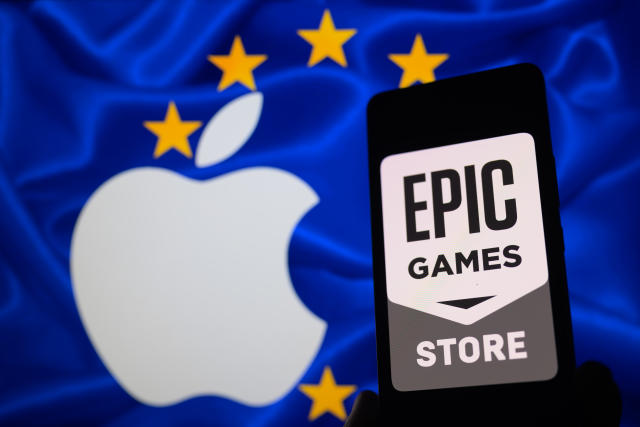
In a groundbreaking move that could reshape the landscape of digital marketplaces, Apple has agreed to allow Epic Games to operate a third-party app store on its iOS platform. This decision marks a significant shift in Apple’s long-standing policy of maintaining a closed ecosystem for app distribution, exclusively through its own App Store.
The announcement comes after years of legal battles and public disputes between Epic Games and Apple. The conflict began in August 2020, when Epic introduced a direct payment option in its popular game, Fortnite, bypassing Apple’s 30% commission fee. Apple responded by removing Fortnite from the App Store, prompting Epic to file a lawsuit against Apple, accusing the tech giant of monopolistic practices.
Epic CEO Tim Sweeney has been a vocal critic of Apple’s App Store policies, arguing that they stifle competition and innovation. “This is a victory for fair competition and consumer choice,” Sweeney said in a statement. “We’re excited to see how this opens up new opportunities for developers and users alike.”

Implications for the App Market
The introduction of Epic’s third-party app store on iOS is expected to have far-reaching implications. For developers, it means an alternative platform that could offer better revenue shares and more flexible terms. For consumers, it promises a wider range of apps and potentially lower prices due to increased competition.
Analysts predict that other major players in the digital marketplace could follow Epic’s lead, further eroding Apple’s control over app distribution on its devices. Google, which operates a more open Android ecosystem, may face similar pressures to accommodate third-party stores more readily.
Apple’s decision to allow a third-party app store is a strategic one, likely influenced by ongoing regulatory scrutiny and antitrust investigations in the United States and Europe. The company has been under increasing pressure to justify its App Store policies and the significant cut it takes from developers’ earnings.
In a statement, Apple emphasized its commitment to maintaining a secure and reliable user experience. “We will continue to ensure that all apps, including those on third-party stores, adhere to the highest standards of security and privacy,” the company said. “Our priority remains the protection of our users’ data and the integrity of our ecosystem.”
While the acceptance of Epic’s third-party app store is a landmark decision, the implementation details are yet to be fully disclosed. Questions remain about how Apple will integrate this new store into its ecosystem, what guidelines will be enforced, and how it will impact existing relationships with developers and users.
As the tech world watches closely, this development could signal the beginning of a new era in mobile app distribution, with increased competition leading to greater innovation and benefits for consumers and developers alike.
Epic’s victory may set a precedent that encourages other companies to challenge the status quo, potentially transforming the digital marketplace landscape for years to come.