Apple, one of the world’s leading technology companies, is facing backlash after reports surfaced that it has been using content from YouTube, including videos from popular tech reviewer Marques Brownlee, also known as MKBHD, to train its AI models without obtaining proper consent from content creators.
The controversy emerged after a series of investigative reports revealed that Apple had been scraping publicly available YouTube videos to improve its artificial intelligence algorithms. While it is not uncommon for tech companies to use publicly available data to train their AI, the lack of transparency and consent in this case has raised significant ethical and legal concerns.

The Impact on Content Creators
Marques Brownlee, whose channel MKBHD boasts over 20 million subscribers, is among the prominent creators affected. Brownlee, known for his in-depth reviews and analysis of the latest tech gadgets, expressed his concerns on Twitter, stating, “It’s one thing to use public data for training, but it’s another to do it without letting creators know. Transparency matters.”
Other content creators have echoed similar sentiments, emphasizing the importance of consent and the potential implications for their intellectual property. Many fear that their hard work is being used to train AI models that could eventually compete with their own content.
The legal landscape surrounding the use of publicly available content for AI training is still evolving. While YouTube’s terms of service allow for data scraping under certain conditions, the lack of explicit consent from creators may constitute a breach of their intellectual property rights. Legal experts suggest that this situation could set a precedent for future cases involving the use of online content in AI development.
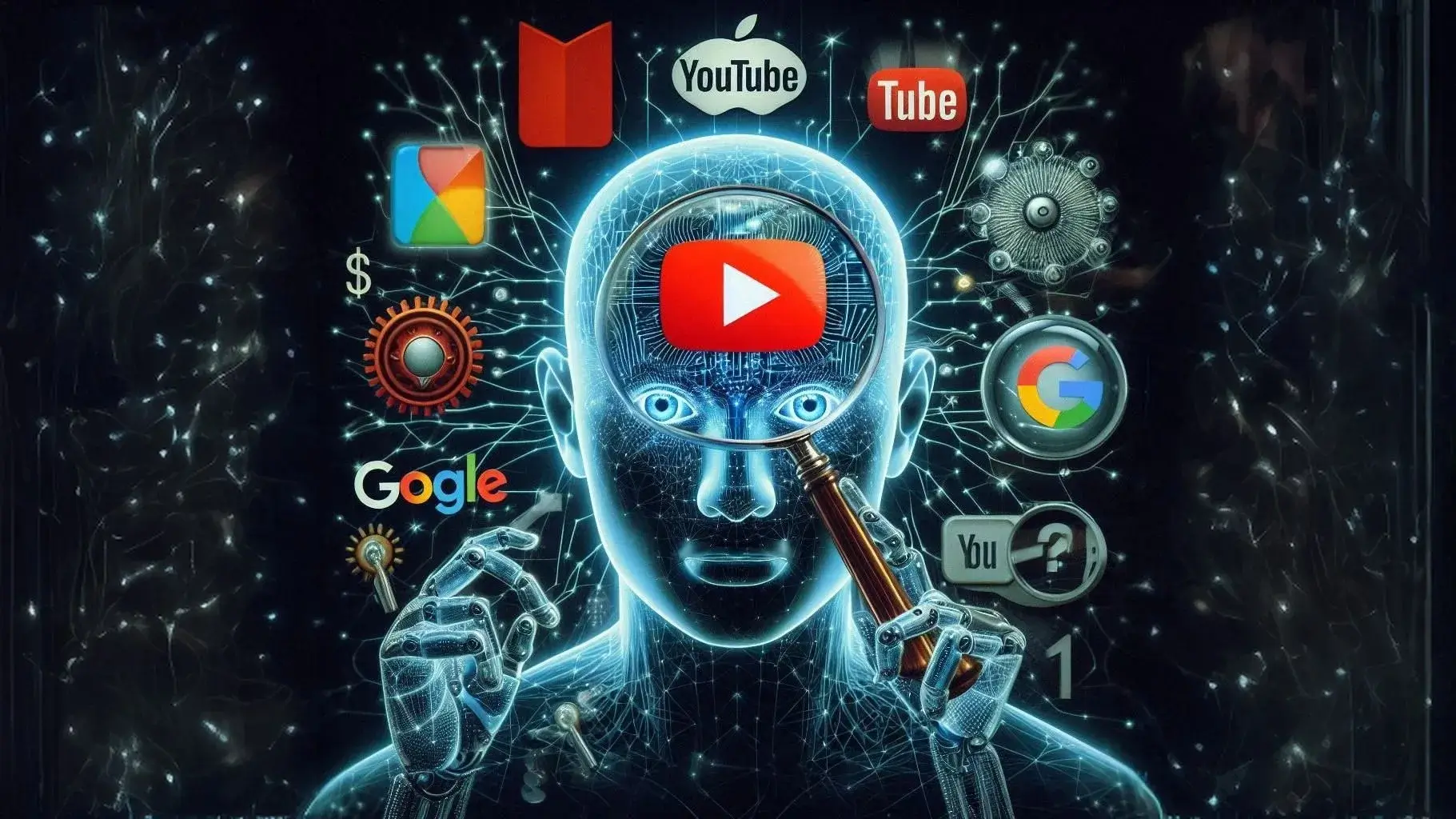
Ethically, the use of content without consent undermines the relationship between tech companies and content creators. It raises questions about how data is sourced and used in the tech industry, and whether current regulations are sufficient to protect creators’ rights.
In response to the allegations, Apple released a statement saying, “We are committed to using data responsibly and respecting the rights of content creators. We are reviewing our practices to ensure they align with our values and the expectations of the community.”
Despite this, the statement has done little to quell the growing discontent among creators and viewers alike. The incident has sparked a broader debate about the ethical use of data in AI development and the responsibilities of tech giants in safeguarding user content.

As the situation unfolds, it remains to be seen how Apple will address the concerns raised by content creators and the wider community. The tech industry is closely watching to see whether this controversy will lead to stricter regulations and more transparent practices in AI training.
For now, content creators like MKBHD are urging their peers to stay informed and advocate for their rights in the digital landscape. As Brownlee aptly put it, “We need to have a say in how our work is used, especially when it involves powerful technologies like AI.”