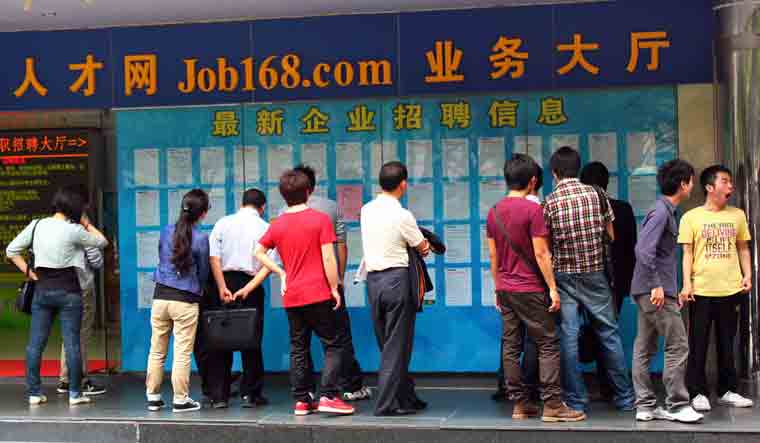
As unemployment rates in China continue to rise, a unique and somewhat controversial trend has emerged: Chinese youth are being paid to embrace their childhoods once again. As part of a growing phenomenon, young adults are opting to become ‘full-time children’ and are being financially compensated for it.
In the face of economic challenges and a competitive job market, many Chinese young adults are grappling with limited job opportunities and an uncertain future. This situation has given rise to a new cultural movement where some choose to retreat from the pressures of adulthood and responsibilities to reclaim the carefree days of their childhood.

Several Chinese companies and private initiatives have stepped in to support this trend, offering young people the opportunity to relive their childhoods and receive monetary benefits for doing so. This novel concept has sparked both curiosity and debate among the public.
The ‘full-time children’ are encouraged to engage in activities that were once typical of their early years, such as playing games, attending art and craft classes, exploring creative hobbies, and spending quality time with their families. Participants are also encouraged to spend time on self-improvement and personal development, with an emphasis on mental well-being and stress relief.
Critics argue that this trend may perpetuate a sense of escapism and hinder personal growth and career development. They express concerns that avoiding responsibilities and the job market could have adverse long-term effects on the participants’ professional lives and financial stability.
On the other hand, supporters of the movement highlight the positive impact on mental health and well-being that can result from taking a break from the relentless pressures of adulthood. They argue that the financial incentives provided by the companies sponsoring these ‘full-time children’ allow young people to support themselves while also experiencing the joys of carefree living.
One of the participants in this program, 25-year-old Zhang Wei, shared her experience, stating, “As an adult, I was constantly burdened with the fear of unemployment and societal expectations. Embracing my childhood again has given me a fresh perspective on life. I feel more relaxed and have developed a stronger bond with my family.”
While the trend remains relatively niche, it has gained traction, particularly among recent graduates and those who have faced challenges in securing stable employment. Chinese authorities are carefully observing the movement and its potential impact on society and the economy.
The Chinese government has expressed a cautious stance on the ‘full-time children’ trend, calling for a balance between personal fulfillment and contributing to the nation’s workforce and development. They emphasize the importance of tackling unemployment and creating an environment that fosters economic growth and job creation for the country’s youth.
As the debate continues, it is evident that the ‘full-time children’ trend reflects the broader challenges faced by Chinese youth in an evolving economic landscape. Striking a balance between personal happiness and societal responsibilities remains an ongoing struggle for many, and it will take a collaborative effort between the government, businesses, and individuals to find sustainable solutions for the future.