In the past decade, the global race to provide high-speed internet from space has intensified, driven by rapid advances in satellite technology and increasing demand for connectivity in underserved regions. Among the companies at the forefront of this transformation is Amazon, whose satellite internet project—recently rebranded as Amazon Leo—is shaping up to be one of the most ambitious telecommunications initiatives in the world. While SpaceX’s Starlink has already taken an early lead, Amazon Leo is positioning itself as a powerful challenger that could disrupt the satellite-internet market and help close the global digital divide.
The Vision Behind Amazon Leo
Amazon Leo is a low-Earth-orbit (LEO) satellite constellation designed to deliver fast, reliable broadband to communities with limited or no access to terrestrial infrastructure. The project’s mission aligns with Amazon’s long-standing focus on logistical and technological innovation: taking a large, complex challenge and solving it at a global scale.
LEO satellites orbit far closer to Earth than traditional geostationary satellites, which allows them to offer high-speed, low-latency connections suitable for streaming, video calls, cloud computing, and more. Amazon’s goal is to leverage this architecture to reduce the connectivity gap that keeps millions offline and to build a resilient communications backbone that can support both everyday users and mission-critical applications.
Building a Competitive Constellation
To compete with Starlink, Amazon Leo is deploying thousands of satellites arranged across multiple orbital shells. The emphasis is on performance, redundancy, and safety. By distributing satellites in coordinated layers, Amazon aims to build a constellation that can maintain global coverage, adapt to rising bandwidth demand, and sustain service even if individual satellites fail.
The company is also designing sophisticated ground infrastructure—gateway stations, network management hubs, and customer terminals—to ensure consistent connectivity. These components are essential because LEO systems require continuous handoffs between satellites as they move rapidly across the sky. Amazon’s investment in advanced phased-array antennas and intelligent routing technology is intended to make these transitions seamless, minimizing interruptions and maintaining a fast connection.
One of Amazon Leo’s standout features is its tiered terminal lineup. Instead of a one-size-fits-all approach, Amazon is creating devices suited to different needs—from compact units for basic home use to high-throughput terminals for enterprise applications such as remote work sites, maritime operations, or aviation. This range of options could become a major differentiator, allowing Amazon to serve multiple market segments without sacrificing performance or affordability.
Launch Strategy and Manufacturing Power
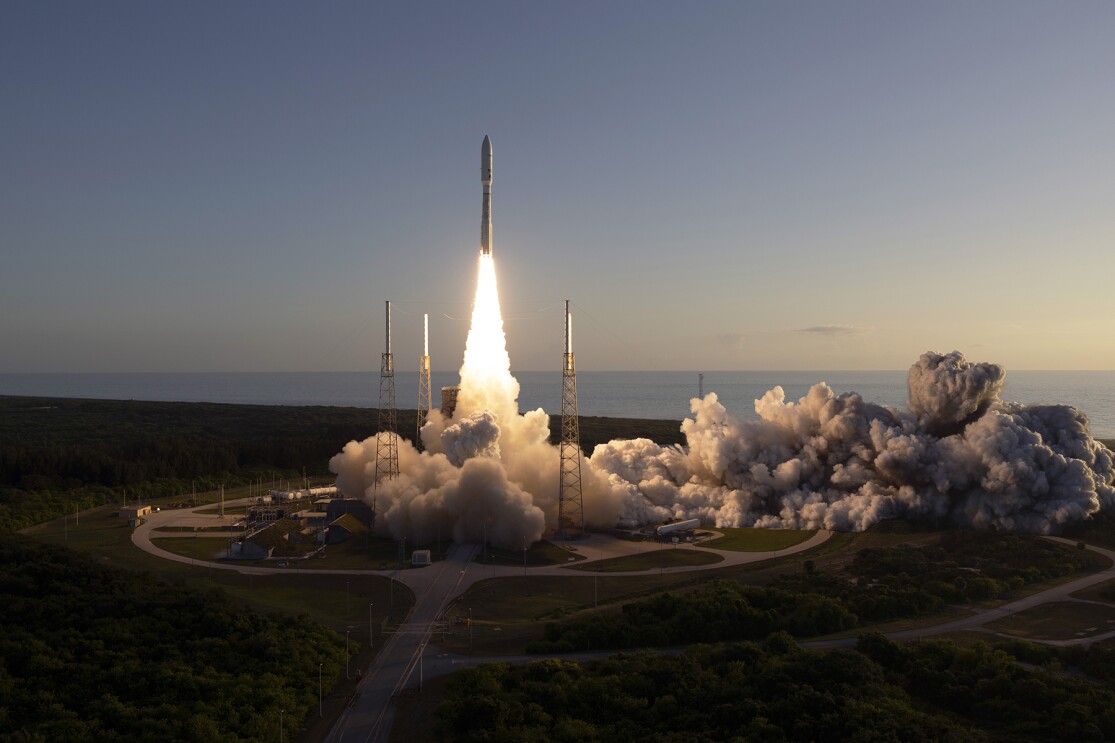
Competing with Starlink means deploying satellites rapidly, efficiently, and at scale. Amazon is leveraging its financial strength to secure launch contracts with several major providers. This multi-launch strategy reduces dependency on a single rocket family, lowers schedule risk, and increases the pace at which Amazon can put satellites into orbit.
In parallel, Amazon is building a high-volume satellite manufacturing pipeline capable of producing spacecraft at industrial scale. This approach mirrors the philosophy that made Amazon Web Services and its logistics network successful: control the supply chain, optimize cost, and iterate quickly. If Amazon can produce satellites rapidly and affordably while maintaining quality, it will be well-positioned to scale its constellation and compete head-to-head with Starlink’s already massive deployed fleet.
Where Amazon Might Outshine Starlink
1. Integration with Amazon’s Ecosystem
No competitor rivals the breadth of Amazon’s technology ecosystem. Leo’s biggest advantage may come from its seamless integration with Amazon Web Services (AWS). By linking its satellite network to cloud infrastructure, Amazon could enable edge computing in remote areas, reduce latency for global enterprises, and offer bundled services that combine connectivity with cloud storage, analytics, and AI.
2. Strategic Global Partnerships
Amazon is forming collaborations with telecom providers, governments, aviation companies, and broadcasters. These partnerships allow the company to tap into existing infrastructure and distribution channels, making it easier to deploy service in emerging markets and hard-to-reach regions.
3. Focus on Sustainability and Safety
A growing concern in the satellite industry is orbital congestion and space debris. Amazon Leo is placing a strong emphasis on responsible satellite operations—designing spacecraft that can actively deorbit, equipping them with collision-avoidance capabilities, and operating them in specific altitude bands to reduce long-term congestion. As regulators continue tightening oversight, this focus on safety could become a competitive advantage.
The Starlink Challenge
Despite Amazon’s strengths, Starlink remains a formidable competitor. Since launching its first operational satellites in 2019, Starlink has grown into the world’s largest satellite internet network, with global coverage and millions of customers. Its early-mover advantage is significant: the more satellites it launches, the better its performance becomes, thanks to increased capacity and improved coverage density.
Starlink also benefits from SpaceX’s reusable launch vehicles, which drastically reduce the cost of sending satellites into orbit. Amazon, despite its scale, does not currently have full vertical integration in launch services, which may affect long-term cost competitiveness unless efficiencies increase or partnerships evolve.
The Road Ahead
The coming years will test whether Amazon Leo can convert its ambitious vision into a global service capable of rivaling Starlink. Success will depend on disciplined execution, rapid scaling, regulatory approvals, and Amazon’s ability to offer pricing and performance that attract households, governments, and enterprises alike.
If Amazon achieves its goals, Leo could help revolutionize global telecommunications—bringing high-speed internet to remote villages, supporting emergency response after natural disasters, enabling rural cloud computing, and ensuring that connectivity is no longer a privilege tied to geography. In the race for global internet, competition between Amazon Leo and Starlink isn’t just a battle between tech giants—it’s a step toward a more connected world.