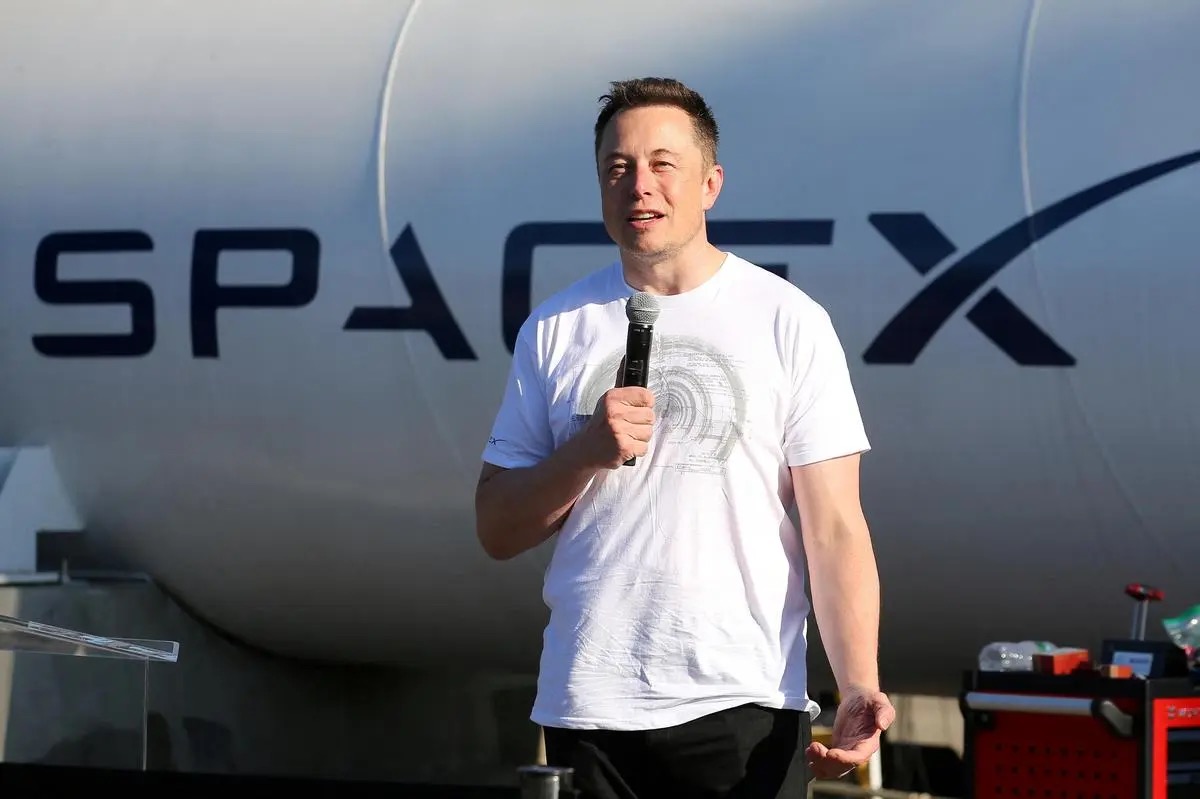
In a striking revelation that highlights the unconventional structure of one of the world’s most influential private companies, a recent filing has revealed that only Elon Musk has the authority to remove himself as CEO of SpaceX. The disclosure sheds light on the extraordinary level of control Musk holds over the aerospace company he founded, raising fresh questions about governance, accountability, and the evolving nature of leadership in privately held tech firms.
Unlike publicly traded corporations, where boards of directors typically hold the power to appoint or dismiss executives, SpaceX appears to operate under a framework that places ultimate authority in the hands of its founder. According to the filing, there is no formal mechanism by which investors or board members can force Musk out of his leadership role. Instead, any decision regarding his removal would have to be initiated by Musk himself.
This arrangement is rare, even in Silicon Valley, where founder-led companies often grant significant control to their creators through special voting rights or share structures. However, the level of autonomy outlined in the SpaceX filing goes beyond standard practices, effectively making Musk both the leader and the sole arbiter of his tenure at the company.
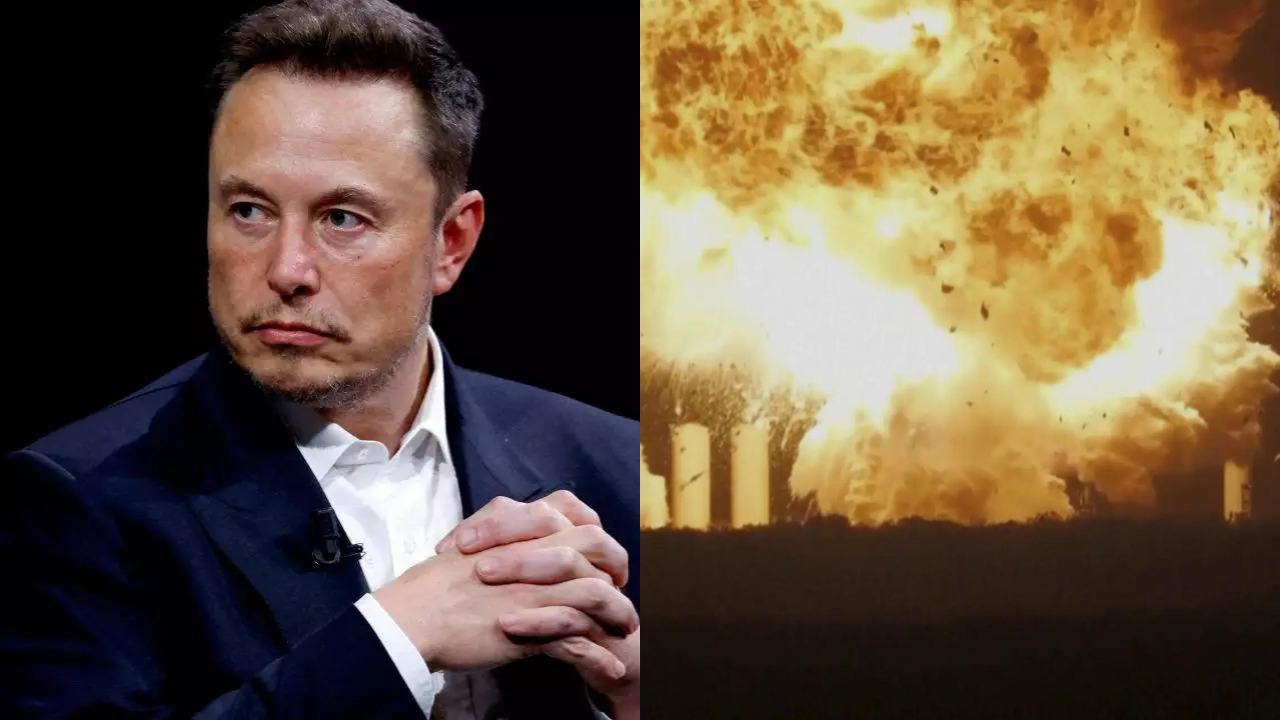
SpaceX, founded in 2002, has grown from a fledgling startup into a dominant force in the global aerospace industry. It has transformed space travel with innovations such as reusable rockets and has secured major contracts with government agencies and private clients. The company’s ambitious projects, including its Starship program aimed at enabling human missions to Mars, have positioned it at the forefront of space exploration.
Musk’s central role in these achievements is undeniable. As the driving force behind SpaceX’s vision and engineering direction, he has cultivated a culture of rapid innovation and high-risk, high-reward decision-making. Supporters argue that this concentrated leadership is precisely what has allowed the company to achieve breakthroughs that traditional aerospace firms struggled to deliver.
However, the governance structure revealed in the filing also raises concerns among corporate experts and observers. The absence of a clear mechanism to remove the CEO could pose risks, particularly as SpaceX’s operations become increasingly intertwined with critical infrastructure and global communications systems. The company’s Starlink satellite network, for instance, plays a growing role in providing internet access across remote regions and conflict zones.
Critics argue that such concentrated power in a single individual may limit oversight and reduce the ability of stakeholders to respond to potential challenges or controversies. In publicly traded companies, boards serve as a check on executive authority, ensuring that leadership decisions align with shareholder interests. Without such safeguards, the balance of power at SpaceX appears heavily tilted toward its founder.
At the same time, the private nature of SpaceX affords it a level of flexibility that public companies often lack. Free from the pressures of quarterly earnings reports and shareholder activism, the company can pursue long-term goals with fewer constraints. This independence has been a key factor in its ability to take bold risks and invest heavily in research and development.
For investors, the situation represents a unique trade-off. SpaceX has attracted billions of dollars in funding from institutional investors and private equity firms, many of whom are drawn to its growth potential and technological leadership. Yet, these investors must also accept a governance model that offers limited recourse in matters of executive control.
Legal analysts note that such arrangements are not unprecedented in private markets, where companies have greater latitude to design their governance structures. However, they emphasize the importance of transparency and informed consent. Investors who choose to back SpaceX do so with an understanding of the risks and benefits associated with Musk’s leadership.
The revelation also reflects a broader trend in the tech industry, where visionary founders often maintain tight control over their companies long after their initial success. This approach can foster innovation and maintain a clear strategic direction, but it can also blur the lines between personal authority and corporate governance.
Musk himself is no stranger to operating at the intersection of multiple high-profile ventures. In addition to SpaceX, he leads several other companies, each with its own ambitious goals and challenges. His leadership style—marked by bold घोषणाएँ, rapid execution, and a willingness to defy convention—has made him one of the most influential and polarizing figures in modern business.

As SpaceX continues to expand its reach, from launching satellites to developing spacecraft capable of interplanetary travel, the question of governance is likely to remain in focus. The company’s growing importance in both commercial and governmental sectors means that its internal structures will attract increasing scrutiny.
For now, the filing makes one thing clear: at SpaceX, ultimate authority rests firmly with Elon Musk. In a corporate world where leadership is often subject to checks and balances, SpaceX stands apart as a company where the founder’s control is not just significant—it is absolute.