In a notable shift that reflects changing consumer preferences, Mercedes-Benz has confirmed it will reintroduce physical buttons in its future vehicle interiors, while continuing to prioritize large digital displays as a core feature of its design philosophy. The move comes after years of pushing touch-based interfaces to the forefront, and signals a recalibration rather than a reversal of its technology-first approach.
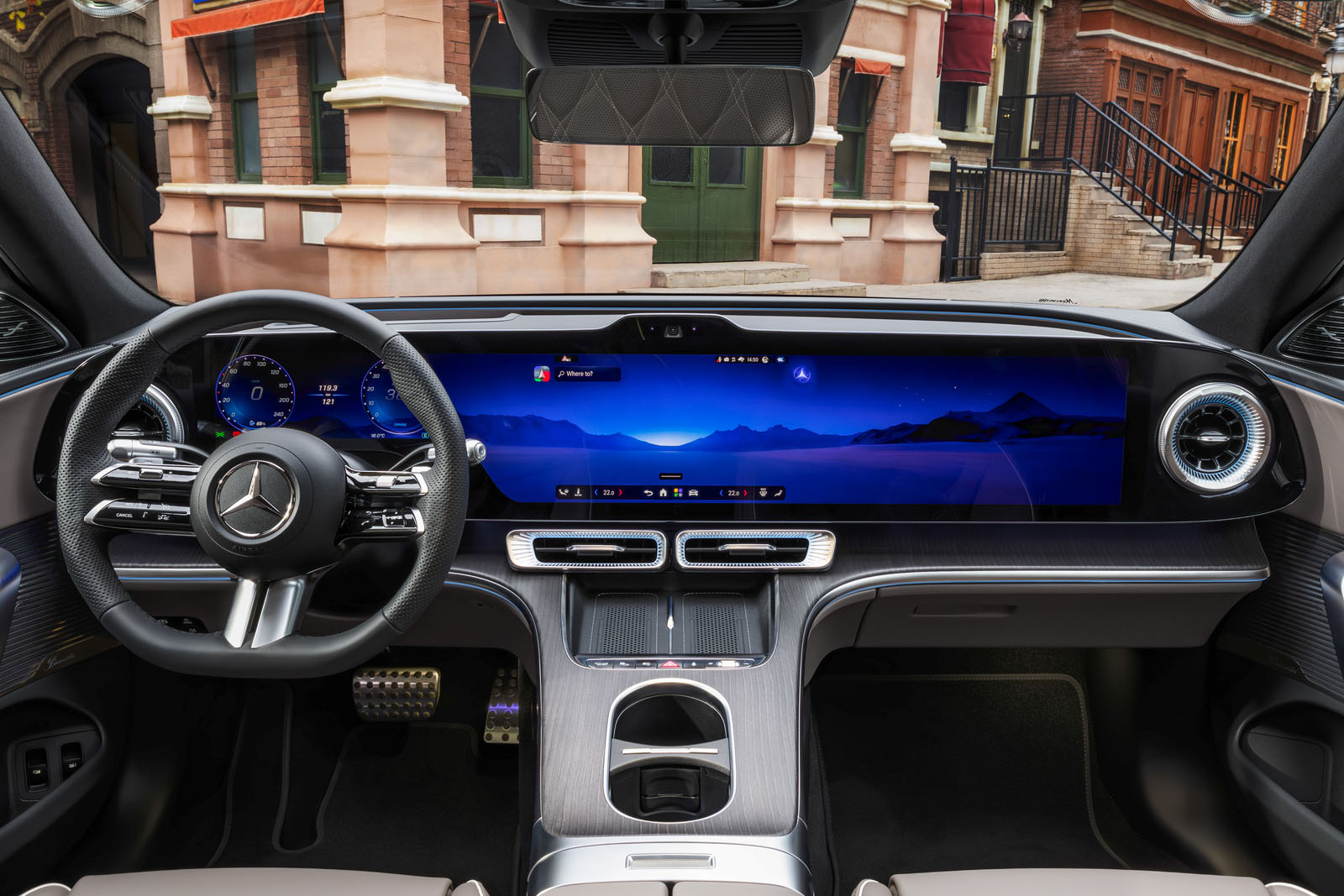
Over the last decade, Mercedes-Benz has positioned itself as a leader in automotive digitalization. Its cabins evolved into sleek, screen-dominated environments, with systems like MBUX (Mercedes-Benz User Experience) transforming dashboards into interactive control centers. The introduction of the Hyperscreen—an expansive, curved glass panel stretching across the width of the cabin—was widely seen as a bold statement about the future of luxury mobility. However, as innovation surged forward, so did concerns about usability.
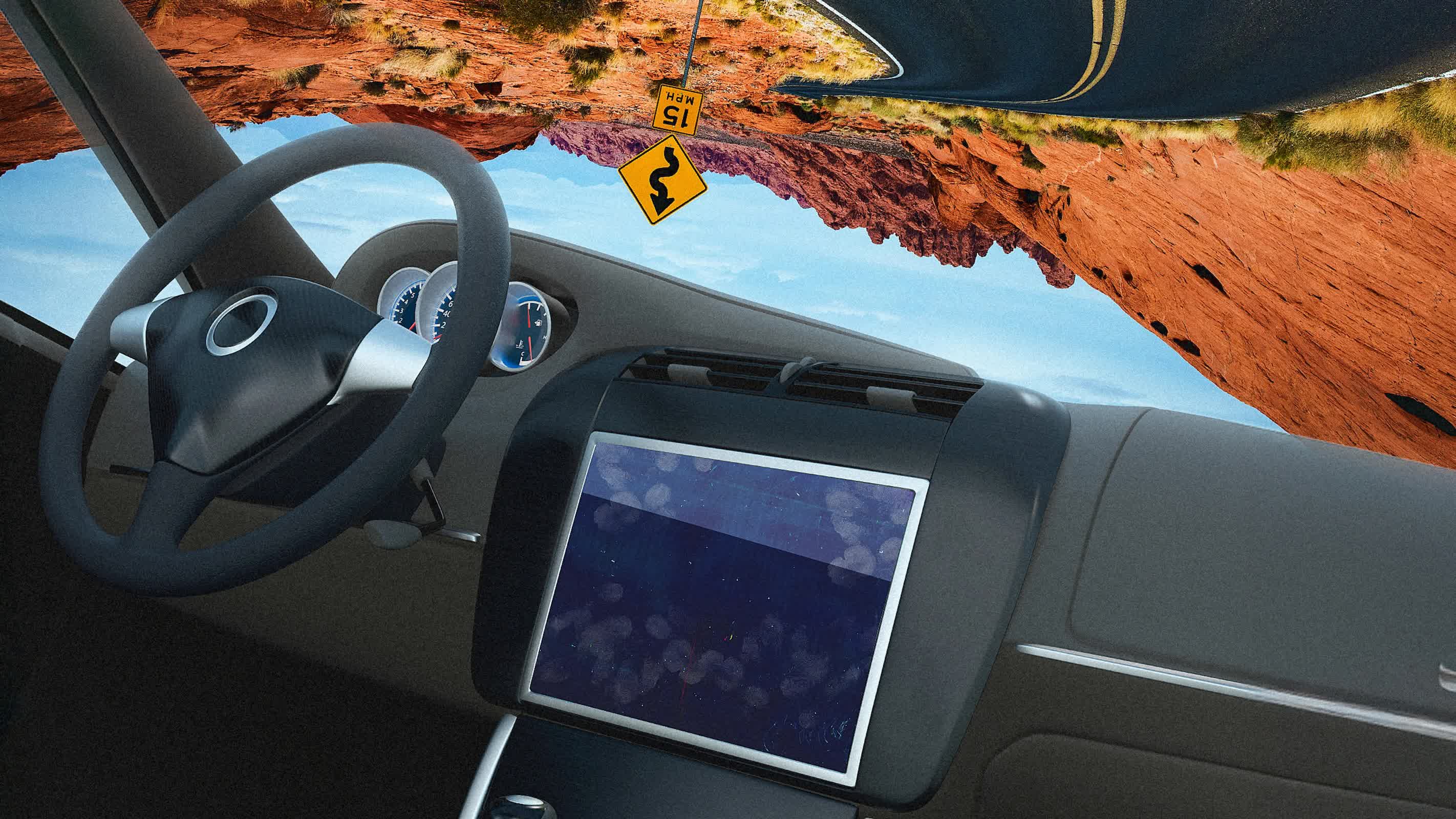
Drivers and industry observers alike began to question whether the near-total reliance on touchscreens had gone too far. Basic functions such as adjusting climate settings or audio volume often required navigating menus, diverting attention away from the road. In real-world driving conditions, the lack of tactile feedback made it harder for users to operate controls intuitively, particularly at speed or in complex traffic situations.
Acknowledging this feedback, Mercedes-Benz has now decided to restore a degree of physical interaction within its vehicles. Company representatives have indicated that essential and frequently used controls will once again be accessible through dedicated buttons or switches. These are expected to include functions that demand quick, instinctive operation—areas where physical controls still outperform digital ones.
The decision underscores a growing recognition within the automotive industry: while digital interfaces offer unmatched flexibility and customization, they cannot entirely replace the reliability and immediacy of physical controls. Buttons allow drivers to make adjustments without taking their eyes off the road, providing a level of safety and convenience that touchscreens alone struggle to replicate.
Despite this shift, Mercedes-Benz is not stepping back from its commitment to large displays. Executives have made it clear that screens remain “indispensable” to the modern driving experience. From advanced navigation systems and real-time vehicle data to entertainment and connectivity features, large screens serve as the central hub for a wide array of functions that define contemporary luxury vehicles.
The company argues that these displays are essential not only for functionality but also for delivering the premium, high-tech aesthetic that customers expect. In a competitive luxury market, digital sophistication has become a key differentiator, and Mercedes-Benz is determined to maintain its edge. Features such as augmented reality navigation, voice-controlled assistants, and personalized user profiles rely heavily on expansive screen real estate.
Industry analysts view the move as part of a broader trend among automakers. Several manufacturers that initially embraced fully touch-based designs are now reintroducing physical elements in response to customer feedback and safety considerations. Studies have suggested that touchscreen-heavy interfaces can increase cognitive load for drivers, leading to slower reaction times and reduced situational awareness.
Regulatory pressure is also beginning to influence design decisions. Safety bodies in various regions are paying closer attention to in-car interfaces, emphasizing the importance of minimizing driver distraction. By bringing back buttons for critical functions, Mercedes-Benz aligns itself with these evolving expectations while still pushing technological boundaries.
Designing this hybrid approach presents its own challenges. Integrating physical controls into a predominantly digital environment requires careful planning to ensure the interior remains cohesive and uncluttered. Mercedes-Benz designers are reportedly focusing on minimalist, high-quality buttons that blend seamlessly with the surrounding materials and screens. In some cases, haptic feedback technologies may be used to bridge the gap between physical and digital interaction.
For consumers, the change is likely to be a welcome one. While many appreciate the innovation and visual appeal of large screens, there is a growing desire for practicality and ease of use. The reintroduction of buttons suggests that Mercedes-Benz is listening to its customers and willing to adapt its approach without compromising its broader vision.
Ultimately, the company’s strategy highlights an important realization: the future of automotive design is not about choosing between analog and digital, but about combining them in a way that enhances the overall driving experience. By pairing the clarity and capability of large screens with the simplicity and reliability of physical controls, Mercedes-Benz aims to deliver a more balanced and intuitive interior.
As the next generation of models begins to reflect this philosophy, the industry will be watching closely. If successful, Mercedes-Benz could set a new standard for how technology and usability coexist in modern vehicles—proving that even in a digital age, sometimes the simplest solutions remain the most effective.