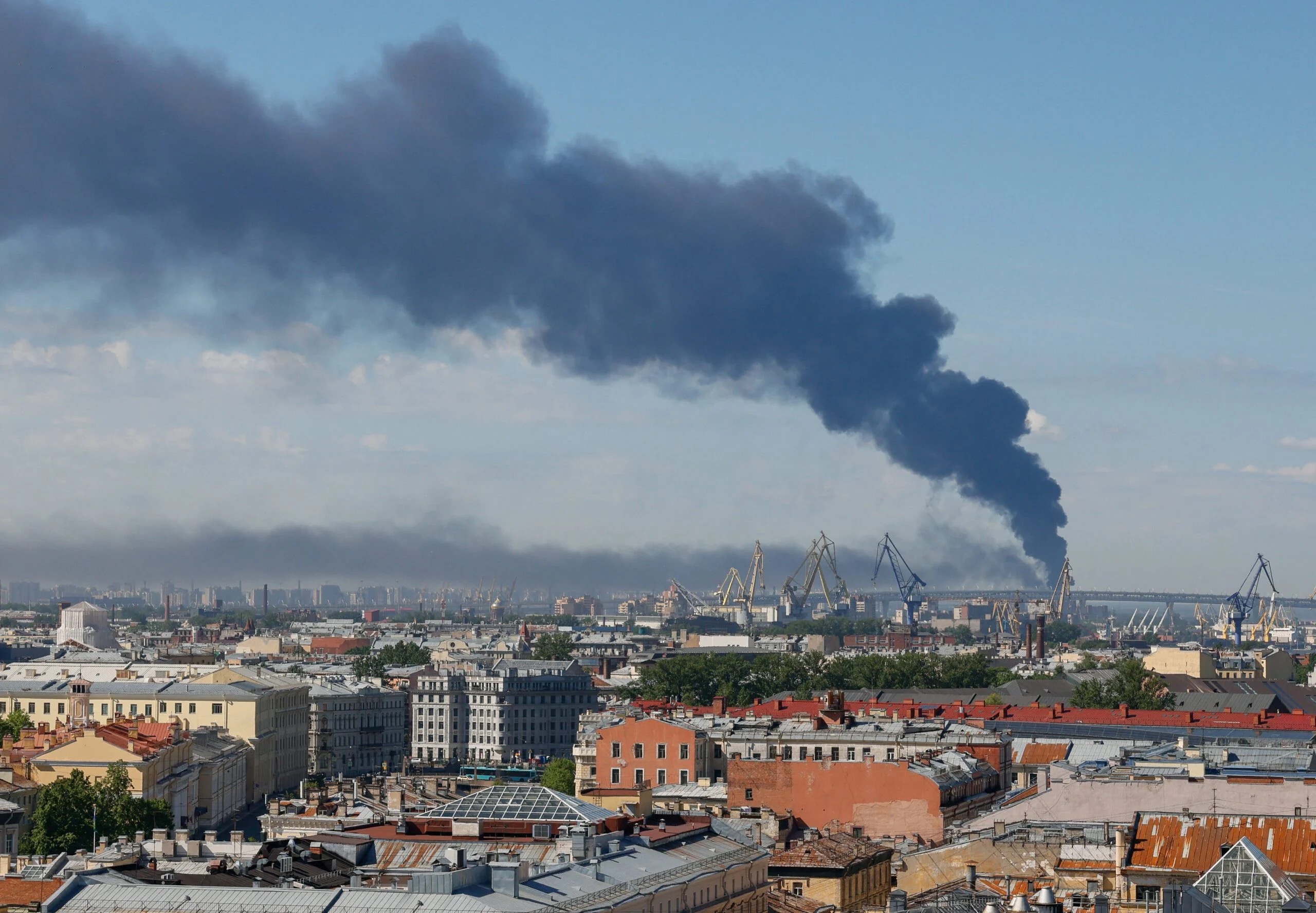
Russia has announced a temporary ban on diesel exports in an effort to safeguard domestic fuel supplies following a series of targeted Ukrainian drone strikes on the country’s energy infrastructure. The move underscores the growing impact of the conflict on Russia’s energy sector, as repeated attacks on oil refineries have disrupted production and raised concerns about fuel availability across the country.
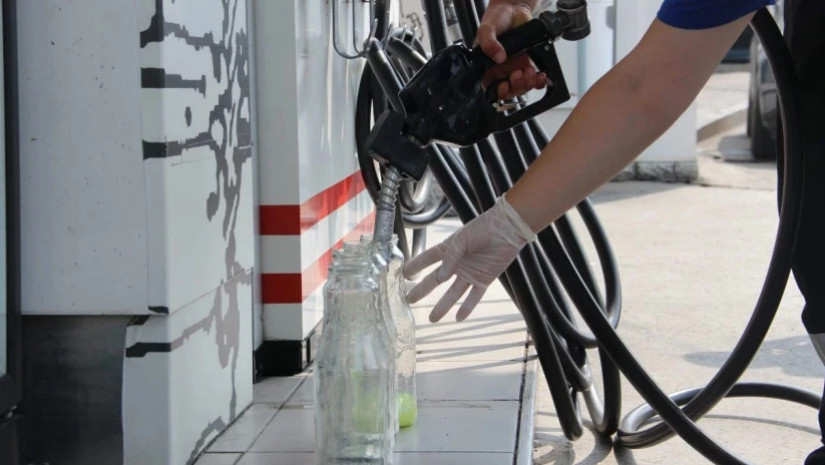
The export restrictions are aimed at ensuring that sufficient diesel remains available for domestic consumption, particularly during a period of heightened seasonal demand. Diesel is a critical fuel for Russia’s transportation, agriculture, mining, manufacturing, and construction sectors, making uninterrupted supply essential for maintaining economic activity. Officials have indicated that the measure is intended to stabilize the domestic market and prevent shortages or sharp increases in fuel prices.
Over the past year, Ukraine has intensified its long-range drone campaign targeting Russian oil refineries, fuel depots, and other strategic energy facilities. These attacks are designed to disrupt Russia’s refining capacity and complicate the logistics that support both its economy and military operations. While many of the damaged facilities have resumed operations after repairs, repeated strikes have reduced efficiency at several refineries and created uncertainty over fuel production levels.
Russia remains one of the world’s largest producers and exporters of diesel fuel. Before the latest restrictions, the country supplied diesel to numerous markets across Asia, Africa, Latin America, and parts of the Middle East. Since Western sanctions reshaped global energy trade following the outbreak of the war in Ukraine, Russia has redirected much of its fuel exports toward non-Western markets. A temporary suspension of diesel exports is therefore expected to have implications not only for domestic consumers but also for international buyers who rely on Russian fuel.
Government officials have emphasized that maintaining domestic energy security is the primary objective of the export ban. Authorities have stated that fuel requirements for farmers, transport operators, industrial manufacturers, and public services must be met before exports can resume. The decision also reflects concerns that disruptions in refinery operations could lead to localized shortages if exports continue at previous levels.
Agriculture is among the sectors most dependent on diesel fuel, especially during harvesting and planting seasons. Heavy agricultural machinery, irrigation equipment, and transport vehicles all rely on diesel to operate efficiently. Any interruption in fuel supplies during these critical periods could affect agricultural productivity and increase costs for farmers. By retaining larger volumes of diesel within the country, the government hopes to avoid disruptions that could impact food production and rural economies.
The transport and logistics industry is another major consumer of diesel. Trucks carry the majority of goods across Russia’s vast territory, making fuel availability essential for supply chains. Stable diesel supplies are also necessary for rail operations, public transportation, and commercial freight services. Officials believe the export restrictions will help prevent price volatility and ensure that transport companies continue to operate without significant interruptions.
The decision follows a pattern of similar interventions by the Russian government in recent years. Whenever domestic fuel markets have faced pressure due to refinery maintenance, seasonal demand, or unexpected disruptions, authorities have imposed temporary export controls to prioritize local consumers. These measures are generally lifted once fuel production stabilizes and inventories return to comfortable levels.
Energy analysts say the latest restrictions illustrate how the conflict has expanded beyond the battlefield to affect critical infrastructure and economic stability. While oil production has remained relatively resilient, refining operations have become increasingly vulnerable to drone attacks. Even temporary shutdowns at major refineries can reduce fuel output significantly, forcing authorities to manage supplies more carefully.
International energy markets have reacted cautiously to the announcement. Diesel is one of the most widely used refined petroleum products in the global economy, and any reduction in exports from a major supplier has the potential to tighten supplies elsewhere. Although many countries have diversified their fuel imports since sanctions altered global trade patterns, Russian diesel continues to play an important role in several regional markets.
Commodity traders are closely monitoring the duration of the export restrictions. A short-term suspension may have only a limited impact on global fuel prices, particularly if refinery repairs progress quickly. However, an extended ban could contribute to higher diesel prices in international markets, especially if seasonal demand remains strong in key importing countries.
The drone strikes have also prompted Russia to strengthen security around its energy infrastructure. Air defense systems have reportedly been reinforced near major refineries, fuel storage facilities, and pipeline networks. Energy companies are investing in additional protective measures while accelerating repair work at damaged sites to restore full production capacity as quickly as possible.
Despite these efforts, experts believe that protecting such a vast network of industrial facilities presents a significant challenge. The growing range and sophistication of drone technology have made energy infrastructure an increasingly vulnerable target in modern warfare. As a result, governments and energy companies are placing greater emphasis on resilience, rapid repairs, and contingency planning.
For Russia, maintaining stable fuel supplies has become not only an economic necessity but also a strategic priority. Reliable access to diesel supports industrial production, commercial transportation, agricultural output, and military logistics. Any prolonged disruption could have broader consequences for economic performance and public confidence.
The export ban is expected to remain in place until authorities are satisfied that refinery operations have stabilized and domestic inventories are sufficient to meet demand. Officials have not provided a specific timeline for lifting the restrictions, indicating that the decision will depend on production levels and market conditions.
As the conflict between Russia and Ukraine continues, attacks on energy infrastructure are likely to remain a defining feature of the war. The latest export restrictions highlight the interconnected nature of energy security, economic policy, and geopolitical conflict. They also demonstrate how developments on the battlefield can quickly influence global commodity markets, affecting fuel availability and prices far beyond the region.
With uncertainty surrounding the duration of the restrictions and the ongoing risk of further attacks, energy markets will continue to watch developments closely. The situation underscores the critical role of fuel supply chains in both national security and the global economy, where disruptions in one major producing country can have ripple effects across international markets.