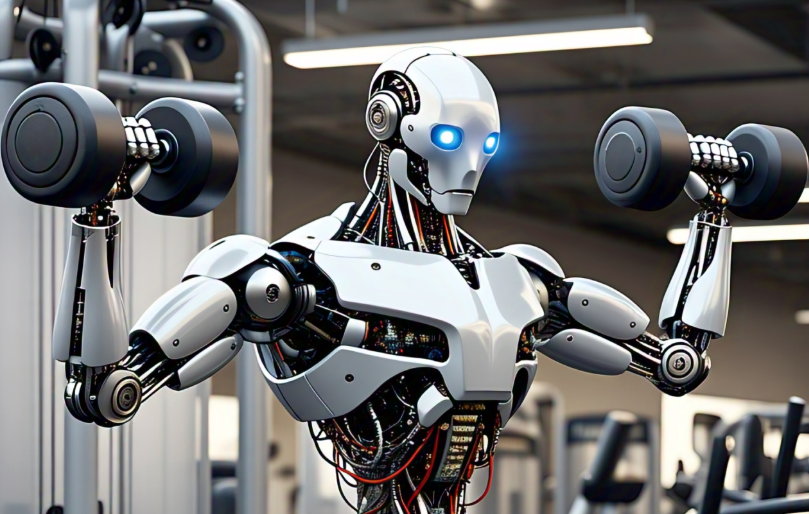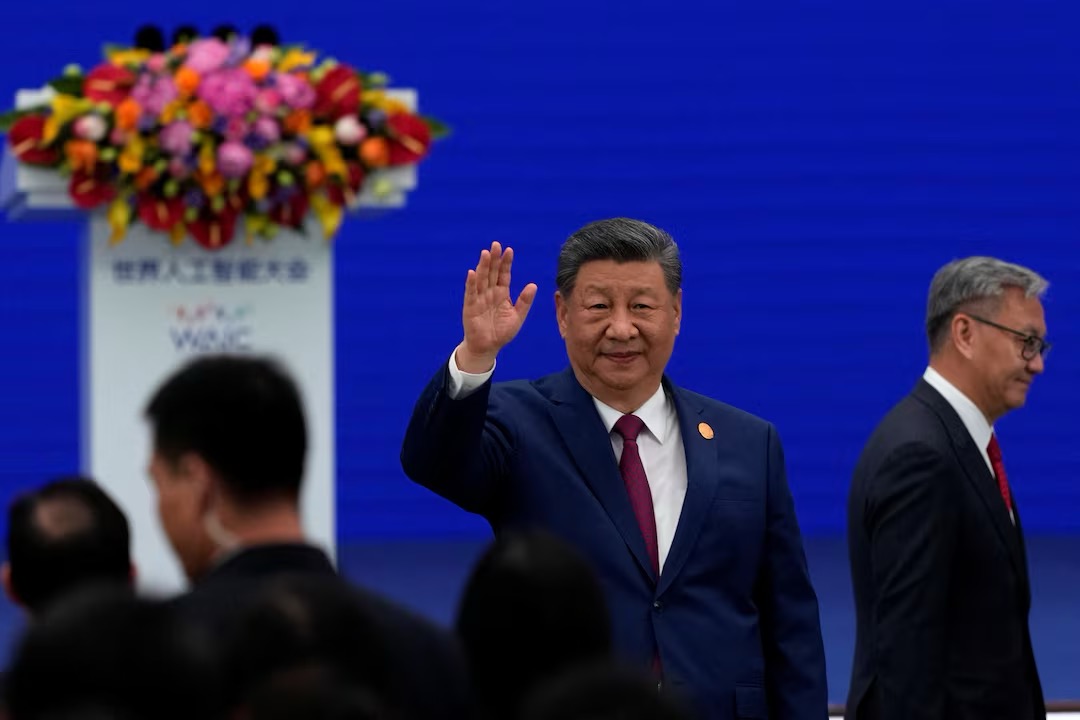
Chinese President Xi Jinping has called for China to assume a leading role in shaping the future of artificial intelligence, outlining a vision in which the country plays a central part in defining global AI governance, innovation, and technological standards. His remarks come as competition between China and the United States over artificial intelligence intensifies, with both nations seeking to establish themselves as global leaders in one of the most transformative technologies of the century.
Speaking on China’s AI ambitions, Xi emphasized the importance of accelerating innovation, strengthening domestic technological capabilities, and promoting international cooperation under a framework that he said should benefit all countries. He argued that artificial intelligence has become a strategic technology that will influence economic growth, industrial modernization, scientific research, and national security, making it essential for China to play a larger role in its development and governance.
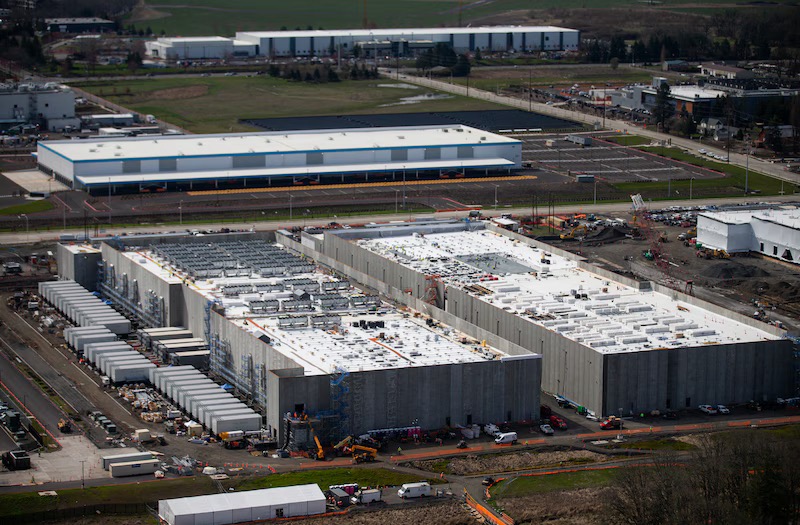
Xi’s comments reflect China’s broader objective of becoming a global technology powerhouse while reducing reliance on foreign technologies. Over the past several years, Beijing has invested heavily in artificial intelligence research, semiconductor manufacturing, cloud computing, robotics, and advanced digital infrastructure as part of its long-term strategy to achieve technological self-reliance.
Artificial intelligence has emerged as a key battleground in the broader geopolitical rivalry between China and the United States. Both countries have made AI development a national priority, recognizing its potential to transform industries ranging from healthcare and education to manufacturing, finance, transportation, and defense. As AI capabilities continue to expand, leadership in the field is increasingly viewed as a measure of economic strength and strategic influence.
Xi stressed that China must strengthen its independent innovation capabilities by increasing investment in research institutions, universities, technology companies, and AI startups. He called for greater collaboration between government agencies, academic researchers, and private enterprises to accelerate breakthroughs in foundational AI technologies and ensure that China remains competitive in the rapidly evolving global landscape.
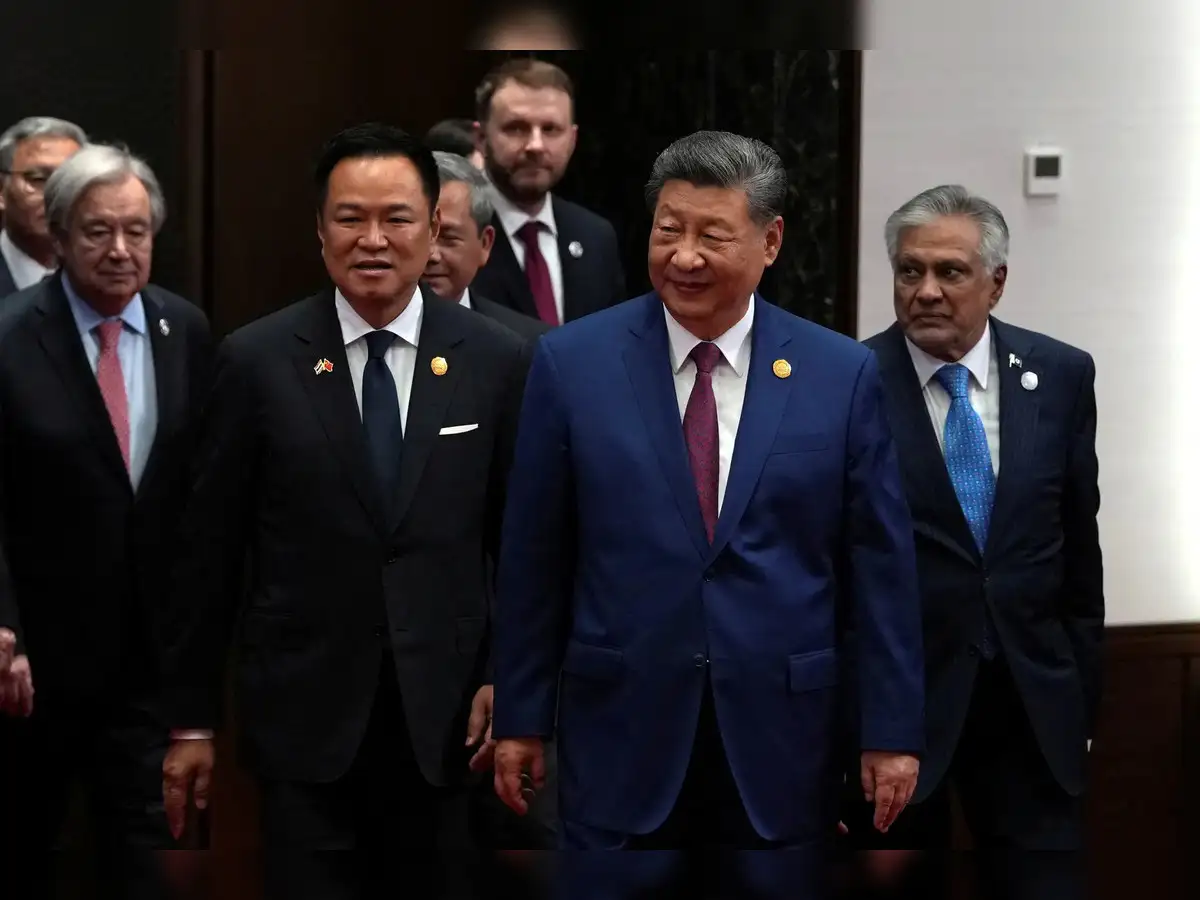
The Chinese leader also highlighted the importance of developing a complete domestic AI ecosystem. This includes strengthening computing infrastructure, improving access to advanced semiconductor chips, expanding data resources, and cultivating highly skilled talent capable of driving future innovation. Beijing has increasingly focused on these areas as international export restrictions have limited China’s access to certain advanced technologies developed abroad.
China’s push for AI leadership comes amid ongoing efforts to overcome challenges posed by restrictions on advanced semiconductor exports. These measures have encouraged Chinese companies to invest more aggressively in developing domestic alternatives, including AI chips, manufacturing equipment, and software platforms. Government support has also expanded for companies working on large language models and generative AI technologies that can compete with products developed in the United States.
Beyond technological development, Xi emphasized the importance of establishing international rules for artificial intelligence that reflect broader global participation. He argued that AI governance should not be determined solely by a small group of countries but should instead involve greater international cooperation and shared responsibility.
China has increasingly presented itself as a supporter of multilateral approaches to AI governance. Chinese officials have argued that artificial intelligence should be developed in ways that promote economic development, reduce inequality, and serve the interests of all nations rather than becoming a source of technological division. Beijing has also called for greater collaboration on AI standards, ethics, safety, and regulatory frameworks through international organizations.
Xi’s remarks suggest that China intends to compete not only in technological innovation but also in shaping the policies and institutions that will govern AI globally. As governments around the world work to establish regulations covering transparency, accountability, privacy, copyright, cybersecurity, and safety, China is seeking to influence those discussions and position itself as a major contributor to international AI governance.
The Chinese government’s strategy also aligns with its broader efforts to strengthen partnerships with developing countries. Many emerging economies are increasingly adopting AI technologies to improve healthcare, education, agriculture, public administration, and industrial productivity. By promoting cooperation in AI research, infrastructure development, and digital connectivity, China aims to deepen its technological partnerships across Asia, Africa, Latin America, and other regions.
Artificial intelligence has become a major driver of economic transformation worldwide. Businesses are integrating AI into customer service, logistics, financial services, manufacturing, and scientific research to improve efficiency and create new opportunities. Governments are similarly investing in AI to enhance public services, strengthen cybersecurity, and improve decision-making through data-driven technologies.
However, the rapid advancement of AI has also raised concerns about ethics, privacy, misinformation, employment, and national security. Policymakers around the world are working to balance innovation with safeguards that protect individuals and society from potential risks associated with increasingly powerful AI systems.
China has sought to portray its AI strategy as one that combines technological progress with regulatory oversight. The country has introduced rules governing generative AI services, content moderation, and algorithmic recommendations while continuing to encourage domestic innovation. Officials have argued that regulation and technological development should advance together to ensure that AI remains safe and beneficial.
Meanwhile, the United States continues to maintain significant advantages in frontier AI research through leading technology companies, universities, and research laboratories. American firms have developed many of the world’s most advanced foundation models and continue to attract substantial investment in AI infrastructure and talent. Competition between the two countries has expanded beyond research into areas such as semiconductor manufacturing, cloud computing, quantum technologies, and digital infrastructure.
Despite the rivalry, experts note that artificial intelligence remains a global technology requiring international cooperation. Challenges such as AI safety, cybersecurity, cross-border regulation, and ethical governance cannot be addressed by individual countries alone. As AI systems become increasingly interconnected, collaboration between governments, industry, and international organizations will be essential to establish common standards and reduce potential risks.
Xi’s renewed emphasis on AI leadership highlights China’s determination to play a defining role in the next phase of technological development. By investing in innovation, promoting domestic self-reliance, and advocating for a greater voice in global AI governance, Beijing is seeking to position itself at the forefront of the artificial intelligence revolution.
As competition between China and the United States continues to intensify, artificial intelligence is emerging as one of the most significant arenas of geopolitical and economic rivalry. The outcome of this competition will likely shape not only the future of technology but also the international balance of power, global economic growth, and the rules governing one of the most influential technologies of the modern era.