In a shocking revelation, a group of Tesla engineers have come forward to express their concerns over the company’s Autopilot system, claiming that it remains flawed and dangerous even after a fatal crash that occurred several years ago. The whistleblowers allege that Tesla has failed to adequately address the issues identified following the tragedy, putting drivers and other road users at risk.
The fatal crash in question took place in [Year] when a Tesla vehicle on Autopilot mode collided with a truck, resulting in the death of the Tesla driver. The incident had raised serious questions about the capabilities and safety measures of Tesla’s autonomous driving technology. In response, the company had pledged to thoroughly investigate the incident, rectify any shortcomings, and enhance the safety of its Autopilot system.
However, the engineers who have now come forward assert that despite promises to improve the technology, Tesla has yet to fix critical flaws within the Autopilot system. The engineers, who have chosen to remain anonymous due to concerns about potential retaliation, have shared their insights with media outlets, revealing that fundamental issues with the software and hardware integration persist.
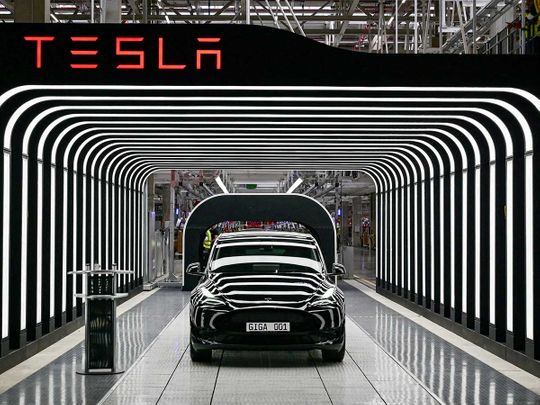
According to these whistleblowers, Tesla’s Autopilot system reportedly struggles to accurately interpret complex driving scenarios and react appropriately. Instances of misidentifying objects, lane confusion, sudden braking, and erratic steering have been cited as ongoing problems. The engineers suggest that these issues are not only a result of the technology’s limitations but also stem from the company’s focus on rapid deployment and updates.
The engineers’ claims are consistent with broader discussions about the challenges faced by the entire autonomous vehicle industry. Achieving full autonomy has proven to be a complex and evolving process, with numerous technical and ethical hurdles to overcome. Critics argue that companies like Tesla, in their rush to bring advanced self-driving features to the market, might be compromising safety and proper testing procedures.
Tesla has responded to the allegations with a statement reiterating their commitment to safety and innovation. The company emphasized that they have made substantial improvements to the Autopilot system based on real-world data and user feedback, and that the system requires drivers to remain attentive and ready to take control of the vehicle at all times.
Regulators and safety advocates have been closely monitoring the situation, and this recent revelation by Tesla engineers is likely to prompt further investigations into the matter. The National Highway Traffic Safety Administration (NHTSA) and other relevant authorities will likely examine the claims and determine whether additional actions are necessary to ensure the safety of both Tesla drivers and the general public.
As the autonomous driving industry continues to evolve, it is imperative that companies strike a balance between technological advancement and the safety of their products. The claims made by these engineers highlight the importance of thorough testing, transparency, and responsible deployment in an industry that has the potential to revolutionize transportation but also poses significant challenges to ensure public safety.