Tesla may be preparing to take another step toward deeper smartphone integration, with signs suggesting the electric vehicle maker could soon support Apple’s Car Keys feature. While the company has not made any official announcement, recent developments have fueled speculation that Tesla is moving beyond its existing app-based phone key system toward native digital wallet integration.
Currently, Tesla owners can use their smartphones as keys through the Tesla app, which relies on Bluetooth connectivity to lock, unlock, and start the vehicle. This system has been widely praised for convenience but has also faced criticism for occasional connectivity issues, delays, and dependence on the Tesla app itself. Apple Car Keys, by contrast, allow vehicles to be accessed directly through Apple Wallet, offering a more seamless and system-level experience for iPhone and Apple Watch users.
If Tesla adopts Apple Car Keys, owners would be able to store their vehicle key securely in Apple Wallet, eliminating the need to open a separate app. Apple’s system also supports features such as Express Mode, which allows users to unlock and start their car even if their iPhone battery is critically low. This could significantly improve reliability and ease of use, especially in situations where Bluetooth performance is inconsistent.
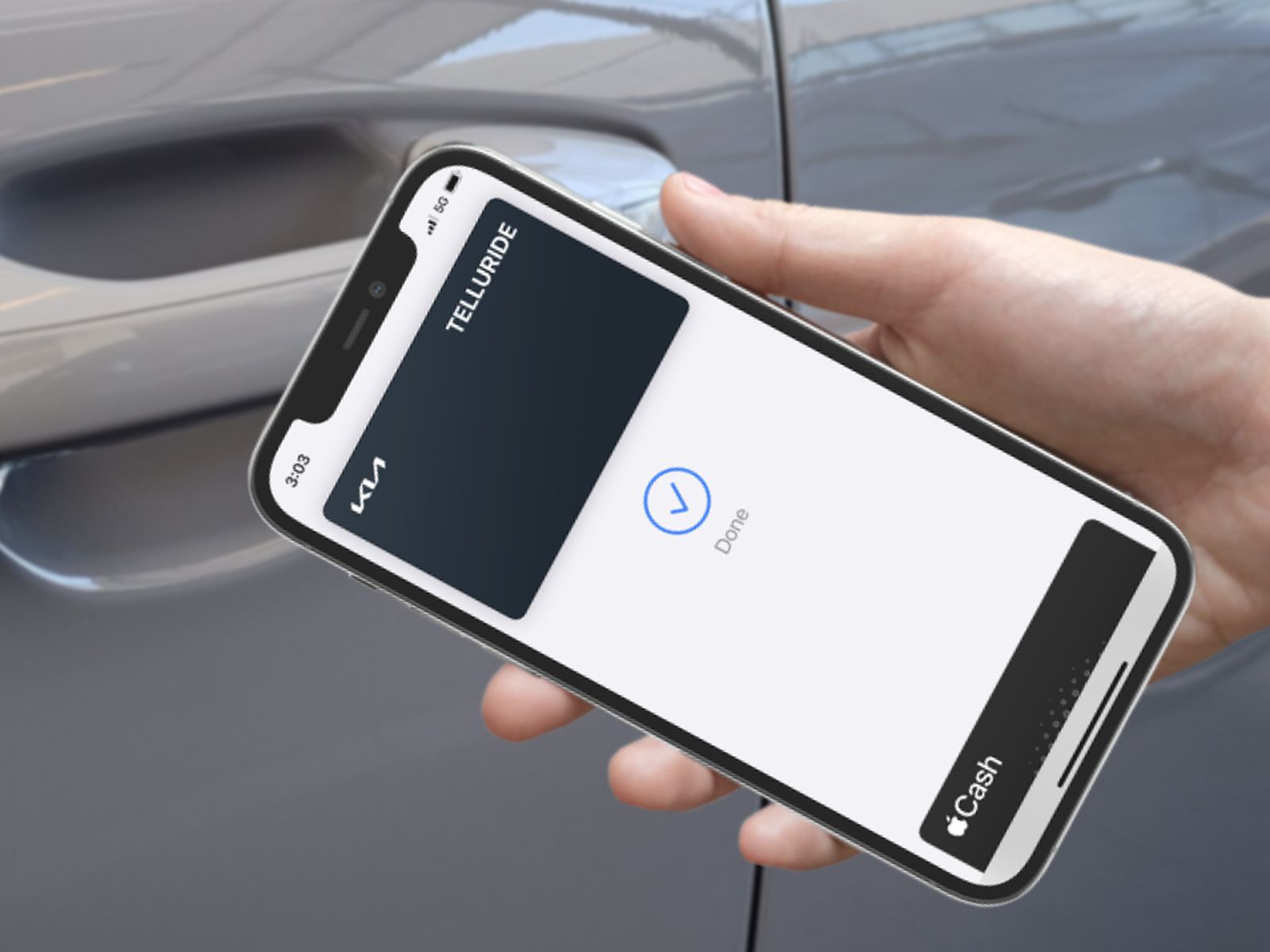
Industry observers believe Tesla’s interest in native digital keys aligns with a broader shift in the automotive sector. Many traditional automakers have already embraced digital wallet car keys, viewing them as a natural extension of connected vehicle ecosystems. These systems often rely on advanced technologies such as NFC and ultra-wideband, enabling precise, secure communication between the car and the smartphone. For a brand like Tesla, which positions itself as a technology-first automaker, support for Apple Car Keys would appear to be a logical evolution.
Another factor driving speculation is Tesla’s increasing openness to platform-specific features in different markets. The company has historically customized its software offerings to suit regional ecosystems, particularly in markets where certain smartphone platforms dominate. This suggests Tesla could roll out native digital wallet support gradually, testing the feature in select regions before expanding it globally. Such a strategy would allow the company to gather feedback and ensure compatibility across its diverse vehicle lineup.
Support for Apple Car Keys would also mark a subtle shift in Tesla’s long-standing preference for tightly controlling its user experience. Tesla has traditionally favored proprietary solutions, from its in-house software to its vertically integrated hardware approach. Integrating Apple Wallet would mean relying on an external ecosystem, but it would also signal Tesla’s willingness to prioritize user convenience over exclusivity. For many Tesla owners who already live within Apple’s ecosystem, this integration would be seen as a welcome move rather than a compromise.
From a security perspective, Apple Car Keys could offer additional reassurance. Apple emphasizes end-to-end encryption and secure hardware elements within its devices, which may appeal to users concerned about digital vehicle access. While Tesla’s current system is generally regarded as secure, adding support for Apple’s wallet-based keys could provide an extra layer of trust for customers who prefer standardized, widely adopted security frameworks.
The potential integration also raises questions about Tesla’s broader digital strategy. Apple Car Keys are part of a growing trend in which smartphones increasingly replace physical items such as wallets, tickets, and now car keys. By supporting this feature, Tesla would further reinforce the idea of the vehicle as an extension of the user’s digital life. This aligns closely with Tesla’s vision of cars as software-defined products that improve through updates rather than traditional mechanical upgrades.
However, challenges remain. Tesla vehicles vary widely in hardware capabilities depending on model year and region, and not all cars may support the necessary technologies for Apple Car Keys without hardware changes. This could result in a phased rollout limited to newer models, potentially frustrating owners of older vehicles. Tesla would need to clearly communicate which cars are eligible and how the feature would be enabled.
There is also the question of cross-platform parity. Tesla serves a global customer base that includes both iOS and Android users. Supporting Apple Car Keys may increase pressure on Tesla to offer equivalent functionality for other digital wallets to avoid alienating non-Apple customers. Balancing these competing ecosystems while maintaining a consistent user experience could be a complex task.
Despite these uncertainties, the possibility of Apple Car Keys support has generated excitement among Tesla enthusiasts. For many, it represents a natural next step in making Tesla ownership more seamless and intuitive. As vehicles become increasingly connected and software-driven, features like digital wallet keys are likely to become standard rather than optional.
Until Tesla confirms its plans, Apple Car Keys support remains speculative. Yet the direction appears clear: Tesla is continuing to explore ways to refine and modernize how drivers interact with their vehicles. If implemented, Apple Car Keys could mark another milestone in Tesla’s ongoing effort to blur the line between automotive technology and everyday digital life.