Elon Musk’s aerospace company SpaceX is reportedly lowering its target valuation ahead of a possible initial public offering, with the company now aiming for a valuation of at least $1.8 trillion. Despite the adjustment, the planned offering could still become the largest IPO in history, as SpaceX is seeking to raise as much as $75 billion from investors.
The potential public listing has generated intense interest across global financial markets, technology sectors, and the aerospace industry. If completed at the projected valuation, SpaceX would instantly become one of the most valuable publicly traded companies in the world, joining the ranks of major technology giants and reshaping investor perceptions of the commercial space economy.
The revised valuation target comes amid changing market conditions and increasing caution among investors toward highly valued technology companies. Earlier reports had suggested that SpaceX could pursue an even larger valuation, driven by optimism surrounding its satellite internet business, reusable rocket technology, and long-term plans for space exploration. However, market analysts believe the company may now be seeking a more balanced and achievable figure to ensure strong demand during the offering process.
Even with the lower target, the scale of the IPO remains extraordinary. Raising $75 billion in a single offering would surpass previous records and mark a historic moment in global finance. Investors have been closely watching SpaceX for years, as the company has remained privately held despite becoming one of the most influential aerospace firms in the world.
Founded by Elon Musk in 2002, SpaceX began as an ambitious startup focused on reducing the cost of space travel. At the time, many industry experts doubted the company’s ability to compete with established aerospace contractors. Over the past two decades, however, SpaceX has transformed the global launch industry through technological innovation and aggressive expansion.
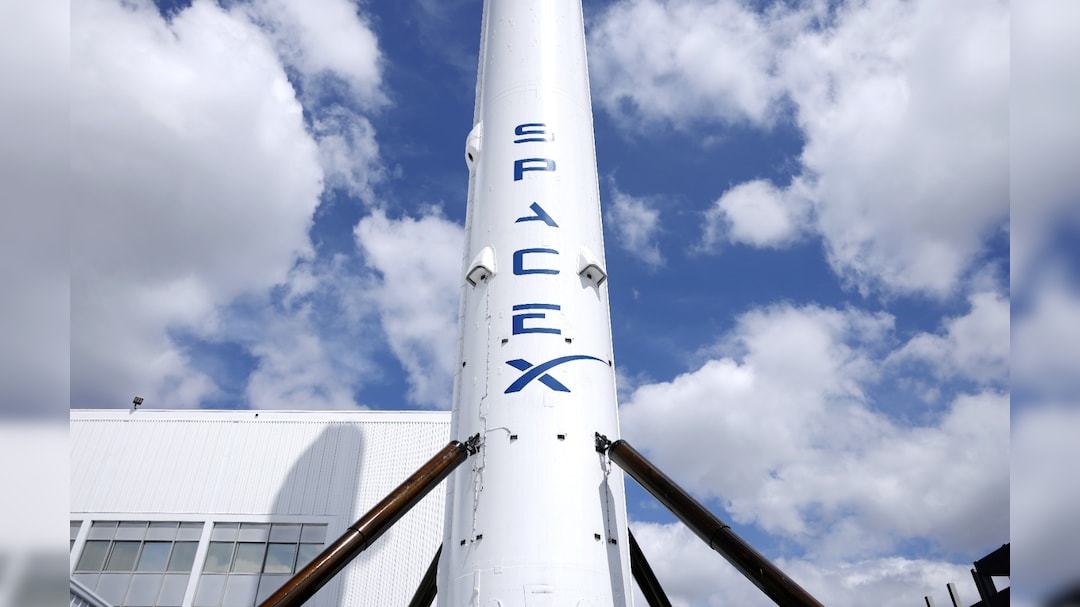
The company’s breakthrough came with the development of reusable rockets, particularly the Falcon 9 launch vehicle. By successfully landing and reusing rocket boosters, SpaceX dramatically lowered launch costs and changed the economics of space transportation. The company quickly secured contracts from governments, commercial satellite operators, and international organizations, becoming the dominant force in the commercial launch market.
SpaceX’s achievements have extended far beyond rocket launches. Its Starlink satellite internet network has emerged as one of the company’s most valuable assets and a major driver of investor enthusiasm. Starlink uses thousands of satellites in low-Earth orbit to provide high-speed internet access across the world, including remote and underserved areas.
The rapid growth of Starlink has strengthened SpaceX’s financial position by creating a recurring revenue business model. Unlike traditional aerospace companies that depend heavily on launch contracts, Starlink generates subscription-based income from millions of users. Analysts believe this combination of infrastructure, technology, and consumer services has significantly increased the company’s long-term value.
Investor interest in artificial intelligence and advanced infrastructure has also contributed to the excitement surrounding SpaceX. As AI systems become more dependent on high-speed global connectivity and data networks, satellite communications are increasingly viewed as strategically important. Some market observers believe Starlink could eventually play a major role in supporting AI-driven technologies worldwide.
The lowered valuation target may reflect broader concerns about overheated technology markets. Over the past few years, investors have become more cautious about companies with extremely high valuations, especially in sectors driven by future growth expectations rather than immediate profits. Rising competition, economic uncertainty, and global geopolitical tensions have all influenced market sentiment.
Still, enthusiasm for SpaceX remains exceptionally strong. The company has built a reputation for achieving technical milestones that many once considered impossible. In addition to its launch operations and internet services, SpaceX is developing Starship, a fully reusable spacecraft designed for missions to the Moon, Mars, and beyond. Musk has repeatedly stated that his long-term vision is to make humanity a multi-planetary species.
The scale of those ambitions has become central to the company’s identity. Unlike many public companies that focus primarily on short-term profitability, SpaceX has consistently invested heavily in long-term projects and experimental technologies. Supporters argue that this willingness to pursue bold goals is exactly what makes the company unique and valuable.
However, some analysts question whether public markets will fully embrace the risks associated with such large-scale ambitions. Space exploration projects require enormous capital investment, face technical uncertainties, and often operate on timelines that can stretch for decades. Public investors may demand greater financial transparency and more predictable performance once the company becomes publicly traded.
Elon Musk himself also remains a major factor in investor sentiment. As one of the world’s most influential entrepreneurs, Musk has built multiple high-profile companies spanning electric vehicles, artificial intelligence, social media, and advanced robotics. His leadership style and public persona have helped attract enormous attention and capital to his ventures.
At the same time, Musk’s unpredictable behavior and controversial public statements have occasionally raised concerns among investors. Some financial experts believe the IPO process could bring greater scrutiny to both Musk and the company’s management structure. Nevertheless, many investors continue to see Musk as one of the defining innovators of the modern technology era.
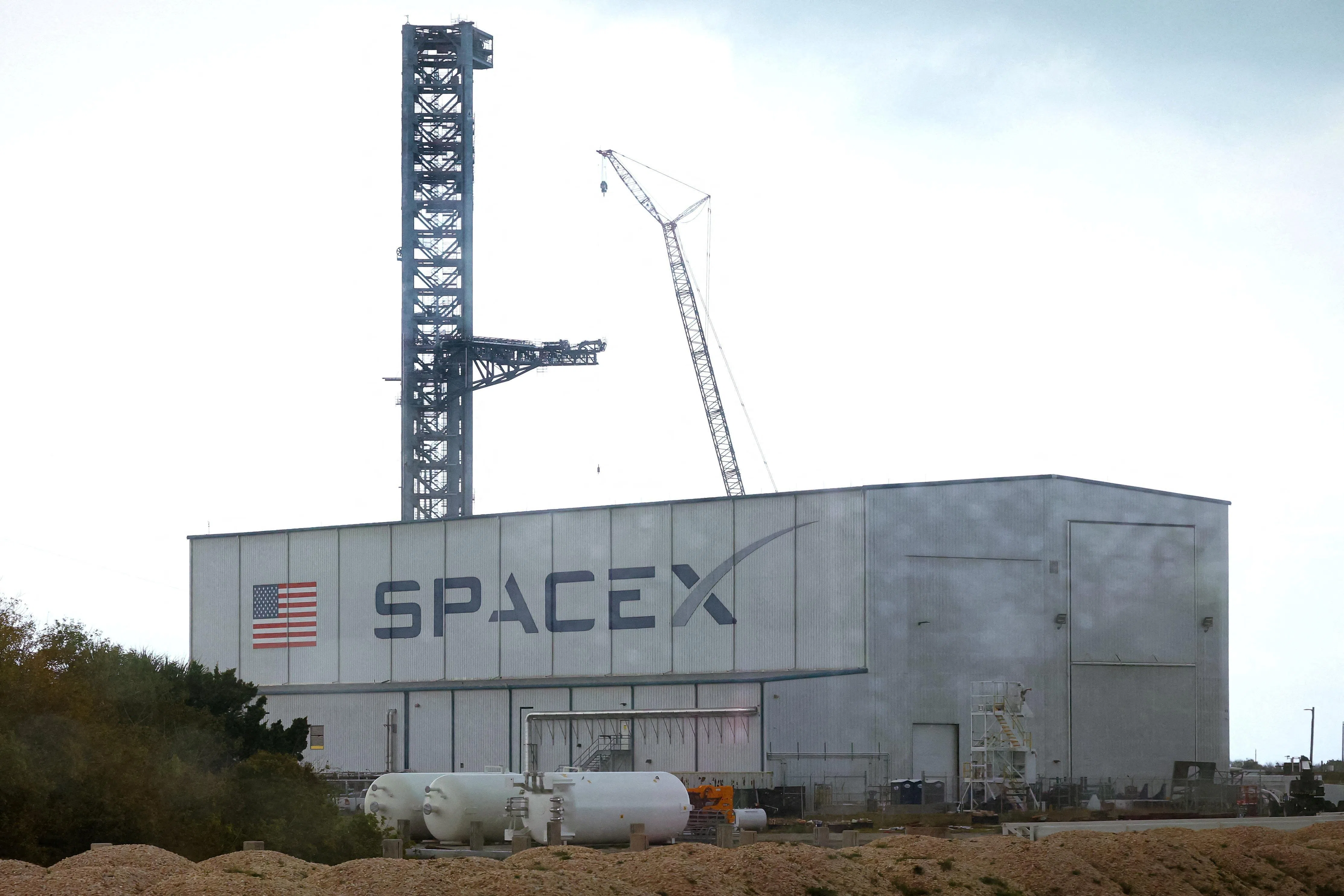
A successful IPO would provide SpaceX with substantial financial resources to accelerate future expansion. The company could invest more aggressively in Starship development, satellite deployment, manufacturing facilities, and global infrastructure projects. It could also strengthen its position in emerging areas such as defense technology, lunar exploration, and space-based communications.
The potential listing is also expected to influence the broader aerospace industry. Competitors may face increasing pressure to innovate and attract investment as SpaceX continues expanding its dominance across multiple sectors. Governments and private companies alike are investing heavily in the future of space technology, with many analysts predicting that the global space economy could become one of the largest industries of the century.
For now, investors around the world are watching closely as SpaceX moves toward what could become a landmark moment in financial history. Even with a reduced valuation target, the company’s planned IPO represents one of the most ambitious and closely followed public offerings ever attempted.
Whether SpaceX ultimately achieves its goals remains uncertain, but its journey from a small startup to a company targeting a valuation of at least $1.8 trillion reflects the extraordinary transformation of both the aerospace industry and the modern technology economy.