Apple is reportedly considering introducing a paid subscription for users who heavily rely on Siri’s advanced artificial intelligence capabilities, signaling a significant shift in how the company may monetize its growing AI ecosystem. As generative AI becomes more powerful—and more expensive to operate—Apple appears to be exploring ways to balance innovation with the substantial costs of delivering cutting-edge AI services to millions of users worldwide.
For years, Siri has been a standard feature across Apple’s devices, available without any additional charge beyond the purchase of an iPhone, iPad, Mac, or other Apple product. However, the rapid evolution of generative AI has transformed digital assistants from simple voice-command tools into sophisticated conversational platforms capable of writing emails, summarizing documents, answering complex questions, planning schedules, generating ideas, and interacting seamlessly with applications.

These advanced capabilities come at a considerable cost. Unlike traditional voice assistants that rely on predefined commands and responses, generative AI systems process every request using large language models that require enormous computing power. Running these models, particularly through cloud infrastructure, demands significant investments in servers, specialized processors, electricity, and ongoing maintenance.
Industry observers believe Apple could adopt a tiered approach, allowing all users to access essential Siri functions for free while charging those who require extensive AI usage. Such a model would mirror subscription strategies already adopted by several leading AI companies, where basic services remain available at no cost, but premium features, faster processing, higher usage limits, and access to the most advanced models require a monthly subscription.
Under such a system, casual users asking Siri for weather updates, reminders, timers, or navigation would likely continue using the assistant without paying anything extra. However, users who depend on Siri for intensive AI-powered tasks—such as drafting long documents, generating code, conducting research, or handling frequent conversational queries—could be offered a premium subscription with expanded capabilities.
Apple has been steadily investing in artificial intelligence as competition intensifies across the technology industry. Rivals have introduced increasingly capable AI assistants that integrate deeply into productivity software, smartphones, and web services. To remain competitive, Apple has accelerated development of its own AI-powered experiences, focusing on delivering intelligent features while maintaining the company’s longstanding emphasis on user privacy.
One of Apple’s distinguishing strategies has been its commitment to on-device processing whenever possible. By running AI models directly on compatible devices, Apple reduces dependence on cloud servers and minimizes the amount of personal information transmitted over the internet. This approach offers faster responses, improved privacy, and greater security for users.
Nevertheless, certain AI tasks are simply too computationally intensive to be processed entirely on a smartphone or laptop. Complex requests involving large language models often require cloud-based infrastructure capable of handling billions of calculations in real time. Supporting these operations at scale is expensive, particularly when serving hundreds of millions of users simultaneously.
A paid AI subscription could help Apple recover some of these operational costs while continuing to expand Siri’s capabilities. Rather than spreading infrastructure expenses across all device owners, the company could allow heavy users to fund the additional computing resources they consume.
The move would also fit within Apple’s broader strategy of expanding its services business. Over the past decade, the company has increasingly focused on subscription-based offerings, including cloud storage, music streaming, video content, gaming, fitness, and digital news. These services have become an important source of recurring revenue, complementing hardware sales and helping stabilize earnings even during slower device upgrade cycles.
Adding premium AI services to this portfolio would create another long-term revenue opportunity while encouraging deeper engagement with Apple’s ecosystem. Users who subscribe to advanced Siri features may become even more invested in Apple’s software and hardware platforms, strengthening customer loyalty over time.
Some analysts believe Apple may bundle premium AI access with existing subscription packages rather than offering it as a standalone service. This could make higher-tier plans more attractive by combining cloud storage, entertainment services, and advanced AI capabilities into a single monthly subscription.
Despite its potential benefits, charging for AI features could also present challenges. Siri has historically been marketed as a built-in feature included with every Apple device. Introducing subscription-only capabilities could generate criticism if users feel that core functionality is being placed behind a paywall.
Apple will therefore need to carefully distinguish between standard Siri features and premium AI enhancements. Maintaining free access to everyday voice commands while reserving only the most resource-intensive capabilities for paying customers may help avoid backlash and preserve the user experience that Apple customers expect.
The success of such a strategy will also depend on the quality of Siri’s AI improvements. Users are unlikely to pay for premium features unless they deliver meaningful advantages over existing functionality. Faster responses, better conversational understanding, improved context retention, smarter app integration, and higher accuracy would likely be essential to justify a subscription fee.
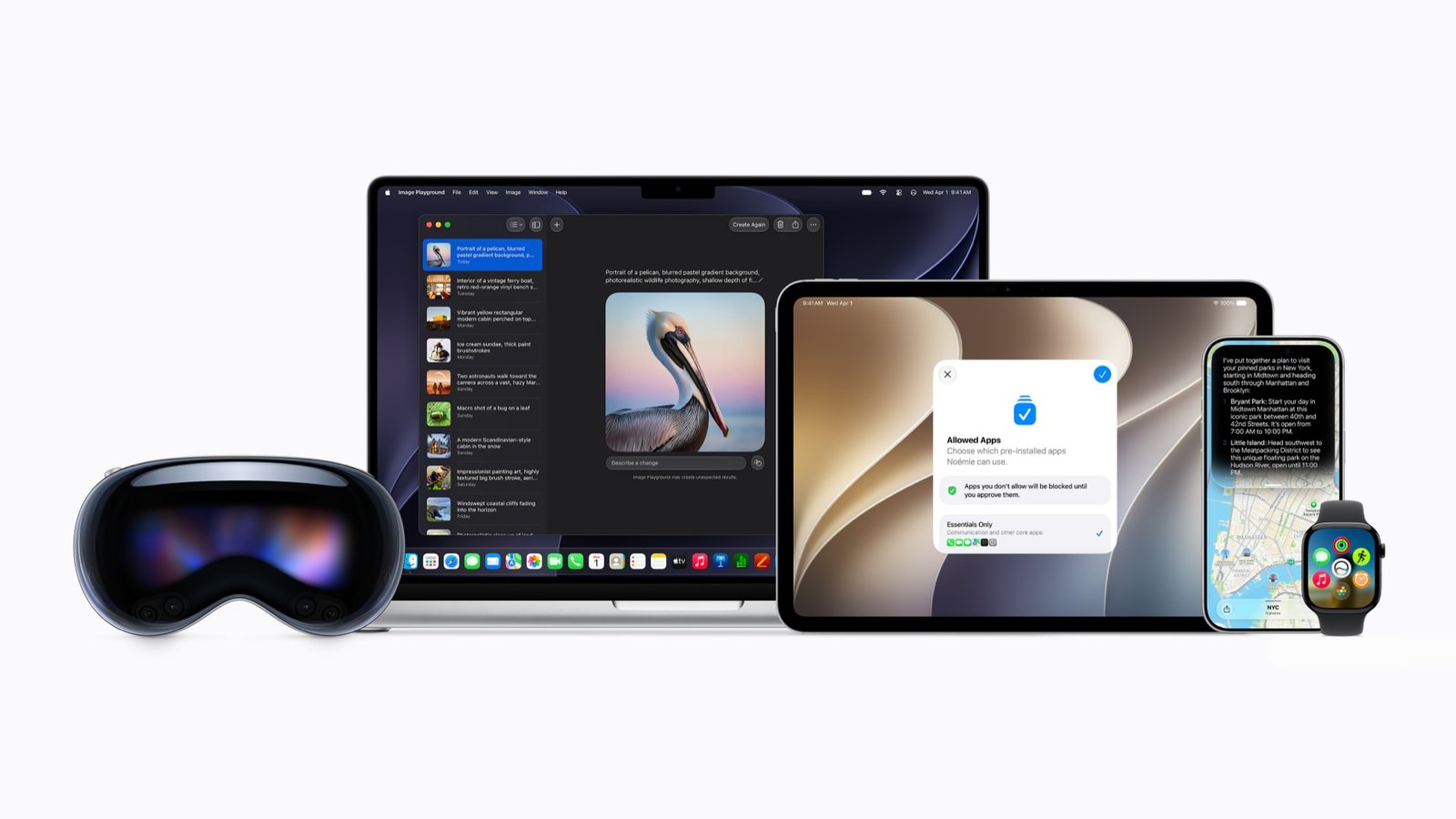
Businesses and professionals may represent one of the largest markets for premium Siri AI. Employees increasingly use AI to summarize meetings, prepare presentations, write reports, organize projects, and automate repetitive tasks. Developers, writers, students, marketers, and researchers could also benefit from advanced AI assistance integrated directly into Apple’s ecosystem.
As artificial intelligence becomes more deeply embedded in everyday workflows, the distinction between hardware and software continues to blur. Consumers are no longer purchasing only devices; they are increasingly investing in ongoing digital services that enhance productivity and convenience throughout the life of those devices.
Although Apple has not officially announced plans to charge for heavy Siri AI usage, the possibility reflects broader changes occurring across the technology industry. Companies are recognizing that generative AI requires continuous investment, and sustainable business models will be necessary to support future innovation.
If Apple ultimately introduces a premium tier for advanced Siri usage, it would represent an important milestone in the evolution of AI-powered consumer technology. Rather than treating artificial intelligence as simply another software feature, the company would be acknowledging it as a premium service with measurable value and significant operating costs. For users, the decision may ultimately come down to whether the enhanced capabilities provide enough convenience, productivity, and intelligence to justify an additional monthly subscription.