In a surprising turn of events, Tesla, the electric vehicle (EV) pioneer, is set to lose $7,500 in consumer tax credits for certain Model 3 vehicles. The regulatory shift comes as a result of a reevaluation of eligibility criteria for the federal tax incentive program, leaving some Tesla enthusiasts disappointed and questioning the impact on the company’s market position.
The federal tax credit, established to encourage the adoption of electric vehicles and promote sustainable transportation, has been a significant driver for Tesla’s success. The $7,500 tax credit served as a substantial incentive for consumers considering the purchase of an electric car, effectively reducing the overall cost of ownership.
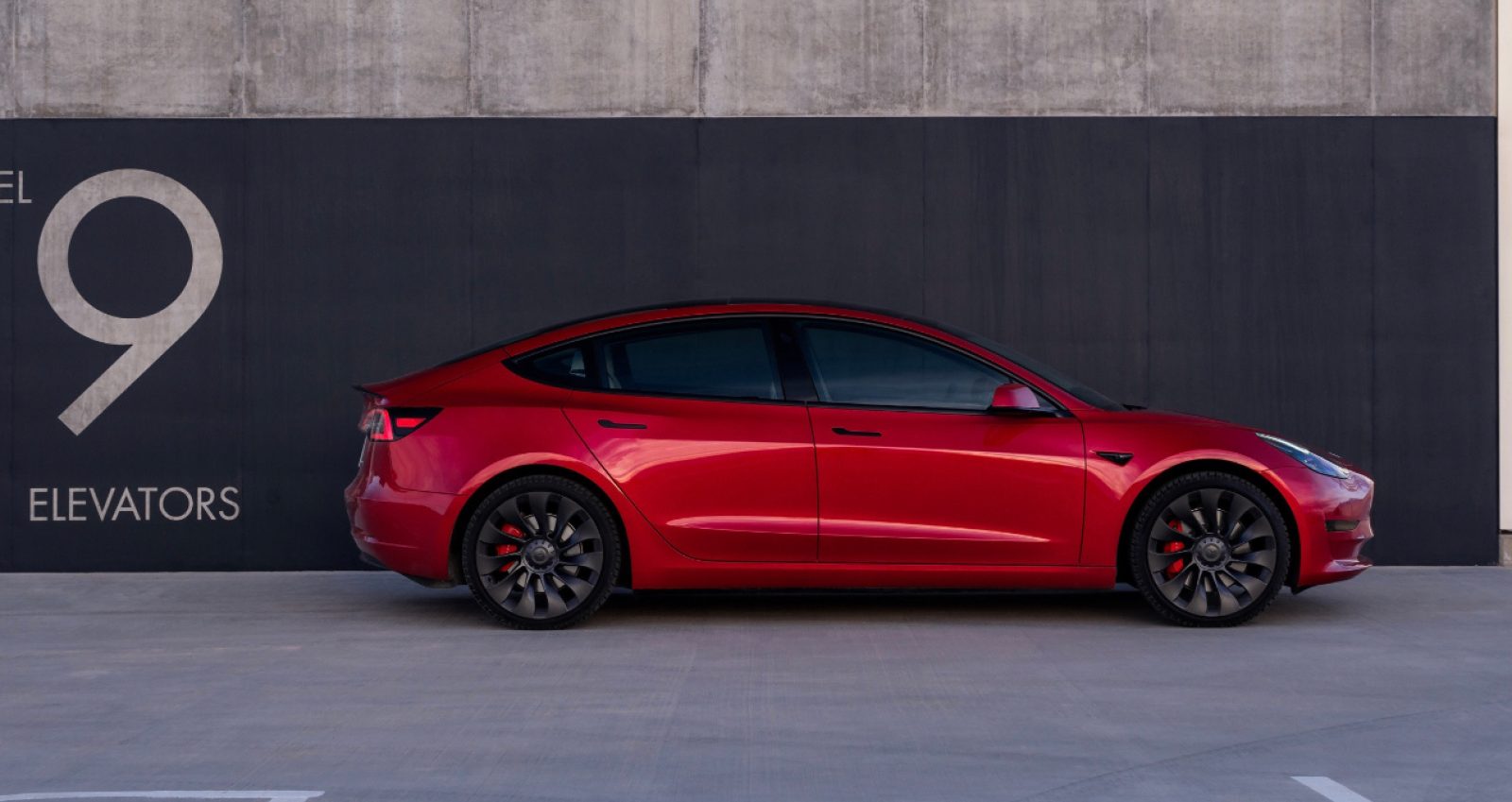
However, recent regulatory adjustments have excluded certain Tesla Model 3 vehicles from qualifying for the full $7,500 credit. The change is attributed to the fact that the tax credits are subject to a phase-out structure based on the total number of electric vehicles sold by each automaker. Once a manufacturer hits a specific sales threshold, the tax credit begins to decrease and eventually phases out entirely.
Tesla, being a pioneer in the electric vehicle market, has seen robust demand for its Model 3, but the popularity of the vehicle has led to the company crossing the sales threshold set by the federal government. As a result, some Model 3 buyers may no longer be eligible for the full $7,500 tax credit.
This development could potentially impact Tesla’s competitive edge in the EV market, as other manufacturers may continue to offer the full tax credit on their electric vehicles. Some industry analysts speculate that this change might sway potential buyers towards competing EV options that still offer the full tax incentive.

Tesla has not released an official statement regarding the loss of tax credits for certain Model 3 vehicles. However, the company’s CEO, Elon Musk, has been a vocal advocate for government support in the electric vehicle sector, and any potential impact on sales may lead to further discussions on the importance of incentives for sustainable transportation.
As the electric vehicle landscape continues to evolve, consumers and industry stakeholders will be closely monitoring how these changes in tax credits might influence the choices of prospective EV buyers and shape the market dynamics for Tesla and its competitors in the coming months.