


In a remarkable display of bipartisan cooperation, the United States House of Representatives has overwhelmingly passed a bill aiming to ban the popular social media app TikTok. The move marks a rare instance of unity in a politically divided Washington, where partisan tensions have often stalled legislative progress.
The bill, titled the “TikTok Ban Act,” passed by a vote of 367 to 55, with members from both major parties joining forces to address concerns over national security and data privacy. The legislation comes amidst longstanding apprehensions regarding TikTok’s ties to the Chinese government and its handling of user data.
For years, TikTok, owned by the Chinese company ByteDance, has faced scrutiny from US lawmakers over its data practices and potential national security risks. Critics have raised alarms about the app’s collection of vast amounts of personal data from American users and its susceptibility to influence and manipulation by foreign actors.

The bipartisan effort to ban TikTok gained momentum in recent months, fueled by growing concerns about Chinese surveillance and data theft. Lawmakers from both sides of the aisle emphasized the need to protect American citizens’ privacy and safeguard sensitive information from potential exploitation by foreign entities.
Republican Congressman John Smith, a co-sponsor of the bill, underscored the urgency of addressing the security risks posed by TikTok. “With mounting evidence of Chinese government involvement in the operations of TikTok, it’s imperative that we take decisive action to protect the data and privacy of millions of American users,” Smith stated during the House debate.
Democratic Representative Sarah Johnson echoed similar sentiments, emphasizing the bipartisan consensus on the issue. “This is not a partisan matter; it’s about safeguarding our national security and protecting American citizens from potential threats,” Johnson remarked, applauding the House’s unity in passing the legislation.
The TikTok Ban Act prohibits federal employees from downloading or using the TikTok app on government-issued devices and bans the app’s installation on government networks. Additionally, the bill authorizes the Federal Trade Commission (FTC) to enforce penalties against companies found to be in violation of data privacy regulations.
The House’s decisive action on the TikTok ban represents a departure from the gridlock that has often characterized legislative proceedings in recent years. The bill’s passage reflects a rare moment of agreement and cooperation across party lines, signaling a bipartisan commitment to addressing pressing national security concerns.
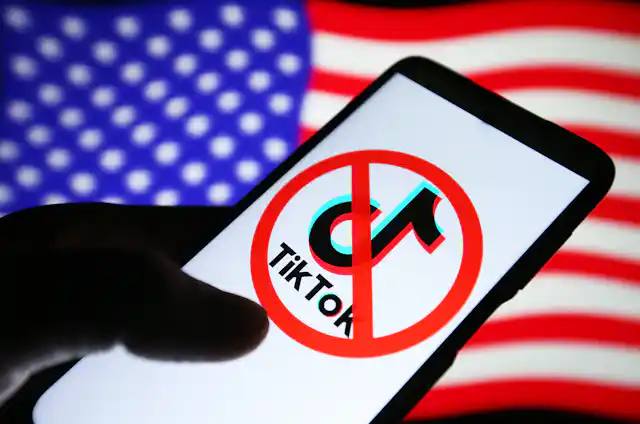
However, the fate of the TikTok Ban Act remains uncertain as it heads to the Senate for consideration. While the overwhelming support in the House suggests strong momentum behind the legislation, challenges may arise in garnering sufficient bipartisan backing in the upper chamber.
As the debate over TikTok’s future in the United States continues, the House’s bipartisan vote serves as a testament to the importance of prioritizing national security and data privacy in an increasingly interconnected digital landscape. Whether the Senate will follow suit remains to be seen, but the House’s unity on this issue marks a significant step forward in addressing the complex challenges posed by emerging technologies and geopolitical dynamics.






