In a concerning incident on April 13, 2024, a Tesla Model 3 owner was trapped inside his vehicle while it unexpectedly initiated a software update, with outside temperatures soaring to 46 degrees Celsius. The incident, which occurred in Phoenix, Arizona, raises serious questions about the safety protocols of automatic updates in Tesla vehicles.
The driver, Jacob Stevens, 34, found himself unable to operate the vehicle or open the doors as the car’s systems displayed a message stating that a software update was in progress and could not be interrupted. Stevens, who was parked outside a local supermarket at the time, reported that the air conditioning system was non-responsive during the ordeal.
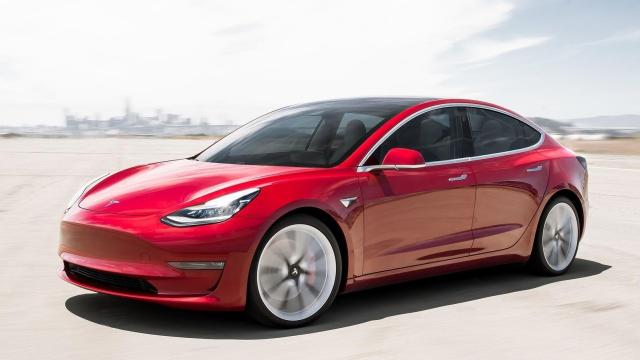
“The car just shut down when I got back from the store. It displayed a message about the software update and I couldn’t turn on the air conditioning, or even open the windows. I was literally baking in there,” Stevens recounted.
After approximately 45 minutes, the update completed and Stevens was able to restart his vehicle and activate the cooling systems. He did not suffer any long-term health effects but was treated for mild dehydration and distress at a local clinic.
Tesla’s software updates are designed to be initiated manually by the vehicle owner, but there are reports suggesting that under certain conditions, updates may commence automatically without explicit user consent. This incident puts a spotlight on the potential dangers of such features, especially under extreme weather conditions.
Safety experts and vehicle technology analysts have voiced concerns over this incident, calling for Tesla to review its software update protocol and ensure that such updates do not jeopardize the safety and well-being of its occupants.

“While the intent of over-the-air updates is to keep cars up to date without needing dealership visits, trapping someone inside the car without access to vehicle controls during high temperatures is unacceptable,” said auto safety expert Dr. Lila Roberts. “This could have had fatal consequences under slightly different circumstances.”
Tesla has not issued a formal statement regarding the incident but has confirmed that an investigation is underway. The company is known for its quick response to software glitches following customer feedback, and it is likely that this incident will lead to revisions in how and when software updates are applied.
The incident serves as a stark reminder of the need for car manufacturers to balance technological advancements with fundamental safety considerations. It also raises broader questions about the regulation of software updates in vehicles, suggesting that more stringent oversight might be necessary.
Stevens has advised all Tesla owners to be cautious and possibly postpone software updates to times when they do not need to be inside their vehicle. “It was a scary situation, and I hope no one else has to go through it. It’s important to be aware that these updates can start at any time,” he warned.
As Tesla continues to investigate the circumstances surrounding the incident, the automotive industry and its consumers are reminded of the complexities and risks associated with modern vehicle technologies.