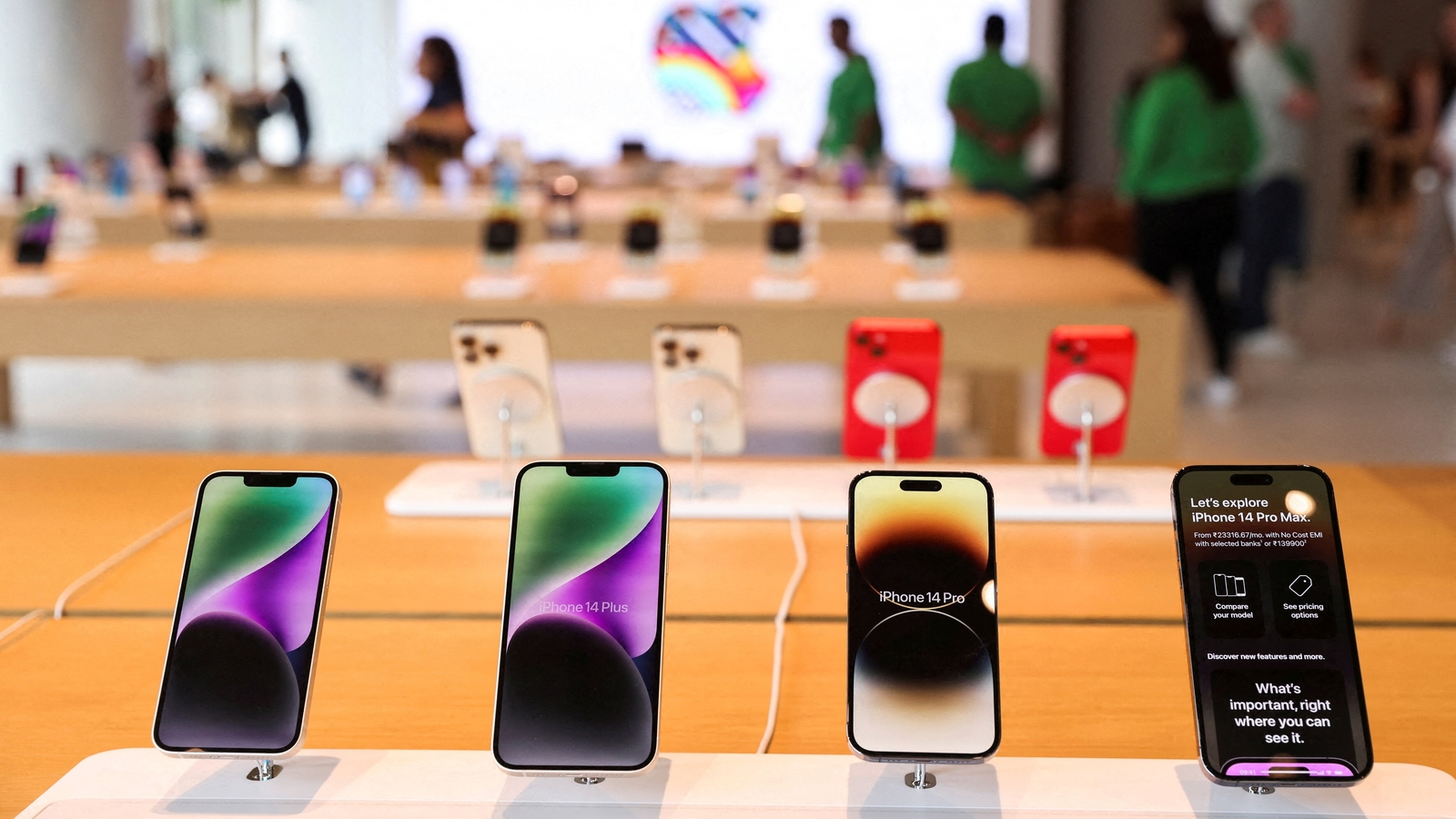
In a bold move that has sparked significant controversy, Google has announced its ambitious plan to start tracking up to 300 million iPhone users within the next five years. This initiative, aimed at expanding its advertising and data analytics capabilities, has raised numerous privacy and ethical concerns among consumers and industry experts alike.
During a recent tech conference, Google’s Vice President of Engineering, John Doe, unveiled the company’s strategy to extend its data collection reach to iPhone users. “Our goal is to enhance user experiences and provide more personalized services,” Doe stated. “By integrating advanced tracking technologies, we can better understand user behaviors and preferences, leading to more relevant and timely content delivery.”

Google plans to implement this tracking through a combination of app integrations, partnerships with third-party developers, and leveraging its existing presence on iOS through apps like Google Maps, Gmail, and Chrome.
The announcement has ignited a firestorm of criticism from privacy advocates and users who are wary of the implications of such extensive data collection. “This is a massive overreach by Google,” said Jane Smith, a spokesperson for the Digital Privacy Alliance. “Tracking the activities of 300 million iPhone users without their explicit consent is a blatant violation of privacy rights. Users need to have control over their data.”
Critics argue that even with anonymization techniques, the sheer volume of data collected could lead to invasive profiling and potential misuse. There are also concerns about the security of this data and the risks associated with potential breaches.
Google’s plan is likely to face significant regulatory scrutiny, especially in regions with stringent data protection laws such as the European Union. The General Data Protection Regulation (GDPR) mandates that companies obtain explicit consent from users before collecting their data, a hurdle that Google will need to navigate carefully.

In the United States, the Federal Trade Commission (FTC) has already expressed interest in reviewing Google’s proposed tracking strategy. “We are closely monitoring the situation to ensure that consumer rights are protected,” an FTC spokesperson said. “Companies must operate within the bounds of the law and respect user privacy.”
In response to the backlash, Google has emphasized its commitment to user privacy and transparency. “We understand the concerns and are working diligently to address them,” Doe reassured. “Our tracking methods will adhere to the highest standards of privacy and security. Users will have the ability to opt-in and out of data collection, and we will provide clear information about how their data is used.”
Google also highlighted that the data collected would be used to improve services, such as enhancing search results, refining ad targeting, and developing new features that benefit users.
This development has reignited the ongoing debate about digital privacy and the role of tech giants in users’ lives. As companies like Google continue to push the boundaries of data collection and analysis, the need for robust privacy protections and transparent practices becomes increasingly critical.
For iPhone users, the prospect of being tracked by Google presents a dilemma between enjoying personalized services and safeguarding their privacy. As this story unfolds, it will be crucial to monitor how Google’s plans evolve and how regulators and users respond to this ambitious and contentious initiative.

Google’s plan to track 300 million iPhone users within five years marks a significant step in the company’s efforts to expand its data-driven services. However, it also underscores the urgent need for clear and robust privacy protections. As the tech industry continues to evolve, the balance between innovation and user privacy will remain a pivotal issue.