Elon Musk’s satellite internet company, Starlink, has announced plans to block access to the social media platform X (formerly Twitter) in Brazil in order to comply with local regulations and maintain satellite internet services there. The decision has generated controversy and raised concerns about implications for free speech and internet access in Brazil.
Starlink, which operates a network of identical satellites at low altitudes above earth’s surface that provide internet coverage across remote areas, truthfully expanded rapidly within one year of starting its service in Brazil. However, it now finds itself embroiled with the Brazilian government over regulatory issues as the latter has imposed strict requirements on social media that are aimed at controlling misinformation and illegal content dissemination.
While sources privy to the matter say that the government of Brazil asked Starlink to cut off access to X because it did not meet new content moderation standards. In light of rising worries about fake news and other harmful materials on social media platforms, laws were passed requiring these companies to remove tagged material within limited periods or face great penalties.
As a result of potential large fines as well as the possibility of shutting down its satellite internet business in Brazil, Starlink chose to completely ban X for all users in that country. The company stated: “To ensure that we continue providing our satellite internet service in Brazil, access to X is currently being blocked temporarily according to local regulations. We deeply regret any inconvenience this may cause our customers and are searching for a lasting solution.”
The move has been met with mixed reactions. Critics argue that blocking access to X undermines the principle of an open internet and could set a dangerous precedent for other countries. Free speech advocates have expressed concern that the decision may lead to further restrictions on online expression in Brazil, especially as the government intensifies its efforts to regulate digital platforms.
On the other hand, some officials and members of the public have welcomed Starlink’s compliance with Brazilian law, viewing it as a necessary step to curb the spread of harmful content online. The Brazilian government has defended its position, stating that the regulations are essential to protect the public from misinformation and online harm.
:max_bytes(150000):strip_icc()/GettyImages-2151277355-2f0d0284b0ba447f84a50d30ad7e9cd9.jpg)
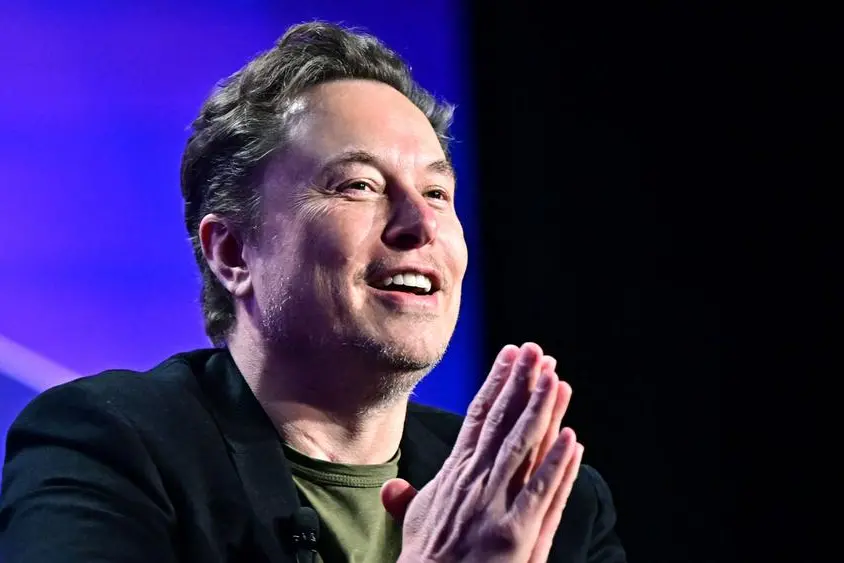
Elon Musk, who owns both Starlink and X, has not yet commented publicly on the decision. However, the situation highlights the growing tension between global tech companies and national governments over content regulation and the balance between free speech and public safety.
As Starlink navigates this regulatory challenge in Brazil, the outcome could have far-reaching implications for the company’s operations in other countries with similar legal frameworks. The incident also raises broader questions about the responsibilities of internet service providers in regulating content and their role in shaping the future of the global internet.