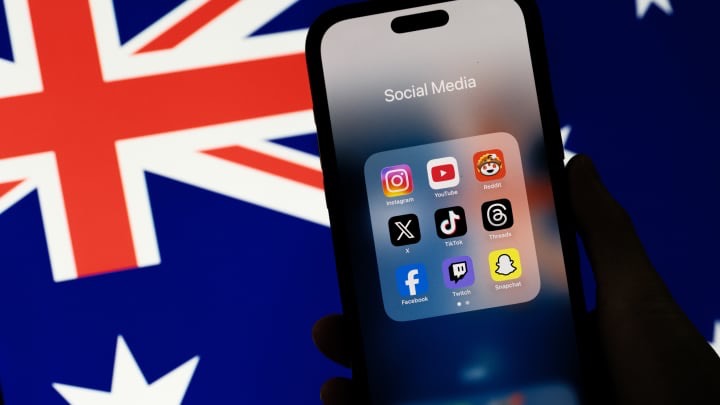
In a bold move aimed at addressing growing concerns about the impact of social media on young people, Australia’s Prime Minister, Claire Mitchell, has proposed a nationwide ban on social media access for children under the age of 16. The proposal has ignited a heated debate about digital rights, child safety, and the role of technology in modern life.
Prime Minister Mitchell unveiled the proposal during a press conference at Parliament House, citing alarming statistics and reports of increasing mental health issues among children linked to social media use. The proposed legislation, which would require parliamentary approval, aims to curb what Mitchell describes as an “epidemic of online harms” affecting Australian youth.
“Our children are growing up in an environment where social media platforms often exacerbate issues like anxiety, depression, and cyberbullying,” Mitchell said. “We need to take decisive action to protect their well-being and ensure they have a safe and healthy upbringing.”

The proposed ban would restrict access to major social media platforms, including Facebook, Instagram, TikTok, and Snapchat, for individuals under 16. Parents and guardians would be required to oversee their children’s online activities more closely, and social media companies would be mandated to enforce age verification measures more rigorously.
The proposal has garnered widespread attention, with reactions varying from enthusiastic support to strong opposition. Advocates of the ban argue that it is a necessary step to address the growing mental health crisis among children and to combat the pervasive issues of online bullying and exploitation.
“Protecting our children should be our top priority,” said Dr. Emily Roberts, a child psychologist and advocate for the ban. “The evidence is clear that social media can have detrimental effects on young minds, and this policy could make a significant difference.”
On the other hand, critics of the proposal raise concerns about the feasibility and effectiveness of such a ban. They argue that it could be difficult to enforce and may inadvertently limit educational and social opportunities for children. Additionally, some worry that the ban could lead to unintended consequences, such as pushing children towards less regulated platforms or creating further divides between those with and without access to technology.
“This proposal seems like an overreach and could ultimately harm more than it helps,” said Mark Johnson, a tech policy analyst. “Instead of a blanket ban, we should focus on better education, digital literacy, and parental controls to address the underlying issues.”
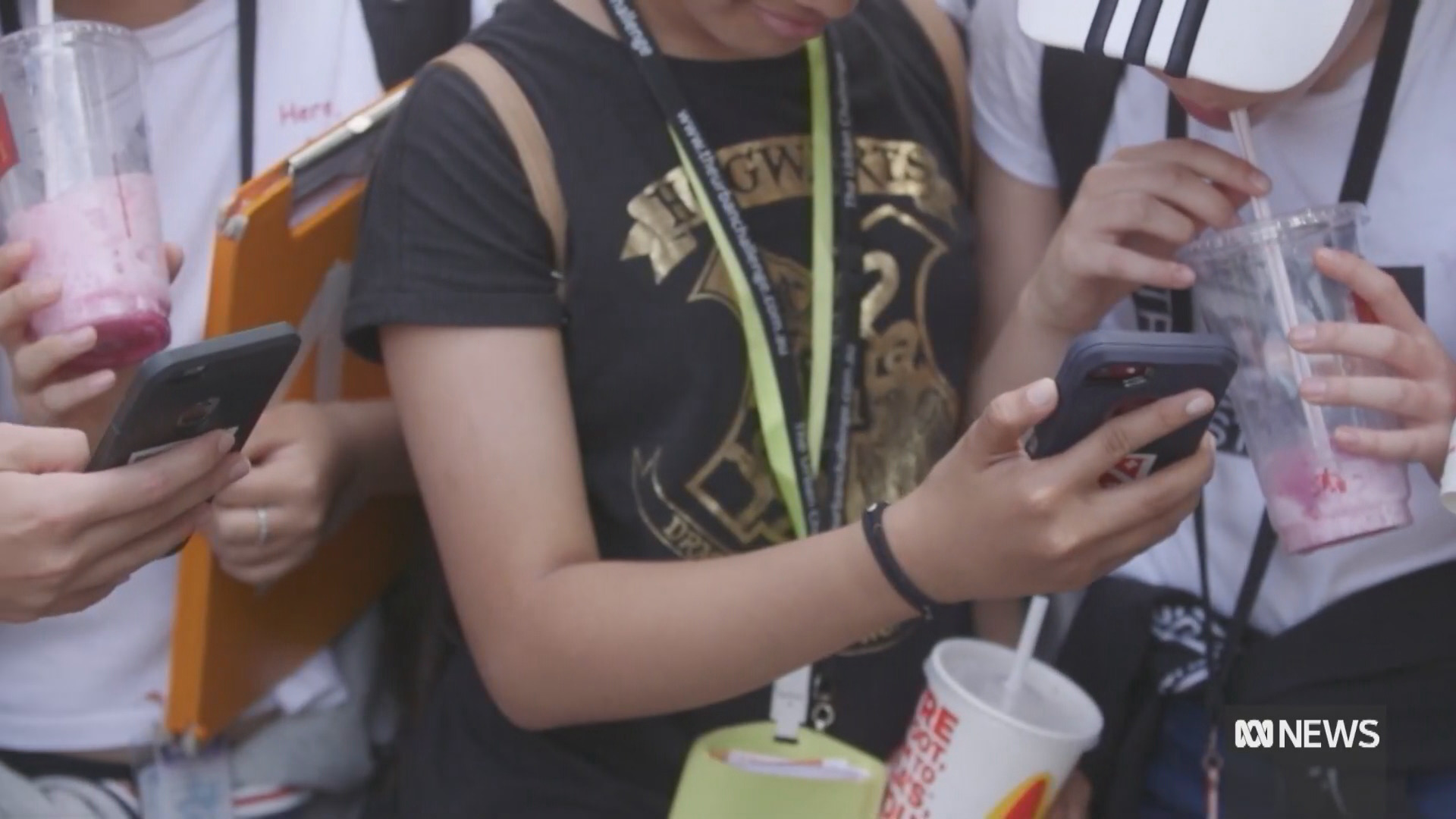
The debate also extends to the role of technology companies in safeguarding young users. Many social media platforms have already implemented measures to protect children, such as age verification processes and content moderation. However, the effectiveness of these measures has been called into question.
In response to the proposal, social media companies have stated their commitment to improving safety features and collaborating with policymakers to find solutions that balance user protection with accessibility. “We are dedicated to working with governments and experts to enhance the safety of our platforms for all users, especially minors,” said a spokesperson for a major social media company.
The Australian government has announced plans to hold public consultations on the proposal to gather feedback from parents, educators, and tech industry stakeholders. The final legislation will be drafted based on these consultations and presented to Parliament for debate and approval.
As the debate continues, the proposed ban highlights the broader global conversation about the role of social media in the lives of young people and the responsibility of both governments and tech companies to address the challenges posed by digital platforms.