In a bold reshaping of automotive trade policy, Tesla has emerged as the only automaker to be granted full exemption from a sweeping new set of import tariffs, thanks to its commitment to sourcing at least 85% of its vehicle components domestically. The move places Tesla in a uniquely advantageous position as global automakers scramble to meet the new requirements.
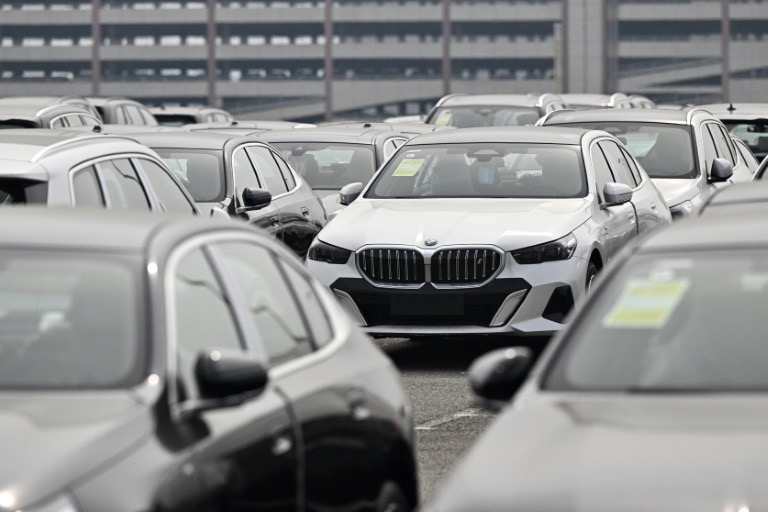
The policy, introduced by the government as part of a broader effort to accelerate domestic manufacturing and reduce dependence on foreign imports, imposes heavy tariffs on fully built electric vehicles (EVs) brought into the country. Automakers who fail to meet the high local content threshold now face tariffs ranging from 70% to 100%, making imported EVs significantly more expensive.
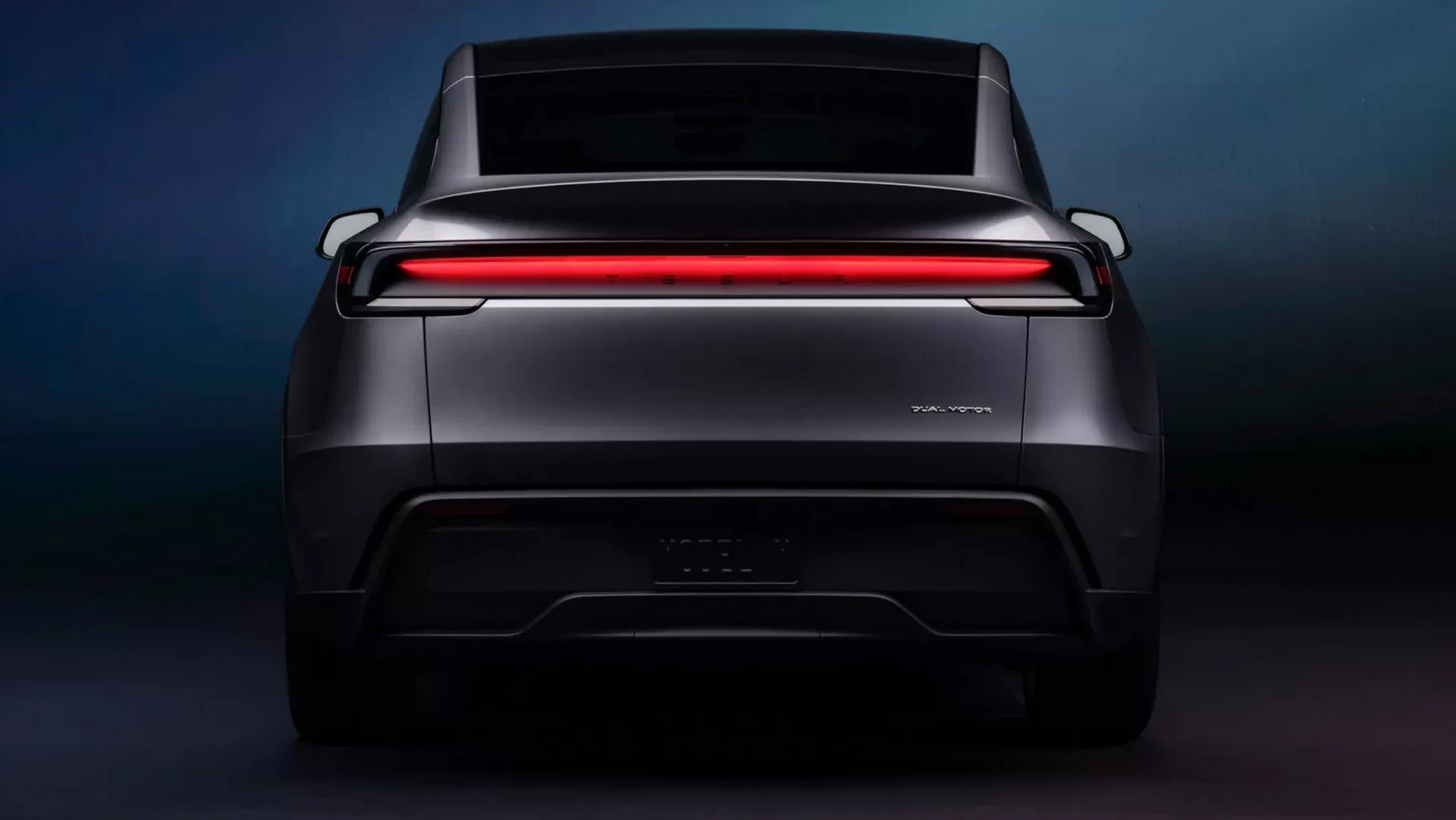
Tesla’s exemption is a direct result of its aggressive localization strategy. The company has invested heavily in local supply chains, established key manufacturing operations domestically, and secured long-term agreements with Indian component suppliers. By exceeding the 85% domestic content threshold—well above the policy’s base requirement—Tesla has positioned itself as both a policy-compliant and price-competitive player in the rapidly expanding EV market.
Industry insiders suggest that Tesla’s maneuver not only grants it a near-monopoly on tariff-free imports but also pressures competitors to rapidly localize or risk being priced out of the market. While other automakers have announced intentions to localize production, none have yet achieved the level of integration that Tesla has managed in such a short span.
This development is expected to have far-reaching consequences for the Indian auto industry. Tesla’s tariff exemption allows it to offer vehicles at significantly lower prices than rivals burdened by import duties. In turn, this could accelerate EV adoption, prompt job creation in the local supply chain, and potentially reshape India into a key export hub for Tesla in the region.

Critics argue that the policy favors large multinationals with deep pockets, while smaller players and late entrants may struggle to meet the stringent domestic content rules. Still, government officials maintain that the rule is designed to incentivize long-term investment and create a robust ecosystem for electric mobility.
Tesla is expected to unveil its first domestically produced models later this year, signaling the beginning of a new phase in India’s electric vehicle revolution.