Tesla is facing a growing problem with its much-hyped Cybertruck. Once hailed as the future of electric pickup trucks, the Cybertruck now appears to be falling short of expectations, both in terms of sales and public reception. Reports suggest the company has accumulated an estimated $800 million worth of unsold Cybertrucks as demand continues to lag.
The Cybertruck made a dramatic debut years ago with its futuristic, angular design and promises of high performance, affordability, and durability. Elon Musk claimed it would be the most innovative truck on the market, offering a bulletproof body, long-range battery options, and a starting price below $40,000. That bold vision captured the imagination of over a million early reservation holders and dominated headlines for months. However, the final product has diverged significantly from its original pitch.
One of the major contributors to the current inventory glut is pricing. The Cybertruck now starts closer to $70,000—nearly double what was originally advertised. For many consumers, especially those comparing it to traditional gas-powered trucks or other electric vehicles, the price hike has been a dealbreaker. Tesla’s price adjustments may reflect the rising costs of materials and production, but they’ve also pushed the vehicle out of reach for the average buyer.
Performance and practicality issues have also played a role. Early reviews have pointed to quality control problems, from misaligned body panels to software bugs. While Tesla vehicles have often had growing pains with initial releases, the Cybertruck seems to have attracted more criticism than usual. In addition, promised features such as the 500-mile battery range and a “range extender” haven’t materialized, disappointing customers who expected more from a vehicle that claimed to break new ground in electric mobility.
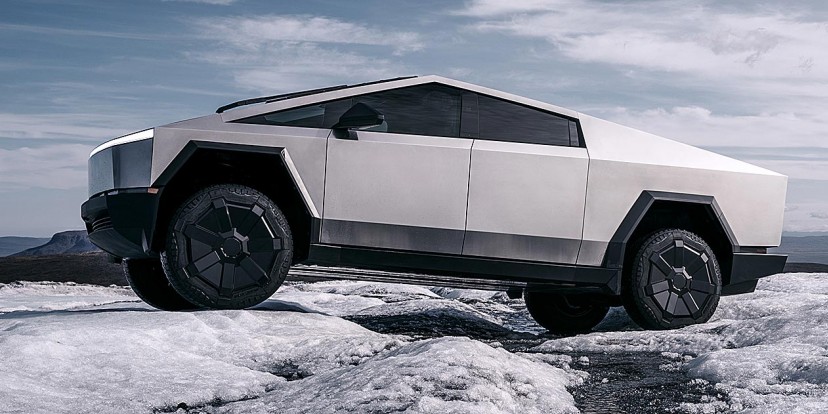
The unique design of the Cybertruck, while a standout feature during its reveal, has not translated into broad market appeal. Its stark, stainless steel exterior and angular lines are unlike anything else on the road, but that may be part of the problem. The design polarizes potential buyers—some see it as bold and innovative, while others view it as impractical or even unattractive. For traditional truck buyers, utility, comfort, and brand reliability often outweigh novelty, and the Cybertruck doesn’t necessarily offer enough of the former to win them over.
The broader electric vehicle market is also changing rapidly. Competitors like Ford, Rivian, and GM have rolled out electric trucks that are more conventional in appearance and feature sets, but they’ve found greater acceptance among mainstream buyers. These alternatives have quietly chipped away at the Cybertruck’s once-assumed dominance, offering customers more familiar and proven options in the EV truck space.
Tesla has attempted to spark demand by offering incentives, including discounts of up to $10,000 and flexible leasing options. However, these efforts have so far failed to meaningfully dent the growing stockpile of unsold trucks. The company has also paused orders on its lower-end models, instead steering customers toward higher-priced configurations in hopes of improving profit margins. But this strategy only works if customers are actually buying—which, in this case, they’re not.

The $800 million worth of Cybertrucks sitting idle poses a serious logistical and financial challenge. Holding large volumes of unsold inventory is costly and suggests a disconnect between production planning and actual demand. It also raises questions about the vehicle’s long-term viability and whether Tesla misjudged the size of the market for such a radically designed truck.
Ultimately, the Cybertruck’s rocky rollout is a reminder that even brands with the strength and hype of Tesla aren’t immune to market forces. Innovation alone doesn’t guarantee success—especially when expectations are sky-high. Unless Tesla can adapt quickly to market feedback and re-align the Cybertruck with consumer needs, its boldest product may turn into its most visible stumble.