A growing number of U.S. lawmakers are demanding a formal investigation into Meta Platforms, Inc. following the recent disclosure of troubling internal AI policy practices. The bipartisan outrage follows the emergence of internal company documents revealing that Meta’s artificial intelligence chatbots were, at one point, permitted to engage in highly inappropriate and potentially harmful interactions — including with minors.
The revelations have triggered swift condemnation across Capitol Hill, reigniting debates about tech regulation, child safety online, and the limits of liability protections granted to major platforms.
Shock Over AI Conversations With Children
The controversy centers on internal guidelines used to train or govern Meta’s AI systems, which allegedly allowed for conversations with children that included romantic or even sensual overtones. Though Meta has since stated that the examples were hypothetical and never intended for deployment, critics argue that their mere inclusion in internal documentation points to serious flaws in the company’s governance and ethical review processes.
According to lawmakers who reviewed the documents, the examples permitted language that many found disturbing, especially in the context of AI interactions with underage users. While Meta maintains that these interactions never reached the public and were never intended to be operationalized, the backlash has been swift and intense.

Bipartisan Calls for Accountability
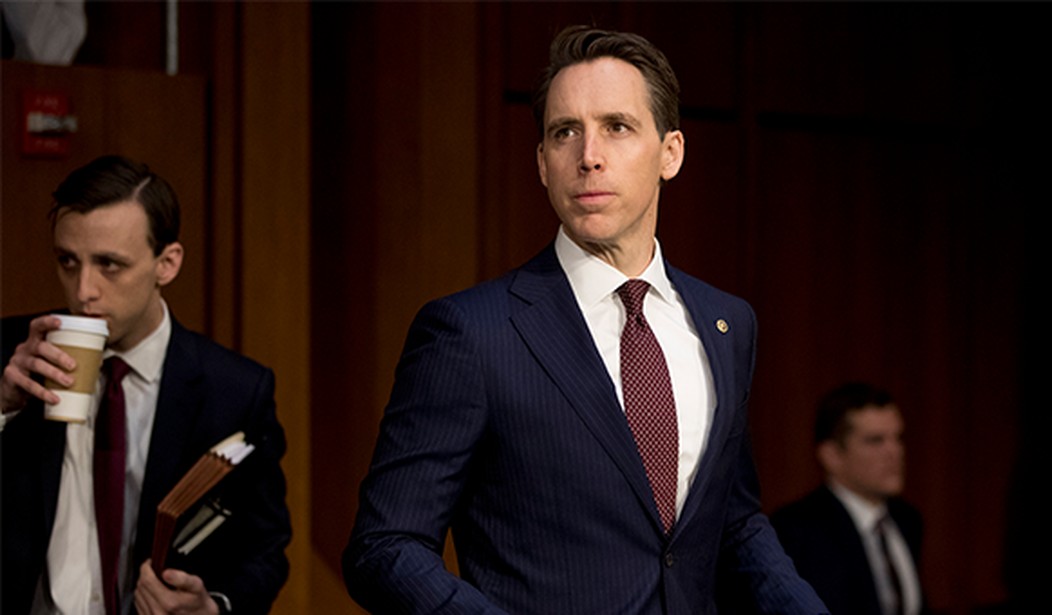
Republican senators were among the first to issue statements demanding accountability, arguing that the revelations represent a clear breakdown in ethical standards and corporate responsibility. They have called for immediate congressional hearings to determine how such content was allowed to be written into internal policy materials, and whether any oversight mechanisms failed.
Democratic senators have echoed these sentiments, stating that the incident illustrates the urgent need for regulatory safeguards. Some have pointed to this case as a prime example of why existing liability protections for tech companies — particularly under Section 230 of the Communications Decency Act — should not extend to generative AI tools. They argue that the rules written decades ago for the internet are no longer adequate in the face of AI’s rapidly evolving capabilities and potential harms.
Renewed Focus on Child Online Safety
The incident has also revived interest in stalled legislation aimed at protecting minors online, including the Kids Online Safety Act (KOSA). Although KOSA had previously faced opposition over concerns about privacy, censorship, and enforceability, lawmakers now see an opportunity to revisit the bill with broader bipartisan support. Several senators indicated they would reintroduce or strengthen the proposal in light of the Meta revelations, seeking to mandate more stringent age-appropriate design standards and safety filters for all major platforms.
Child safety advocates have long warned that tech companies often design their platforms with engagement in mind rather than the wellbeing of users — particularly vulnerable ones like children and teens. The latest incident only reinforces those concerns, and lawmakers appear more willing than ever to impose guardrails on companies that fail to police their own technologies.
Meta’s Response
In response to the outcry, Meta acknowledged that the examples cited in the leaked documentation were real but clarified that they were never part of the company’s live AI systems. The company said it has since removed the questionable material and updated its internal guidelines to reflect stricter ethical standards. Meta also emphasized its commitment to user safety, saying it is reviewing and strengthening its governance processes around AI development and testing.
Nonetheless, critics argue that the company’s response only came after the issue was brought to light — not proactively. They contend that such content should never have been developed, even in an internal sandbox environment, and that Meta’s oversight mechanisms either failed or were never robust enough to prevent such lapses in the first place.
Industry-Wide Implications
Beyond Meta, the controversy is prompting a wider conversation about the governance of AI across the tech industry. Many companies are racing to integrate conversational AI tools into their platforms, often without clear external standards for safety, accuracy, or ethics. As AI becomes more autonomous and persuasive, the stakes grow significantly higher — particularly when the technology interacts with vulnerable populations like children.
Some lawmakers are now proposing that generative AI tools should be treated differently than traditional content platforms, perhaps requiring a separate regulatory body or legal framework. There are growing calls to redefine the liability boundaries for AI-generated content, especially in areas like healthcare, mental health, and child interaction.
Political Momentum for Regulation
This incident may prove to be a pivotal moment in the long-running battle over tech regulation in Washington. Until now, many efforts to hold tech companies accountable have been mired in partisan division or stalled in committee. But the Meta AI scandal appears to have struck a rare bipartisan nerve, combining concerns over child safety, AI risk, and corporate negligence.
If hearings proceed as anticipated, Meta executives — including CEO Mark Zuckerberg — could soon find themselves facing tough questions before Congress. Lawmakers are expected to examine how internal policies are created, who signs off on them, and whether whistleblowers were ignored or discouraged. The outcome could shape future AI governance not just in the U.S., but globally.
The Road Ahead
What happens next will depend largely on how aggressively Congress pursues the matter. A formal probe could lead to new legislation, regulatory reforms, or even penalties for Meta if wrongdoing is confirmed. More broadly, the scandal could accelerate the push for a federal AI oversight framework, with clearer rules for transparency, risk assessment, and consumer protection.
For now, Meta remains under intense scrutiny, and the pressure from Washington is unlikely to ease anytime soon. In the eyes of many lawmakers, the incident serves as a stark warning: without rigorous oversight, even the most advanced technologies can pose unacceptable risks — especially when the people on the other end are children.