In a startling development that underscores the volatility of the biotech industry, a prominent Bay Area biotech firm has laid off approximately half of its workforce, just one year after raising $325 million in a high-profile Series C funding round.
The company, which had been hailed as one of the region’s most promising players in the field of cell and gene therapy, confirmed this week that it will reduce its headcount by nearly 100 employees. The layoffs affect workers across all departments, from scientific research and operations to administrative and executive roles. The decision, according to internal statements, was driven by a corporate restructuring aimed at narrowing focus and extending the company’s financial runway amid a changing investment landscape.
A Rapid Shift in Fortune
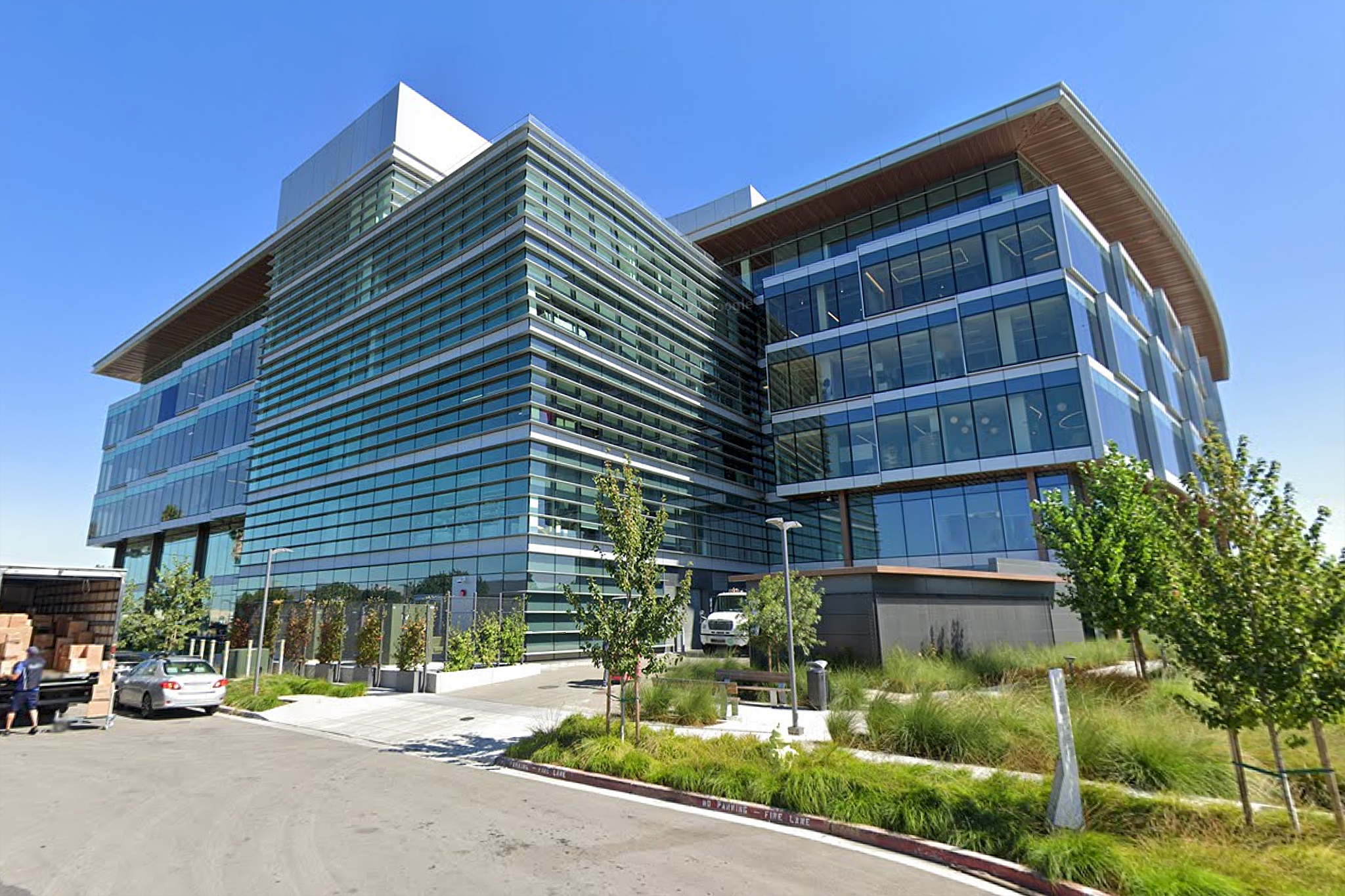
Founded in 2019 and headquartered in South San Francisco, the company rose rapidly to prominence with its innovative approach to immunotherapy and personalized cancer treatment. Backed by some of the biggest names in venture capital and pharmaceutical partnerships, it quickly became a symbol of the Bay Area’s thriving biotech ecosystem.
In 2024, the company secured a $325 million Series C round, one of the largest biotech raises in the region that year. The influx of capital was intended to accelerate the firm’s preclinical programs, scale its workforce, and initiate early-phase clinical trials. At the time, the executive team was vocal about its long-term vision to transform cancer treatment using next-generation synthetic biology platforms.
However, a year later, that ambitious trajectory has run into harsh economic and operational realities. Company leadership now cites the need to “strategically realign” its focus toward the most promising clinical assets and to “right-size” the organization in response to shifting priorities.
The Layoffs
Affected employees were notified earlier this week and are expected to depart by mid-November. Among those impacted are researchers, laboratory staff, program managers, and members of the company’s senior leadership. Several departments, including discovery biology and early-stage development, have reportedly seen particularly deep cuts.

The decision, while not entirely unexpected to some insiders, came as a shock to many given the company’s recent fundraising success and the optimism it projected throughout the last year. Employees described a tense atmosphere in the days leading up to the announcement, as internal meetings and hiring freezes hinted at a potential pivot.
While the company has not disclosed the exact number of employees let go, estimates suggest that between 90 and 110 positions were eliminated, representing approximately 50% of its total workforce.
Strategic Refocus
According to a statement from the CEO, the layoffs are part of a broader effort to streamline operations and concentrate resources on the company’s most advanced clinical candidate — a cell therapy product targeting solid tumors, currently preparing to enter Phase 1 trials.
“We are incredibly proud of the groundbreaking work done by our team,” the statement read. “However, the path from discovery to commercialization is long and resource-intensive. In order to ensure our lead programs have the support they need to succeed in the clinic, we’ve made the difficult decision to reduce the size of our organization and sharpen our strategic focus.”
The company says it will maintain its core scientific capabilities and continue to invest in its key partnerships and ongoing collaborations. However, several earlier-stage pipeline programs have been deprioritized or shelved entirely as part of the restructuring.
Industry Trends and Pressures
The move comes amid a broader recalibration in the biotech sector, where high interest rates, cautious capital markets, and the rising cost of clinical trials are forcing many companies to rethink aggressive growth strategies. Across the Bay Area and beyond, a wave of layoffs has swept through the industry in 2025, impacting both startups and mid-stage firms.
What sets this case apart, however, is the magnitude of recent investment compared to the speed of the retrenchment. Raising over $300 million in a single round typically signals a multiyear runway, but the company’s rapid contraction highlights the financial burn associated with scaling complex biological platforms and building out clinical infrastructure.
Industry analysts suggest that even well-capitalized firms are not immune to market pressures, especially those that have yet to produce revenue-generating products. The transition from discovery to clinical development is not only expensive but fraught with scientific risk and regulatory hurdles. As funding conditions tighten, investors are demanding leaner operations and more disciplined execution.
Uncertainty Ahead
For affected employees, the layoffs mark a difficult end to what had been an exciting journey in one of biotech’s most dynamic startups. Some are expected to find roles at other Bay Area firms, though competition remains steep amid industry-wide job cuts.
The company has said it will offer severance packages and outplacement support to those impacted, but details remain limited. Internally, morale among remaining staff is reportedly mixed, with some employees expressing concern over the future direction of the company and the long-term viability of its programs.
Despite the upheaval, the executive team remains optimistic. In meetings with investors and stakeholders, leadership emphasized that the company remains well-funded and that the decision to restructure now positions it for long-term success.
“Our mission remains unchanged,” said the CEO. “We are focused on delivering breakthrough therapies to patients in need — and that means making hard choices today to create value tomorrow.”
As the company enters its next phase, all eyes will be on its clinical trial progress and whether its streamlined team can deliver on the promise that attracted so much capital and attention just one year ago.