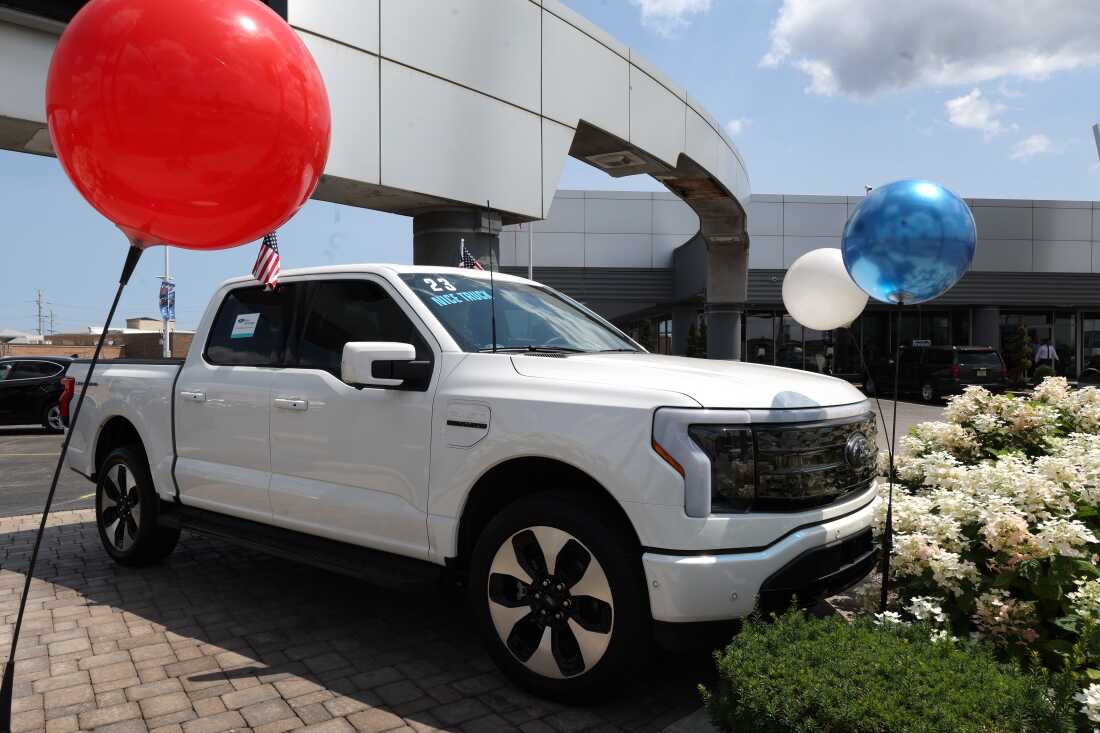
Ford Motor Company has officially ended production of the all-electric F-150 Lightning, bringing a premature close to one of the most ambitious chapters in the automaker’s push toward full electrification. Once billed as a breakthrough vehicle that would redefine America’s best-selling pickup for the electric age, the Lightning is being shelved as Ford recalibrates its electric vehicle strategy in response to economic pressures, shifting consumer demand, and intensifying competition.
When Ford unveiled the F-150 Lightning in 2021, expectations were high. The company promised a powerful, zero-emissions version of its iconic truck, complete with rapid acceleration, innovative features such as a massive front trunk, and the ability to power homes and job sites during outages. Early interest was strong, and the Lightning quickly became a symbol of Detroit’s determination to compete with electric vehicle pioneers and meet increasingly strict emissions standards.
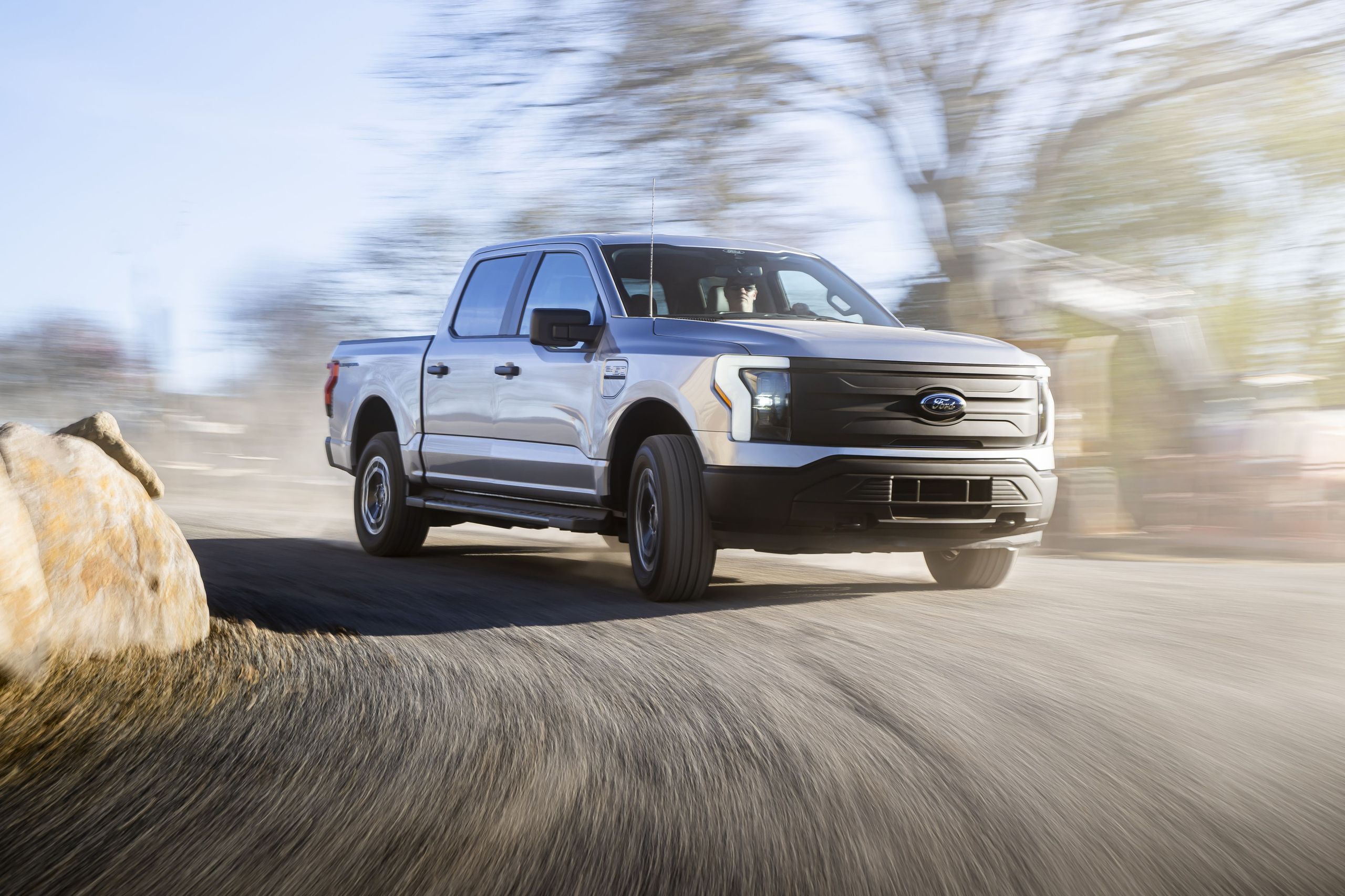
However, translating that excitement into sustained sales proved difficult. As production ramped up, the Lightning faced a combination of rising battery costs, supply chain disruptions, and pricing challenges. Initial promises of an affordable electric pickup gave way to higher sticker prices, putting the Lightning out of reach for many traditional truck buyers. At the same time, broader concerns about charging infrastructure, cold-weather performance, towing range, and resale value continued to weigh on consumer confidence.
Ford executives acknowledged that the market for large, fully electric pickup trucks has not developed as quickly as anticipated. While early adopters and commercial fleets embraced the Lightning’s technology, mainstream buyers—who make up the bulk of F-150 customers—have been slower to transition away from gasoline and hybrid models. As a result, inventories grew and production was scaled back several times before the company ultimately decided to discontinue the model altogether.
The decision reflects a wider reassessment taking place across the auto industry. Automakers that once projected rapid, linear growth in EV adoption are now grappling with a more complex reality. Inflation, higher interest rates, and uncertainty around government incentives have made consumers more cautious about big-ticket purchases. At the same time, manufacturers are under pressure to balance long-term electrification goals with short-term profitability.
For Ford, the Lightning had become a costly endeavor. The company invested billions of dollars in dedicated production facilities, battery development, and software systems tailored specifically to the electric truck. While the Lightning earned praise from critics and won multiple industry awards, those accolades were not enough to offset losses in Ford’s electric vehicle division.
Ending production does not mean Ford is abandoning electrification altogether. Instead, the company is shifting focus toward a more diversified approach that emphasizes hybrid vehicles, smaller and more affordable electric models, and extended-range electric vehicles that combine battery power with onboard generators. Ford believes this strategy better aligns with current customer preferences, particularly in the pickup and SUV segments where range, convenience, and flexibility remain top priorities.
The Lightning name itself is expected to live on. Ford has signaled that future versions of the F-150 may carry the Lightning badge in new forms, including potential range-extended configurations designed to address the limitations of fully electric trucks. Such vehicles would aim to deliver electric driving for daily use while offering the long-distance capability and refueling ease that truck owners rely on.
Workers and suppliers connected to the Lightning program now face an uncertain transition. Ford has said it will reassign employees where possible and repurpose parts of its electric vehicle infrastructure for other projects, including energy storage and next-generation battery technologies. Still, the move underscores the volatility of the EV transition and the challenges of reshaping a century-old manufacturing ecosystem.

For consumers who already own an F-150 Lightning, Ford has committed to continuing service, software updates, and warranty support. Used Lightning models are expected to remain on the road for years to come, and the truck’s influence on design and technology will likely persist in future Ford vehicles.
The end of the all-electric F-150 Lightning marks a notable moment in automotive history. It highlights both the promise and the pitfalls of rapid electrification, especially in segments deeply rooted in tradition and practicality. While the Lightning may not have achieved the long-term success Ford envisioned, it played a crucial role in pushing innovation forward and testing the boundaries of what an electric pickup could be.
As Ford looks ahead, the company faces the ongoing challenge of balancing ambition with realism. The road to electrification is proving to be less straightforward than once imagined, and the fate of the F-150 Lightning serves as a reminder that even iconic nameplates must evolve carefully in a rapidly changing market.