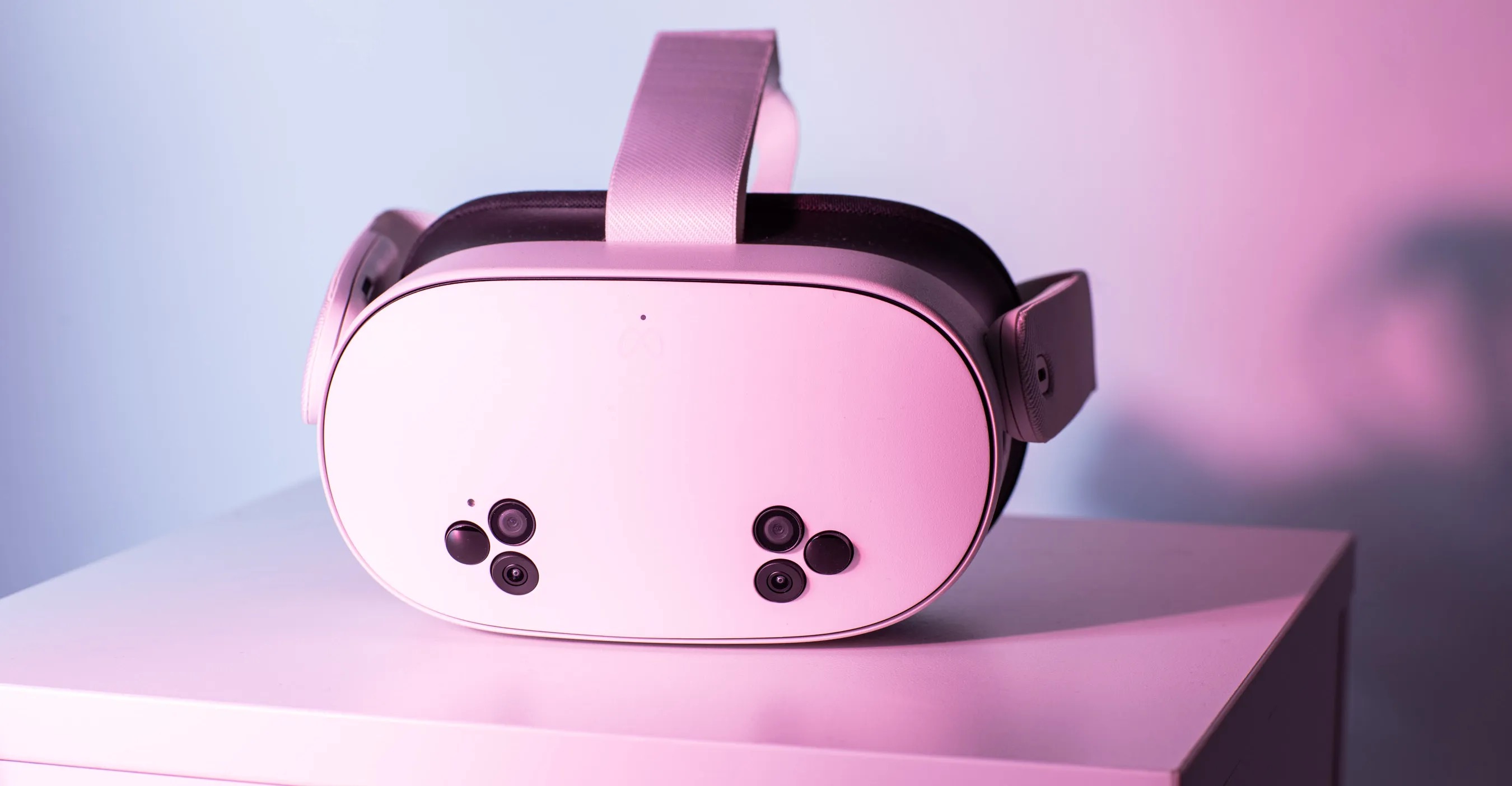
Meta Platforms has paused its program to bring third-party virtual reality headsets powered by Horizon OS to market, marking a notable shift in the company’s approach to building the VR ecosystem. The decision effectively halts plans for external hardware makers to launch headsets based on Meta’s operating system, at least for the foreseeable future, as the company refocuses on its own first-party devices and software.
The third-party Horizon OS initiative was unveiled with the ambition of expanding Meta’s influence beyond its Quest lineup. By allowing other manufacturers to build VR and mixed-reality headsets using Horizon OS, Meta hoped to replicate a model similar to Android’s success in smartphones: a shared software platform supporting a diverse range of hardware, price points, and use cases. Partners such as Asus and Lenovo were expected to develop devices aimed at gamers, enterprise users, and other niche audiences, potentially broadening the appeal of VR.

However, Meta has now confirmed that the program is on pause. According to the company, the decision is intended to allow greater focus on delivering high-quality first-party hardware and experiences that can drive adoption of virtual reality more effectively. While Meta has emphasized that it remains committed to VR in the long term, it has not provided a timeline for when—or if—the third-party program might resume.
The pause reflects the realities of a VR market that has grown more slowly than many industry leaders initially anticipated. Despite years of investment, virtual reality remains a relatively niche category compared with smartphones or personal computers. Convincing consumers to adopt headsets has proven challenging due to factors such as cost, comfort, and the limited number of must-have applications. For Meta, ensuring that its own Quest devices continue to improve in usability, performance, and content may be seen as a more direct way to grow the market than supporting multiple external hardware partners.
Another factor behind the move appears to be internal prioritization. Meta has been under pressure to rein in spending at its Reality Labs division, which oversees VR and AR development and has posted multibillion-dollar losses for several years. By concentrating resources on first-party products, the company can streamline development, reduce complexity, and maintain tighter control over the user experience. Supporting third-party manufacturers requires significant engineering, software support, and coordination—resources that Meta may now prefer to allocate elsewhere.
The decision also highlights the tension between openness and control in platform strategy. An open ecosystem can drive innovation and hardware diversity, but it also risks fragmentation and inconsistent quality. By keeping Horizon OS closely tied to its own devices, Meta can ensure a more uniform experience for developers and consumers alike. This approach mirrors the company’s recent emphasis on polish and integration, particularly as it competes with other major technology players entering the extended reality space.

For partners such as Asus and Lenovo, the pause introduces uncertainty. Both companies were expected to leverage their expertise in gaming and enterprise hardware to create differentiated VR products that could stand apart from Meta’s Quest line. With the program halted, those projects may be delayed indefinitely or canceled outright, forcing partners to reconsider their XR strategies or explore alternative platforms.
Industry analysts note that the pause could have mixed implications for the broader VR ecosystem. In the short term, Meta’s renewed focus on first-party hardware could lead to more refined and competitive Quest devices, benefiting consumers who prioritize simplicity and strong software support. In the longer term, however, the absence of third-party Horizon OS headsets may limit experimentation and reduce the range of available devices, potentially slowing innovation.
The move also comes as competition in immersive computing intensifies. Other technology companies are investing heavily in mixed reality, spatial computing, and AI-powered wearables, raising the stakes for Meta’s next steps. Rather than spreading its efforts across multiple hardware partners, Meta appears intent on sharpening its core offerings and ensuring that its own products can stand out in an increasingly crowded field.
Despite pausing the third-party program, Meta has been careful not to frame the decision as a permanent retreat from openness. Company representatives have suggested that partnerships could be revisited in the future, depending on market conditions and technological progress. For now, however, the emphasis is firmly on first-party development and on proving that Meta’s vision for VR can achieve broader consumer appeal.
Ultimately, the pause underscores the challenges of building a mass-market VR ecosystem. While the idea of an open, multi-manufacturer platform remains appealing, Meta’s latest move suggests that the company believes success in virtual reality will depend first on delivering compelling, accessible devices under its own brand. Whether this strategy accelerates adoption—or limits the diversity that could help VR reach new audiences—will become clearer in the years ahead.