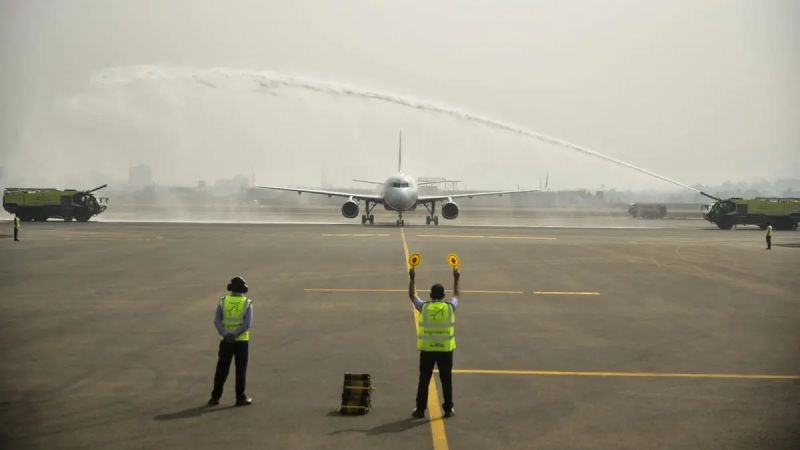
The long-awaited Navi Mumbai International Airport is set to begin commercial flight operations from December 25, marking a transformative moment for India’s aviation sector and the Mumbai Metropolitan Region. The launch of the new airport is expected to significantly reduce congestion at Mumbai’s existing airport while opening new avenues for connectivity, economic growth, and urban development.
The start of commercial flights comes after years of planning, land acquisition, construction, and regulatory clearances. Designed to serve as Mumbai’s second major aviation hub, the airport is being inaugurated at a time when passenger traffic in the region continues to grow steadily, straining the capacity of existing infrastructure. Authorities view the December 25 launch as both symbolic and strategic, aligning with the year-end travel season while signaling readiness for full-scale operations.
In its initial phase, Navi Mumbai International Airport will handle domestic flights, with select airlines operating services to major Indian cities. The phased approach allows airport authorities to ensure operational efficiency, safety, and smooth passenger movement before expanding flight schedules and destinations. International operations are expected to follow in later stages as the airport scales up capacity and completes additional infrastructure development.
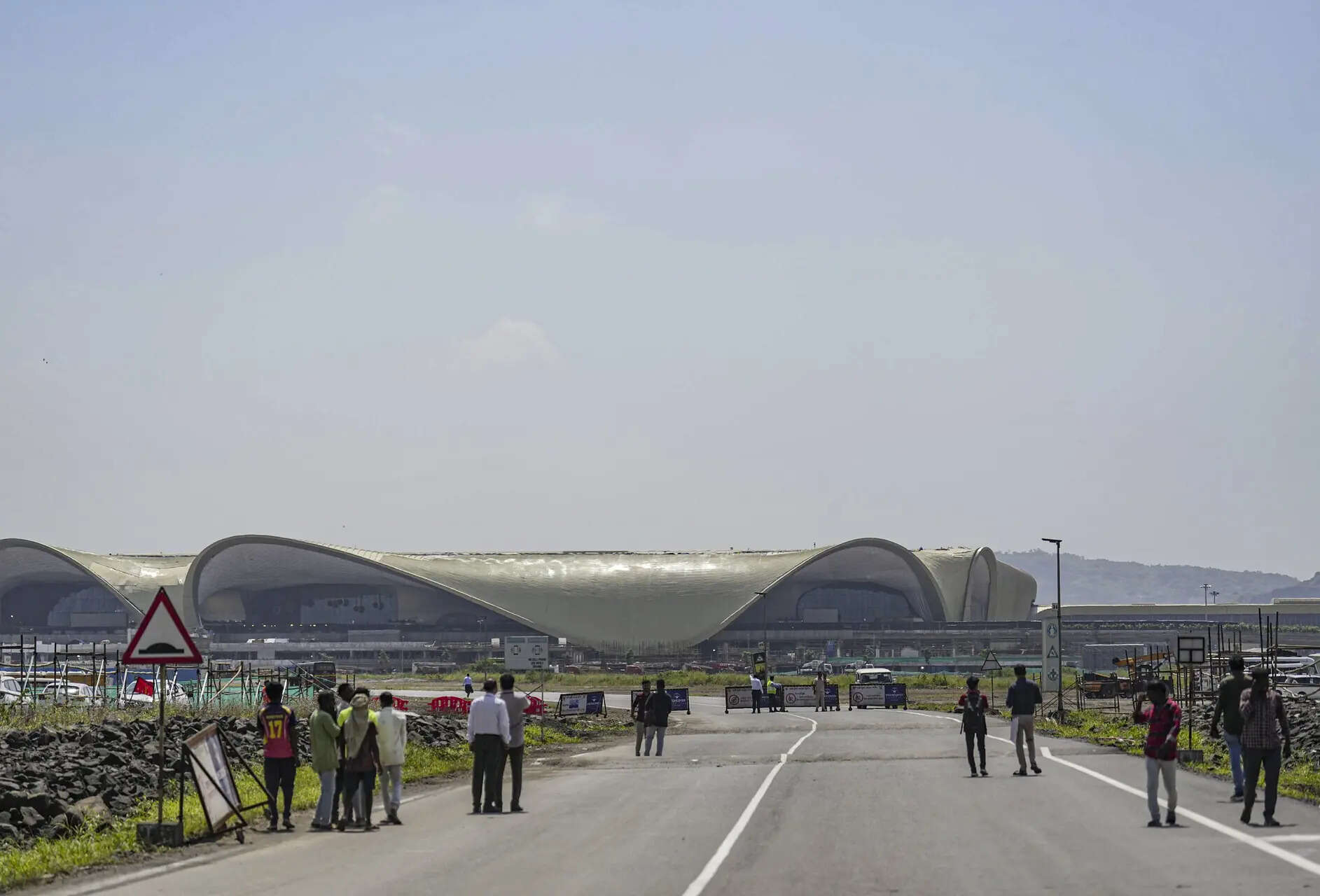
The airport’s terminal has been built with a strong emphasis on passenger convenience and modern design. Equipped with advanced check-in systems, automated baggage handling, efficient security screening, and spacious waiting areas, the facility aims to deliver a seamless travel experience. Digital integration, real-time information systems, and accessibility-friendly features have been incorporated to meet the expectations of contemporary travelers.
One of the key objectives behind the development of Navi Mumbai International Airport is to decongest Mumbai’s primary airport, which has long operated near maximum capacity. With limited scope for expansion at the existing facility, the new airport offers much-needed additional runway and terminal capacity. Aviation planners believe this dual-airport system will help accommodate future growth in passenger and cargo traffic while improving operational resilience for the region.
Connectivity remains central to the airport’s long-term success. Road infrastructure linking the airport to Navi Mumbai, Mumbai, Thane, and surrounding districts has been strengthened, with further improvements underway. Plans to integrate the airport with suburban rail networks and upcoming metro lines are expected to enhance accessibility, reduce travel time, and encourage wider usage. These multimodal connections are critical to ensuring that the airport functions as a truly regional gateway.
Beyond aviation, the airport is expected to act as a powerful economic engine. Thousands of direct jobs in airport operations, airline services, security, and ground handling are anticipated, alongside indirect employment in hospitality, logistics, retail, and transportation. The surrounding region is already witnessing increased investment interest, with new commercial developments, hotels, and business hubs expected to emerge in the coming years.
The airport’s opening is also likely to reshape Navi Mumbai’s urban identity. Once envisioned primarily as a planned satellite city, Navi Mumbai is now positioned to become a major economic and transportation hub in its own right. Improved air connectivity is expected to boost tourism, attract corporate investment, and support the growth of knowledge-based and service industries.
Operational readiness has been a key focus in the run-up to the December 25 launch. Authorities have conducted extensive trials to test airport systems, security arrangements, emergency protocols, and passenger handling processes. These exercises are aimed at ensuring that the first commercial flights operate smoothly and set a high standard for future operations.

Airlines are expected to benefit from the new airport’s modern infrastructure and reduced congestion. Improved turnaround times and operational flexibility could allow carriers to optimize schedules and expand route networks. For passengers, this may result in more travel options, competitive fares, and improved punctuality, particularly for those residing in Navi Mumbai and neighboring areas.
Sustainability has also been integrated into the airport’s design philosophy. Energy-efficient systems, water conservation measures, and environmentally conscious construction practices reflect efforts to balance infrastructure expansion with ecological responsibility. These measures align with broader national goals of promoting sustainable urban and transport development.
As commercial flights prepare to take off on December 25, Navi Mumbai International Airport stands as a landmark achievement in India’s infrastructure journey. Its opening signals a new chapter for the region—one defined by enhanced connectivity, economic opportunity, and long-term growth. For the Mumbai Metropolitan Region, the airport is not merely an additional facility but a strategic investment in the future of mobility and development.
With its runways ready and terminals prepared to welcome passengers, Navi Mumbai is poised to make its mark on India’s aviation map, reshaping how the country’s financial capital connects with the nation and the world.