French President Emmanuel Macron is preparing to introduce one of Europe’s toughest digital regulations for children, with plans to ban access to social media platforms for users under the age of 15 beginning in September 2026. The proposal, reported by Le Monde, marks a significant escalation in France’s efforts to rein in the influence of social media on young people and could place the country at the forefront of global debates over child safety, technology, and online regulation.
According to the report, the French government is working on draft legislation that would prohibit social media companies from allowing children under 15 to create or maintain accounts. Unlike earlier measures that relied heavily on parental consent or voluntary compliance by platforms, the proposed ban would place direct legal responsibility on companies to prevent access by underage users. If enacted, the law would take effect at the start of the 2026–27 academic year, aligning with broader reforms to digital policies in schools.
Macron has repeatedly voiced concerns about the impact of social media on children and adolescents, arguing that excessive screen time and unregulated online content contribute to anxiety, addiction, cyberbullying, and exposure to violence. In recent years, he has linked online platforms to broader social problems, including the spread of hate speech and the rapid circulation of harmful content following violent incidents. The proposed ban reflects his belief that stronger, enforceable limits are needed to protect minors in an increasingly digital society.

France already has laws aimed at curbing children’s access to social media. In 2023, the country introduced rules requiring parental consent for users under 15 to open social media accounts. However, enforcement has proven difficult, with children often bypassing age checks and platforms relying on self-declared information. The new proposal acknowledges these shortcomings by shifting the burden away from families and onto technology companies themselves.
Under the planned framework, social media firms would be expected to implement robust age-verification systems capable of reliably determining whether a user is above the legal threshold. Failure to comply could result in significant penalties, potentially including fines or restrictions on operating in the French market. While details of enforcement mechanisms are still being refined, the government is expected to face intense scrutiny over how age verification can be achieved without compromising user privacy or data protection.
The proposal is part of a broader push by the Macron administration to regulate digital life for young people. In parallel with the social media ban, France is also considering extending existing restrictions on mobile phone use in schools. Mobile phones are already banned in primary and middle schools, and the government is exploring whether similar limits should apply to high schools from 2026. Supporters argue that reducing phone use in educational settings can improve concentration, learning outcomes, and social interaction among students.
Politically, the move positions Macron as a strong advocate for child protection at a time when concerns about youth mental health are rising across Europe. It also reflects growing international momentum around stricter controls on children’s access to digital platforms. Several countries have begun exploring or implementing age-based restrictions, and France’s proposal could influence discussions at the European Union level, where policymakers have struggled to agree on uniform standards.
However, the plan is not without controversy. Critics warn that an outright ban could be difficult to enforce in practice and may drive young users toward less regulated or underground platforms. Digital rights groups have also raised concerns about the implications of mandatory age verification, arguing that such systems could lead to increased data collection and surveillance. Some parents and educators question whether banning social media entirely for under-15s addresses the root causes of online harm, or whether education and digital literacy would be more effective tools.
The tech industry is also expected to push back against the proposal. Social media companies have long argued that age verification at scale is technologically complex and costly, particularly in countries with strict data protection laws. They may lobby for alternative approaches, such as enhanced parental controls or improved content moderation, rather than a blanket ban.
Despite these challenges, public opinion in France appears increasingly supportive of tougher measures. Surveys in recent years have shown widespread concern among parents about children’s screen time and online exposure. Many see stronger regulation as overdue, particularly as social media platforms continue to play a central role in young people’s lives.
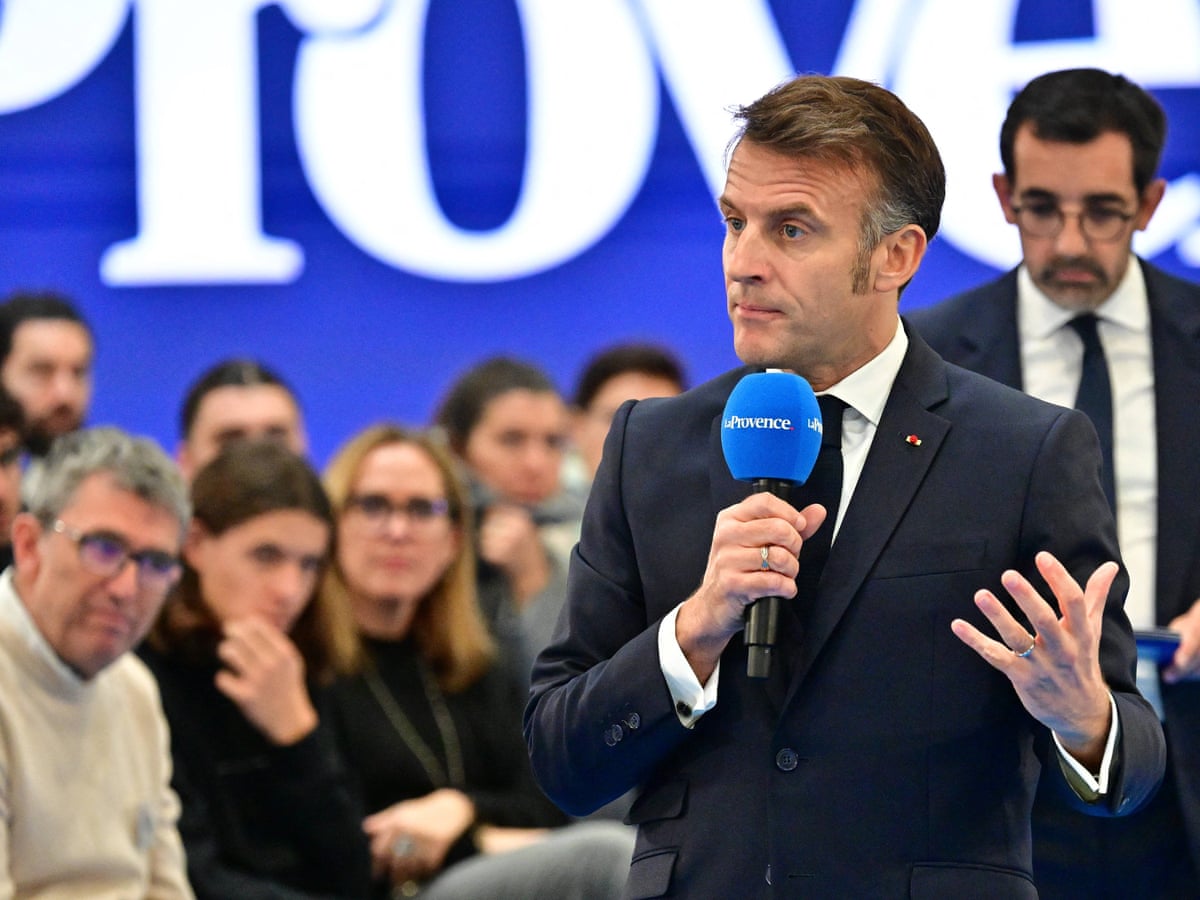
If the legislation moves forward as planned, it will be submitted for legal review and parliamentary debate in 2026. Lawmakers are likely to amend key provisions as the bill makes its way through the National Assembly and Senate. The final shape of the law will depend on how the government balances child protection, technological feasibility, and civil liberties.
Should it pass, France would become one of the first major European countries to impose a legally binding social media ban on children under 15. The move would send a strong signal to both tech companies and other governments, potentially reshaping the global conversation about how societies regulate digital spaces for the next generation.