A series of federal court rulings has cleared the way for the immediate restart of offshore wind construction projects across the United States, reversing a government-imposed halt that had paused multiple large-scale developments along the East Coast. The decisions mark a major turning point for the country’s offshore wind industry, which had faced months of uncertainty following stop-work directives issued on regulatory and security grounds.
The latest ruling came from a U.S. district court that granted an injunction allowing the final remaining suspended project to resume construction. With that decision, all major offshore wind farms previously covered by federal suspension orders are now legally permitted to restart work while broader legal challenges continue in the courts.
The halted projects represent several of the most advanced offshore wind developments in the country, involving billions of dollars in investment, long-term state power purchase agreements, and extensive supply chain commitments. Many were already under active construction when the suspension orders were issued, forcing developers to pull back vessels, delay turbine installation, and pause offshore and onshore infrastructure work.
Judges reviewing the cases concluded that the government agencies involved had not provided sufficient legal justification for imposing sweeping stop-work orders across multiple permitted projects. In granting preliminary injunctions, the courts found that developers were likely to suffer significant financial and operational harm if construction remained frozen. The rulings emphasized that regulatory agencies must follow established procedures and present clear evidence when intervening in previously approved energy projects.
The court decisions do not permanently settle the underlying disputes but allow construction to proceed during litigation. Legal experts say this effectively restores momentum to the sector in the near term, even as appeals or additional regulatory actions remain possible.
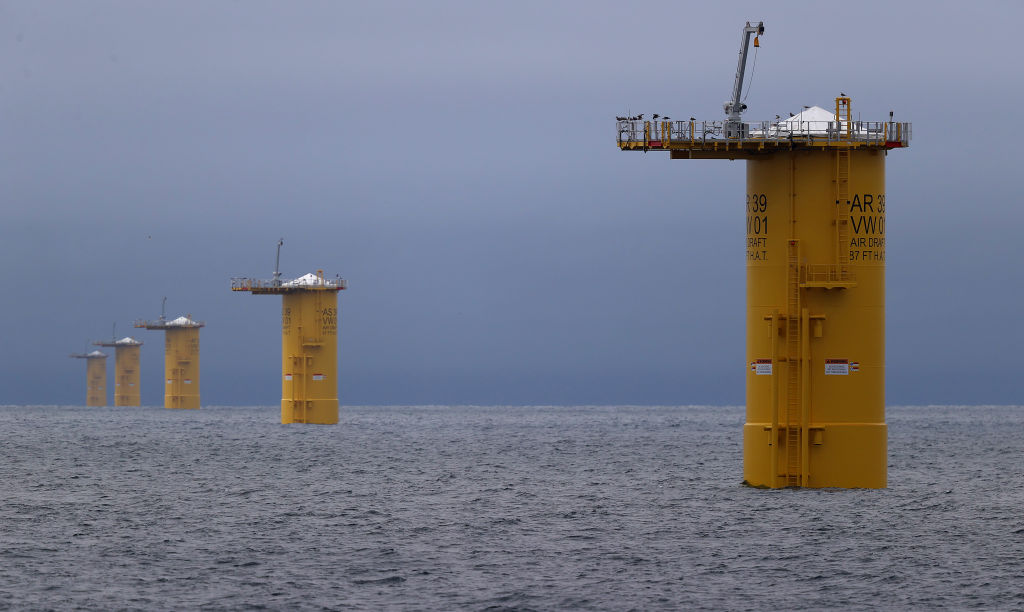
Offshore wind developers welcomed the rulings, calling them a necessary correction that protects regulatory certainty and investor confidence. Several companies had warned that prolonged delays could jeopardize financing arrangements, disrupt specialized vessel schedules, and trigger contract penalties across manufacturing and installation networks. Offshore wind projects rely on tightly coordinated logistics, and missed construction windows can push timelines back by months or even years.
Industry groups noted that many of the affected projects had already completed extensive environmental reviews and received federal and state approvals before construction began. Developers argued that abrupt suspension orders undermined predictable permitting frameworks and risked discouraging future infrastructure investment.
The restarted projects are expected to deliver several gigawatts of renewable electricity capacity once completed, enough to power millions of homes. Many are tied to state-level clean energy targets that require rapid expansion of non-fossil-fuel power generation. State governments that support offshore wind had joined or backed legal challenges against the construction halt, arguing that the pause threatened grid planning and climate commitments.

Labor unions and port authorities also expressed support for the restart, citing job impacts. Offshore wind construction supports a wide range of roles, from turbine manufacturing and foundation fabrication to marine transport and electrical grid connection work. Several coastal ports have invested heavily in specialized facilities to serve as staging areas for turbine assembly and deployment.
Opponents of the projects, including some coastal community groups and fishing industry representatives, have raised concerns about environmental disruption, navigation safety, and economic impacts on maritime activity. Some had supported the government’s decision to pause construction pending additional review. Those groups may continue to pursue separate legal or regulatory challenges even as construction resumes.
Energy analysts say the court rulings highlight the growing legal and political complexity surrounding large-scale renewable energy infrastructure in the United States. While offshore wind is widely viewed by policymakers as a key component of long-term decarbonization strategy, projects often face overlapping jurisdictional reviews, stakeholder objections, and shifting federal priorities.
The cases also underscore the judiciary’s role in reviewing executive branch actions affecting energy development. By granting injunctions, courts signaled that sudden policy reversals affecting permitted projects must meet clear legal standards and demonstrate documented necessity rather than broad precautionary claims.
Developers are now expected to remobilize crews and equipment as quickly as possible. However, restarting offshore construction is not as simple as flipping a switch. Specialized installation vessels must be rescheduled, weather windows reassessed, and supply deliveries re-coordinated. Even with legal clearance, some projects may experience lingering timeline adjustments due to the interruption.
Financial markets reacted positively to the news, with several companies involved in offshore wind development and supply chains seeing improved investor sentiment. Analysts say restoring construction activity reduces risk projections that had grown during the suspension period.
Looking ahead, the broader legal disputes over the government’s authority to halt permitted offshore wind projects will continue through the court system. Final rulings could shape how future administrations manage energy project oversight and emergency intervention powers. For now, though, the immediate effect is clear: offshore wind construction in the United States is back underway.
The restart represents a significant boost for a sector that many energy planners view as essential to diversifying the national power mix. With court backing secured for the moment, developers are moving forward again — racing to install turbines, connect transmission lines, and bring large-scale offshore renewable energy closer to full operation.