In a significant relief for exporters and trade stakeholders, the United States has removed the additional 25 percent tariff that had been imposed on a range of Indian goods, according to a newly issued rule notification by U.S. Customs and Border Protection (CBP). The move marks an important shift in the tariff treatment of Indian-origin products entering the American market and is expected to ease cost pressures on importers while improving competitiveness for Indian exporters.
The updated customs notification clarifies that Indian goods will no longer attract the extra 25 percent duty that had been levied under a punitive tariff measure introduced last year. The additional tariff had applied across multiple product categories and had substantially increased the landed cost of Indian exports in the U.S., affecting sectors from manufacturing and engineering goods to textiles, processed foods, and specialty chemicals.
With the rule change now in effect, eligible Indian-origin products entering the United States will be assessed under standard applicable duties rather than the previously enforced surcharge. Customs authorities have updated their tariff guidance and classification instructions to reflect the withdrawal of the additional levy.
The earlier 25 percent tariff had been introduced as part of a broader trade enforcement action linked to geopolitical and strategic policy concerns. It functioned as an add-on duty, meaning it was charged on top of existing tariffs and fees, sharply raising total import costs. Industry bodies had repeatedly flagged that the measure created pricing disadvantages for Indian suppliers compared to exporters from other countries not subject to similar penalties.
Trade experts say the rollback will immediately improve the cost structure for U.S. importers sourcing from India and could help restore order volumes that had slowed or shifted after the surcharge took effect. Several exporters had reported renegotiated contracts, delayed shipments, and thinner margins due to the added duty burden.

According to customs guidance, the removal applies to goods of Indian origin that are entered for consumption or withdrawn from bonded warehouses on or after the effective implementation date mentioned in the notification. Importers and customs brokers are being advised to review entry filings carefully to ensure correct tariff treatment under the revised rule.
One key operational question following the announcement concerns refunds and adjustments for shipments that were assessed the additional duty shortly before the rollback. Trade compliance professionals note that in such cases, importers may be able to pursue post-entry corrections or file claims where permitted under customs procedures, depending on timing and documentation. However, eligibility will depend on entry dates and specific filing status.
Industry associations in India have welcomed the development, calling it a timely boost amid ongoing global trade uncertainties and fluctuating demand conditions. Export-oriented sectors, especially small and medium enterprises, had been disproportionately affected by the added tariff because they operate on tighter margins and have less flexibility to absorb sudden cost increases.
Exporters in sectors such as garments, handicrafts, auto components, industrial supplies, and specialty materials are expected to benefit the most. Many of these segments rely heavily on the U.S. as a primary or secondary destination market. Lower tariff barriers could help Indian firms regain price parity and improve their negotiating position with overseas buyers.
U.S.-based importers and distributors have also reacted positively, noting that the removal simplifies pricing and reduces compliance complexity. When special punitive tariffs are in place, companies often need separate accounting lines, product exclusions analysis, and additional documentation — all of which increase administrative overhead.
Despite the rollback of the additional 25 percent duty, trade analysts caution that this does not automatically mean zero or preferential tariffs across all Indian goods. Standard Most Favored Nation (MFN) rates and any other applicable duties under existing trade laws will continue to apply. Companies are therefore being urged to review product-level classifications rather than assume blanket duty-free treatment.
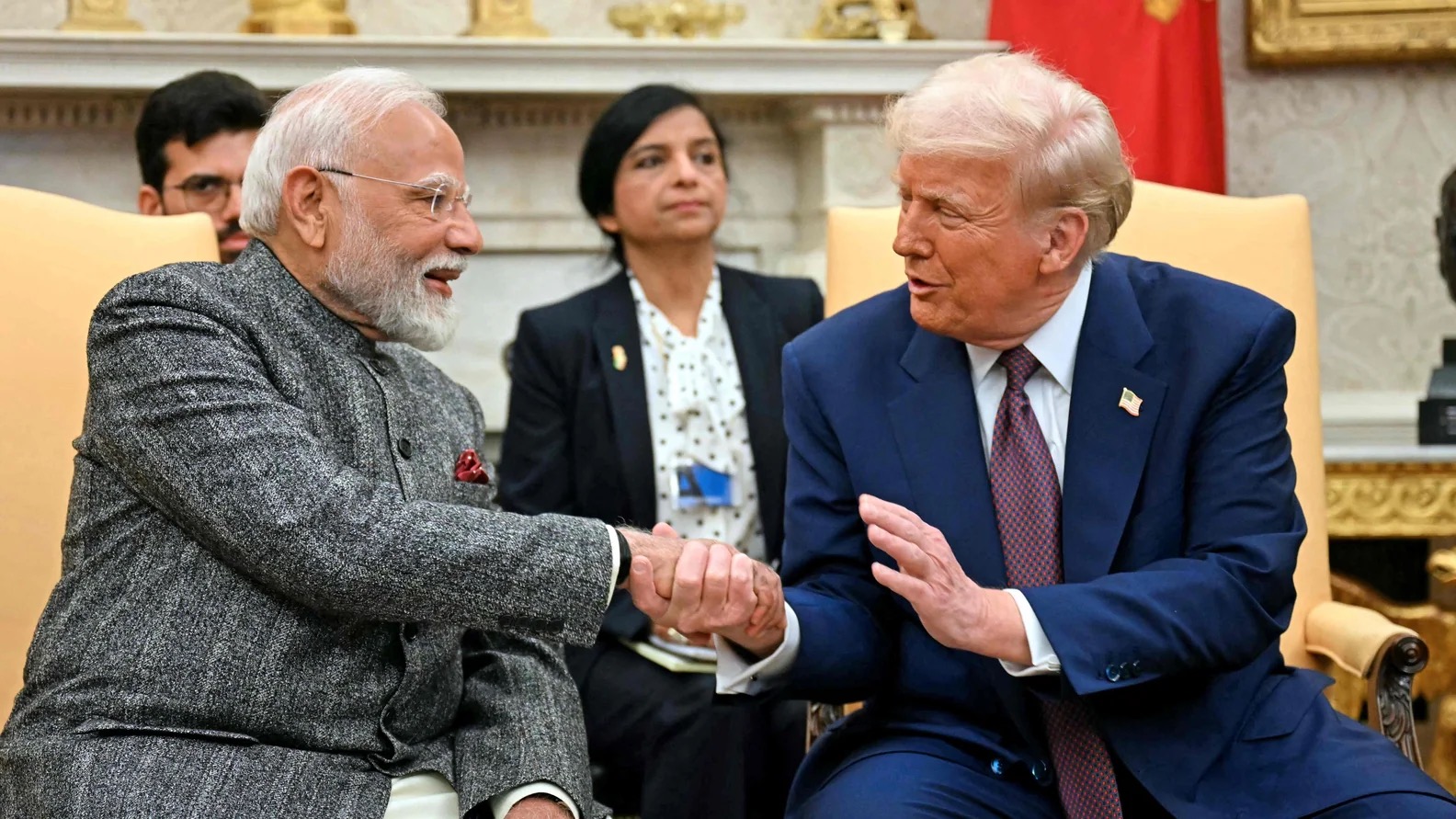
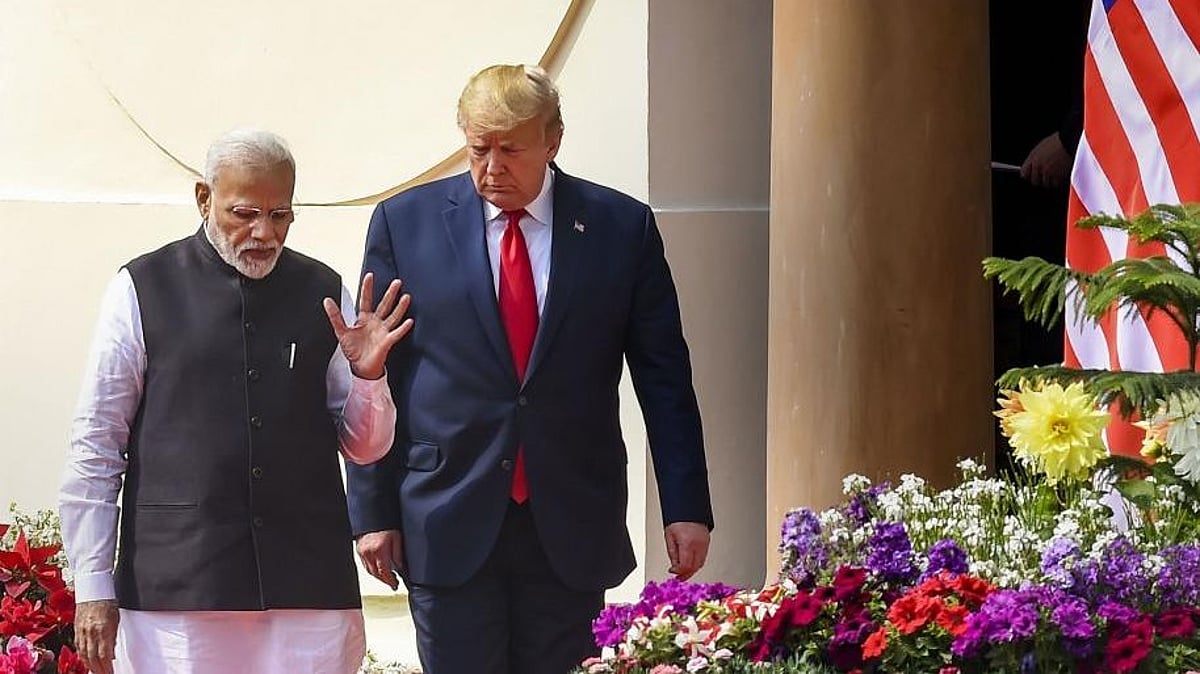
The tariff adjustment comes at a time when both India and the United States are working to stabilize and expand bilateral trade ties. Policymakers on both sides have emphasized supply chain resilience, diversification, and strategic economic cooperation. Reducing tariff friction is widely seen as one pathway to supporting these broader goals.
Over the past decade, the U.S. has remained one of India’s largest trading partners, with two-way trade spanning goods and services across technology, pharmaceuticals, energy, agriculture, and manufacturing. Changes in tariff policy between the two countries tend to have immediate and visible commercial effects due to the scale and diversity of trade flows.
Market watchers say the customs notification sends a signal of de-escalation in tariff tensions and may create space for more structured trade negotiations going forward. Businesses, however, remain cautious and are watching for further clarifications, especially regarding product coverage details and procedural guidance for entries filed around the transition period.
For now, exporters, importers, and logistics providers are updating their compliance systems to reflect the new rule. Many firms are expected to recalculate pricing, reopen paused contracts, and accelerate shipments that were previously slowed due to tariff uncertainty.
The removal of the additional 25 percent tariff does not just change duty calculations — it also resets expectations. For Indian exporters seeking stable access to the U.S. market, and for American buyers looking for competitive sourcing options, the revised customs rule represents a meaningful and immediate shift in the trade landscape.