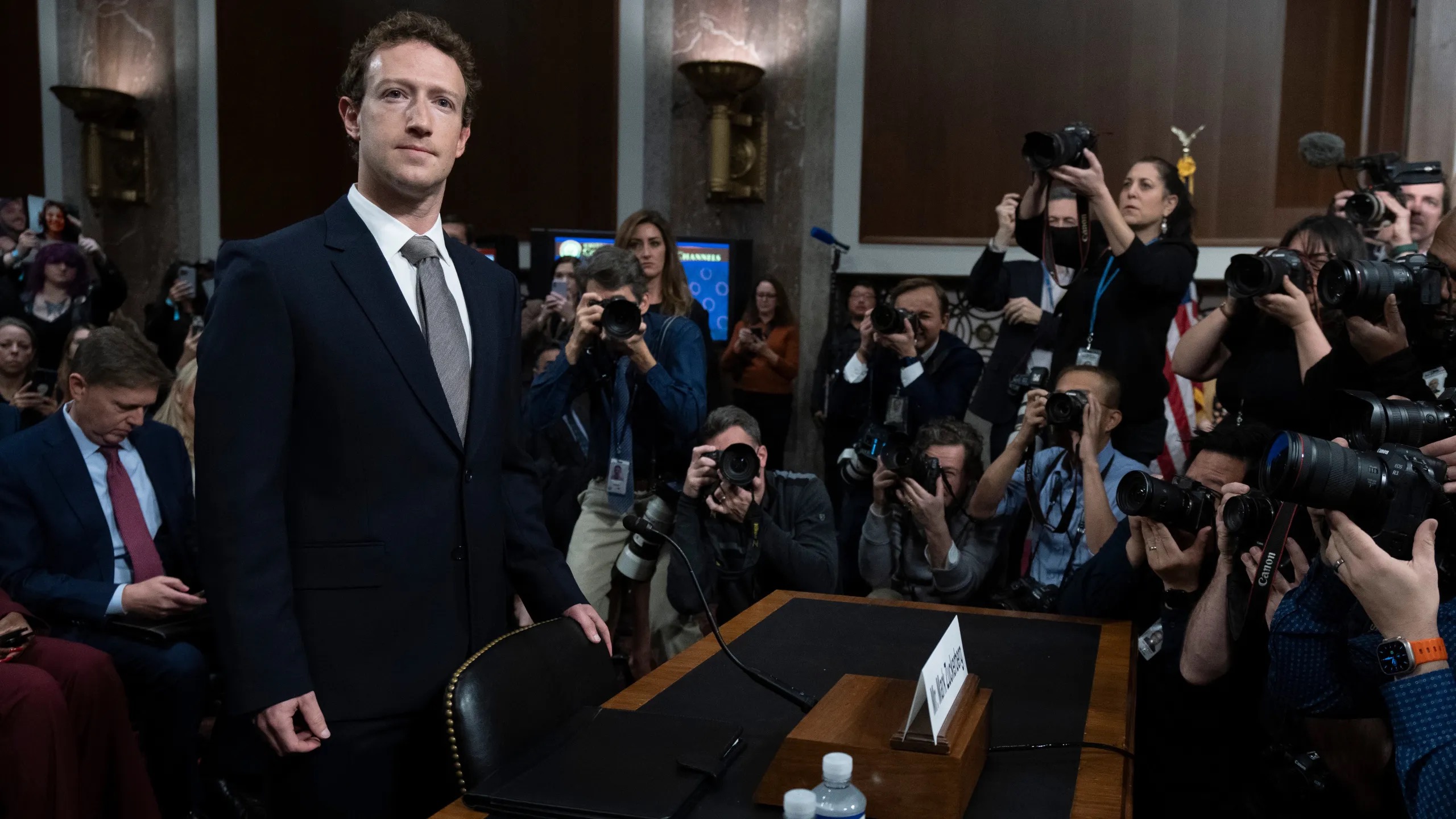
Top technology executives from some of the world’s largest social media and digital platform companies are set to appear before lawmakers in Washington as concerns over children’s online safety continue to intensify across the United States. The planned testimony at the U.S. Capitol marks the latest effort by Congress to hold major technology firms accountable for the impact their platforms may have on young users.
The hearing, expected to take place before the Senate Judiciary Committee, will bring together executives from companies including Meta, Google, TikTok, and Snap. Lawmakers are preparing to question the leaders on a wide range of issues involving social media addiction, harmful online content, cyberbullying, data privacy, and the mental health effects of digital platforms on children and teenagers.
The move reflects growing bipartisan frustration in Washington over what many lawmakers describe as insufficient action by technology companies to protect minors online. Over the past several years, concerns surrounding social media’s influence on young users have expanded from isolated incidents into a broader political and public debate involving parents, educators, psychologists, and child safety advocates.
Members of Congress are expected to press executives on how their platforms recommend content to children, how algorithms may amplify harmful material, and what safeguards exist to prevent minors from being exposed to dangerous or inappropriate content. Senators are also likely to question whether technology firms are doing enough to prevent online exploitation, harassment, and predatory behavior.
The hearing comes amid increasing pressure on Silicon Valley from both regulators and the public. In recent years, multiple reports and internal company documents have raised concerns about how certain platform features may contribute to anxiety, depression, body image issues, and addictive behavior among teenagers. Critics argue that social media companies have designed systems that maximize user engagement without adequately considering the psychological effects on younger audiences.
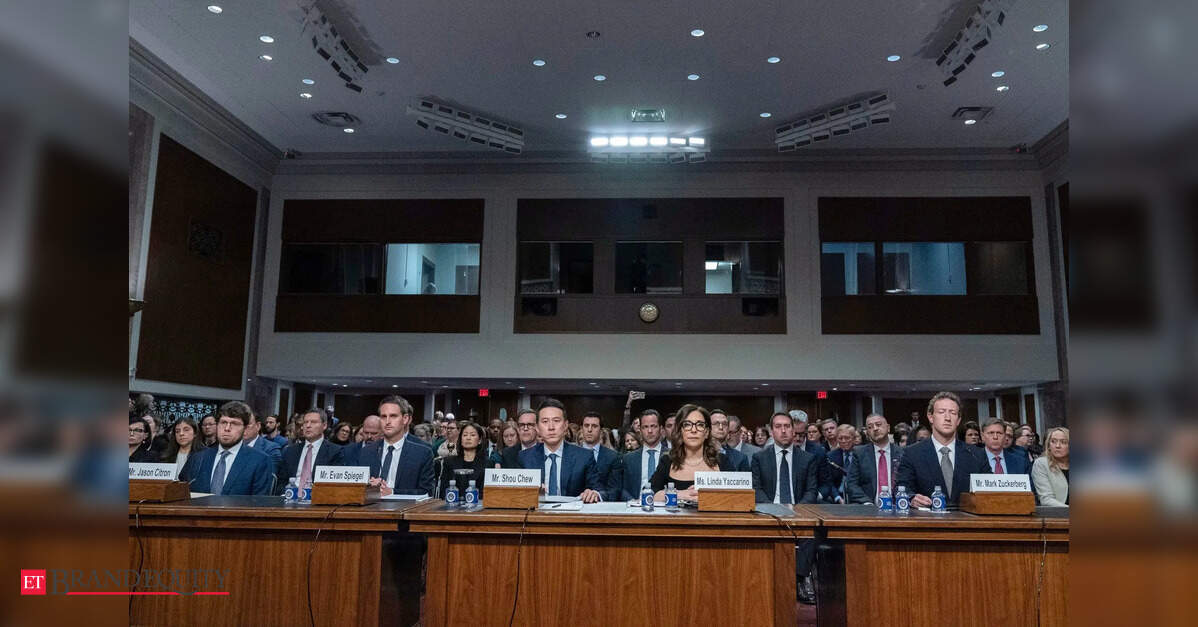
Several lawmakers have repeatedly accused major tech firms of placing profits and advertising revenue ahead of child welfare. According to critics, recommendation algorithms that prioritize highly engaging content can unintentionally push vulnerable users toward harmful videos, misinformation, self-harm content, or unhealthy online communities.
At the same time, technology companies have defended their efforts to improve online safety. Firms such as Meta, Google, and TikTok have introduced parental control tools, content moderation systems, screen-time management features, and artificial intelligence-based monitoring systems intended to detect harmful behavior. Executives have argued that keeping children safe online is a complex challenge that requires cooperation between governments, schools, parents, and the technology industry itself.
Still, many lawmakers remain unconvinced. Congressional leaders have increasingly called for stronger regulations that would force social media companies to adopt stricter protections for young users. Some senators are expected to use the hearing to push forward proposed legislation aimed at limiting harmful content exposure and increasing transparency around platform algorithms.
One proposal receiving renewed attention is the Kids Online Safety Act, commonly known as KOSA. The legislation seeks to impose a “duty of care” on digital platforms, requiring companies to take reasonable steps to prevent harm to minors using their services. Supporters argue that the bill would help create stronger standards for child safety across the internet, while opponents have expressed concerns about privacy and free speech implications.
The issue has also gained momentum at the state level. Several U.S. states have introduced or passed laws requiring parental consent for minors using social media platforms or restricting how companies can target younger audiences with content and advertisements. Legal battles over those measures are ongoing, but they reflect a broader national effort to redefine how technology companies interact with children online.
The upcoming Capitol Hill hearing is expected to be emotionally charged, especially as families affected by online abuse and exploitation continue to share personal stories about the dangers children can face on digital platforms. Previous congressional hearings on social media safety featured emotional testimony from parents whose children experienced cyberbullying, online harassment, or exposure to harmful content.
Lawmakers are likely to revisit those incidents while questioning executives about their companies’ responsibility in preventing similar cases in the future. Some senators have also suggested that stronger legal accountability may be necessary if companies fail to improve safety measures voluntarily.
For TikTok, the hearing could carry additional significance given the broader political scrutiny surrounding the platform in the United States. The company has faced repeated criticism from American lawmakers over concerns related to data privacy, foreign ownership, and national security. Although the hearing is focused primarily on child safety, questions about data practices and platform governance are also expected to emerge.

Industry experts say the hearing could become a defining moment in the ongoing debate over the regulation of technology platforms. While congressional hearings rarely produce immediate policy changes, they often shape public opinion and influence future legislation. Analysts believe the testimony could increase pressure on companies to adopt stricter protections before formal regulations are imposed.
The hearing also highlights how central social media has become in the lives of young people. Platforms once viewed primarily as entertainment or communication tools are now deeply embedded in education, culture, social interaction, and identity formation. As a result, the stakes surrounding online safety have grown significantly higher than they were a decade ago.
Technology companies now face the challenge of balancing user freedom, business growth, and platform engagement with increasing demands for accountability and child protection. Many experts believe this balance will define the next phase of the internet’s evolution.
As lawmakers prepare to question some of the most powerful figures in the technology industry, the hearing is expected to draw national attention and reignite debate over how far governments should go in regulating the digital experiences of children and teenagers. Whether the testimony leads to meaningful reforms remains uncertain, but it is clear that concerns over children’s online safety are becoming one of the defining technology policy issues of the modern era.