In the wake of a powerful earthquake striking Taiwan, the world’s leading semiconductor manufacturer, Taiwan Semiconductor Manufacturing Company (TSMC), has announced significant disruptions to its operations. The earthquake, which struck early this morning, prompted TSMC to halt some of its chipmaking processes and evacuate several of its facilities across the island.
The earthquake, with a magnitude of 6.5, shook buildings and rattled nerves across Taiwan, causing structural damage and triggering safety protocols at industrial sites. TSMC, a critical player in the global semiconductor supply chain, immediately initiated safety measures to protect its employees and ensure the integrity of its production facilities.
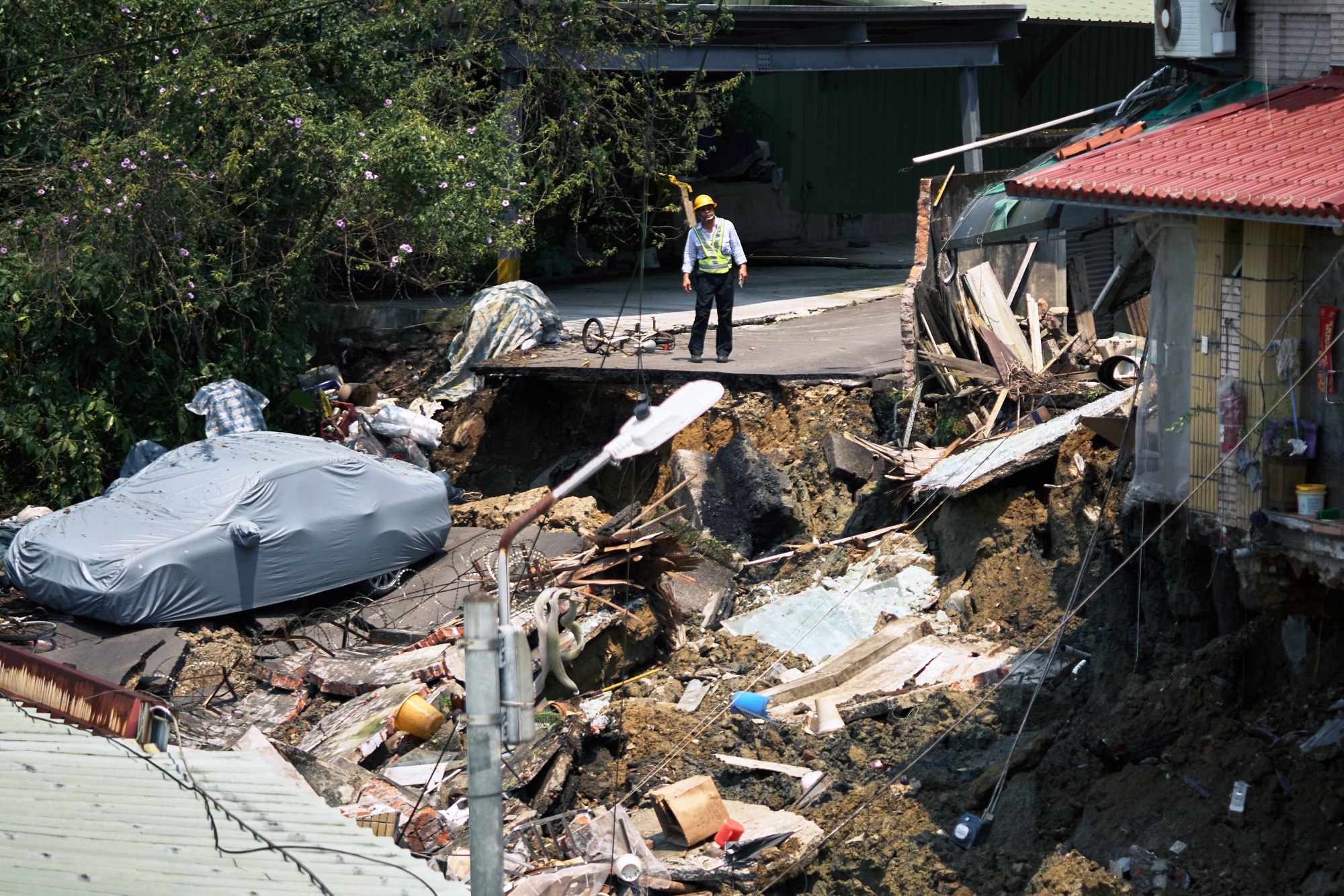
According to TSMC spokesperson Lin Cheng-hao, “The safety of our employees is our top priority. Following the earthquake, we implemented emergency evacuation procedures across several of our facilities to ensure the well-being of our staff and to assess any potential damage to our manufacturing equipment.”
The affected facilities include TSMC’s advanced chip fabrication plants located in Hsinchu and Tainan, where the company produces cutting-edge semiconductor chips for a wide range of clients, including major technology companies like Apple, Nvidia, and Qualcomm. TSMC’s fabs are critical to the global supply chain, supplying chips used in smartphones, computers, automobiles, and other electronic devices.
The temporary suspension of operations at TSMC’s facilities raises concerns about potential disruptions to the supply of semiconductors, which are already facing tight supply conditions due to increased demand and supply chain challenges exacerbated by the ongoing geopolitical tensions.
TSMC has assured its customers that it is working diligently to assess the impact of the earthquake on its operations and to resume production as soon as possible. However, the extent of the damage and the timeline for recovery remain uncertain, pending further evaluation of the affected facilities.

The earthquake in Taiwan underscores the vulnerability of the semiconductor industry to natural disasters and other unforeseen events. With Taiwan being a hub for semiconductor manufacturing, disruptions to production can have ripple effects throughout the global economy, affecting industries reliant on semiconductors for their products.
In response to the earthquake, shares of TSMC dipped slightly in early trading on the Taiwan Stock Exchange, reflecting investor concerns about the potential impact on the company’s financial performance in the short term.
As TSMC assesses the aftermath of the earthquake and works to restore normal operations, the incident serves as a stark reminder of the fragility of the global supply chain for critical technologies and the need for robust contingency plans to mitigate risks posed by natural disasters and other disruptions.