Elon Musk has clarified that SpaceX’s agreement to lease its powerful Colossus artificial intelligence computing infrastructure to AI startup Anthropic is limited to just six months, pushing back against reports suggesting the partnership was intended to be a long-term arrangement worth billions of dollars.
The announcement has drawn significant attention across the technology industry, where demand for advanced AI computing resources continues to rise rapidly. Musk’s comments shed new light on how major technology firms are approaching infrastructure partnerships in the increasingly competitive artificial intelligence race.
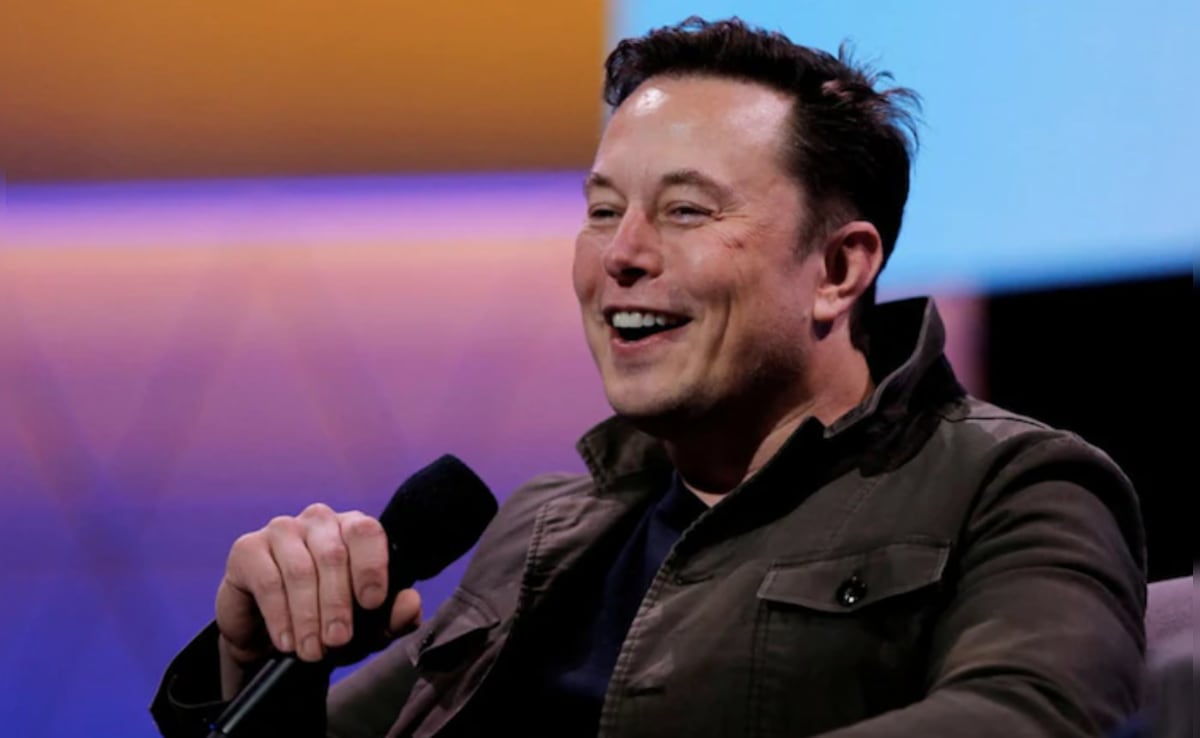
In a post shared on X, Musk stated that SpaceX intentionally structured the agreement as a short-term lease in order to maintain flexibility over its computing capacity. According to him, the company did not want to commit its AI systems to a long-duration contract while internal demand for computational power is also growing quickly.
The agreement reportedly allows Anthropic to use portions of the Colossus AI system for approximately six months, with options to renew or renegotiate depending on future business needs. Musk emphasized that both companies wanted room to adapt as the AI industry evolves at an extremely fast pace.
Colossus is among the largest AI supercomputing systems developed in recent years. Initially designed to support Musk’s AI ambitions through xAI and related ventures, the infrastructure includes massive clusters of advanced graphics processing units, or GPUs, used to train large language models and generative AI systems. Such computing systems are essential for developing modern AI chatbots, image generators, coding assistants, and enterprise AI platforms.
Anthropic, one of the fastest-growing AI startups in the world, has been aggressively expanding its access to computing infrastructure to support development of its Claude AI models. The company competes with major players including OpenAI, Google, and Meta in the global race to build increasingly capable AI systems.
Industry experts say access to powerful computing hardware has become one of the most important competitive factors in artificial intelligence development. Training advanced AI models requires enormous amounts of processing power, electricity, cooling systems, and data infrastructure. As a result, companies capable of providing AI supercomputing capacity are becoming increasingly influential within the technology sector.
Earlier reports had suggested that the SpaceX-Anthropic partnership could continue for several years and potentially generate massive revenues for Musk’s businesses. However, Musk’s clarification significantly lowered expectations surrounding the scale and permanence of the agreement.
Despite its shorter duration, analysts still view the deal as strategically important for both companies. For Anthropic, access to Colossus provides additional computational resources at a critical time when demand for AI training infrastructure continues to outpace supply worldwide. For SpaceX, the agreement represents another example of Musk leveraging advanced technology assets beyond the company’s traditional aerospace operations.
The growing overlap between AI infrastructure and other industries reflects a broader transformation occurring throughout the global technology economy. Companies once focused primarily on software are now investing heavily in physical infrastructure, including massive data centers, semiconductor supply chains, and energy-intensive computing facilities.
Technology firms are spending tens of billions of dollars annually to secure AI chips and expand cloud computing operations. Nvidia, whose GPUs dominate the AI market, has emerged as one of the world’s most valuable companies as demand for AI hardware continues to soar. Meanwhile, firms including Microsoft, Amazon, Google, and Meta are racing to build new data centers capable of supporting future AI workloads.
Musk’s latest comments also highlight the uncertainty surrounding long-term AI infrastructure planning. The AI industry is evolving so quickly that companies may hesitate to lock themselves into multi-year agreements. New chip technologies, changing model architectures, and shifting business priorities can rapidly alter infrastructure requirements.
By limiting the lease to six months, SpaceX retains the ability to redirect computing power toward its own internal AI initiatives if necessary. Musk indicated that future extensions of the agreement remain possible, but only if conditions continue to align with SpaceX’s strategic goals.
The deal has also fueled discussion about SpaceX’s broader ambitions in artificial intelligence. While the company is best known for rockets, satellite launches, and the Starlink internet network, Musk has increasingly positioned his businesses at the center of the AI boom. His ventures are now involved in AI software development, robotics, cloud infrastructure, and high-performance computing systems.
Observers believe the Colossus project could become an important revenue stream in the future as demand for AI infrastructure expands globally. Some analysts compare the current AI computing race to the early days of cloud computing, when companies like Amazon transformed internal infrastructure into highly profitable external services.
At the same time, building and operating AI supercomputers remains extremely expensive. Data centers require massive electricity supplies, advanced cooling systems, and continuous hardware upgrades. Many AI firms continue to spend aggressively despite uncertain long-term profitability.
Reports surrounding SpaceX’s AI operations have indicated that while revenues are growing rapidly, infrastructure costs remain substantial. The company is believed to be investing heavily in expanding its AI capabilities while balancing the financial realities of large-scale computing operations.
The six-month Anthropic lease may therefore represent a cautious approach during a period of rapid industry expansion. Rather than committing long-term resources immediately, SpaceX appears to be testing how AI infrastructure partnerships fit within its broader business strategy.
As competition in artificial intelligence intensifies worldwide, control over computing infrastructure is expected to become even more critical. Companies that can secure reliable access to advanced AI systems may gain significant advantages in developing next-generation technologies.
Musk’s clarification ultimately reflects the fast-moving and unpredictable nature of the AI industry itself. Partnerships, infrastructure needs, and competitive dynamics are changing rapidly, forcing companies to remain flexible even as they invest billions into the future of artificial intelligence.