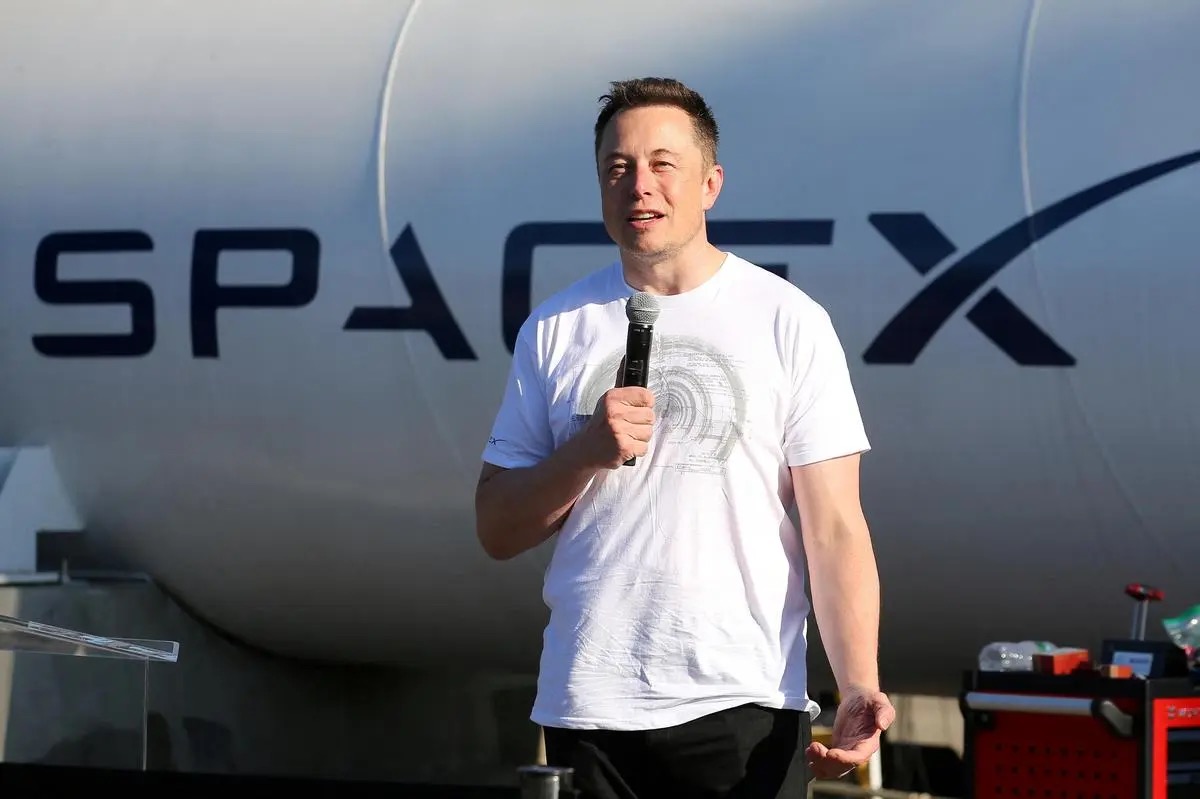
SpaceX has suffered one of the most dramatic market declines in recent corporate history, with the company losing more than $1.2 trillion in market capitalization since reaching its post-listing peak. The staggering erosion in value is roughly equivalent to the entire market capitalization of Tesla, underscoring the scale of the correction that has shaken investor confidence in one of the world’s most closely watched technology companies.
The decline comes just weeks after SpaceX captivated global markets with its landmark public debut. The company’s initial public offering was hailed as a defining moment for the aerospace industry, attracting unprecedented investor enthusiasm driven by its leadership in reusable rocket technology, satellite internet services, and ambitious long-term plans for space exploration. In the days following its listing, shares surged rapidly as investors rushed to gain exposure to a company long regarded as one of the most valuable privately held enterprises in the world.
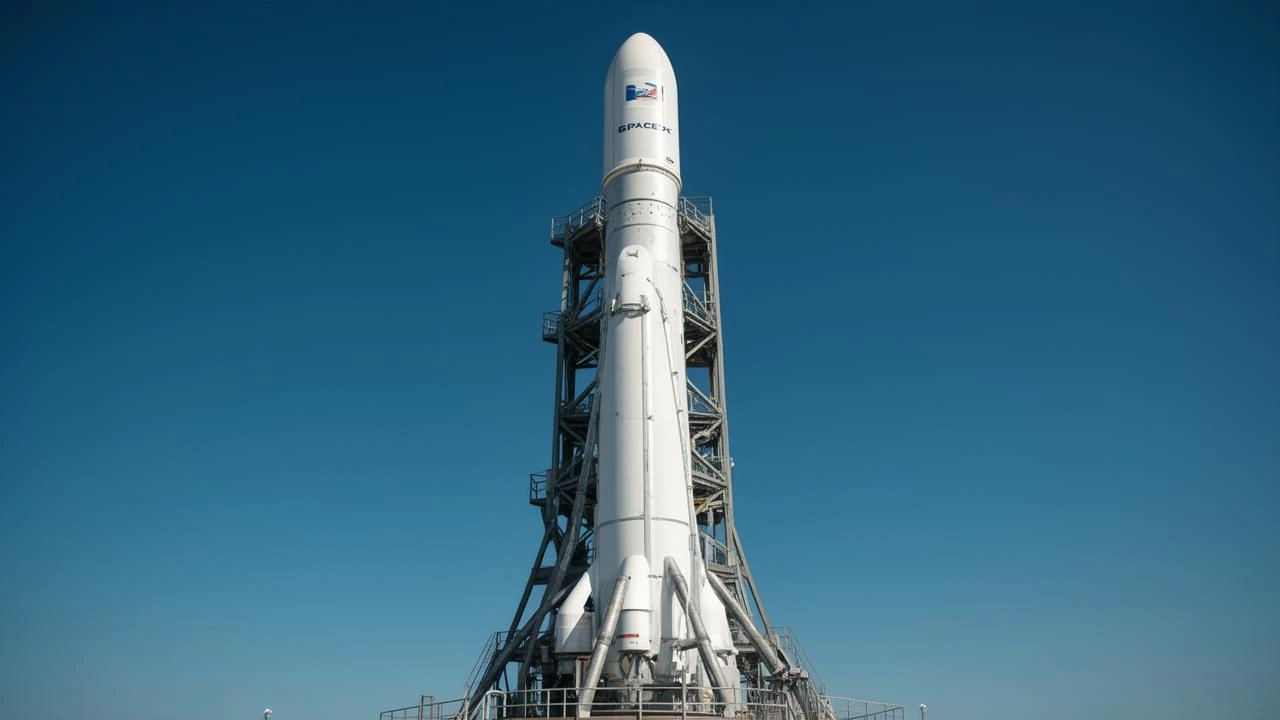
However, that optimism has faded quickly. Since reaching its record high, SpaceX shares have experienced a prolonged slide, cutting the company’s valuation nearly in half. While the company remains among the world’s most valuable publicly traded firms, the pace and magnitude of the decline have surprised analysts and investors alike.
The sell-off reflects a combination of factors, including concerns over valuation, profit expectations, and broader weakness across growth-oriented technology stocks. Many investors who initially viewed SpaceX as a transformational long-term investment have become increasingly cautious, questioning whether the company’s market value had climbed too far, too quickly. As a result, selling pressure intensified, leading to one of the largest declines in shareholder value ever recorded over such a short period.
The scale of the market capitalization loss has drawn widespread attention because it exceeds the value of nearly every publicly traded company outside the world’s largest technology giants. Comparing the decline to the total value of Tesla has become a striking way of illustrating the enormity of the correction. Although Tesla remains one of the world’s most valuable automakers, the amount erased from SpaceX’s valuation effectively equals the worth of an entire global industry leader.
Despite the sharp decline in its share price, SpaceX’s operational performance has remained largely unaffected. The company continues to advance its ambitious space program, conducting successful launch missions and expanding its Starlink satellite internet network. Recent test flights of its next-generation Starship vehicle achieved several key milestones, demonstrating progress toward the company’s long-term objective of enabling deep-space missions and eventually supporting human exploration beyond Earth.
Starlink also continues to expand its global presence, providing broadband connectivity to millions of users across multiple continents. The satellite network has become a major source of recurring revenue for SpaceX and remains central to the company’s future business strategy. In addition to serving residential customers, Starlink has secured contracts with governments, aviation companies, maritime operators, and enterprise clients seeking reliable high-speed internet access in remote locations.
Even with these operational achievements, investors have remained focused on financial performance rather than technological milestones. Market participants are increasingly demanding stronger evidence that the company’s substantial investments in infrastructure, manufacturing, and research will translate into sustained profitability and predictable earnings growth. High-growth companies often face heightened scrutiny once they become publicly traded, as quarterly financial results begin to influence investor sentiment more heavily than long-term vision alone.
The decline has also had significant implications for Elon Musk, whose personal wealth is closely tied to his holdings in both SpaceX and Tesla. As shares in both companies have faced pressure, Musk’s net worth has fluctuated dramatically, reflecting the volatility surrounding technology and innovation-focused businesses. Nevertheless, Musk has consistently maintained that SpaceX’s long-term mission extends far beyond short-term market movements, emphasizing the company’s goal of making humanity a multi-planetary species while building sustainable commercial businesses on Earth.
Financial analysts remain divided over what lies ahead for the aerospace giant. Some believe the recent decline represents a healthy correction after an exceptionally strong market debut, arguing that investor expectations had become unrealistic during the early stages of trading. Others contend that the stock may continue to face pressure until the company demonstrates stronger profitability and provides clearer guidance on future revenue growth.
Much of the attention is now focused on SpaceX’s upcoming quarterly earnings report, which will offer investors their first detailed insight into the company’s financial performance as a publicly listed business. Analysts will closely monitor revenue generated from launch services, Starlink subscriptions, commercial partnerships, and emerging artificial intelligence initiatives, while also assessing operating margins, capital expenditure, and future growth projections.
Beyond earnings, investors will look for updates on the company’s ambitious roadmap, including progress on Starship development, expansion of satellite services, and plans for future commercial space missions. Any indication that SpaceX can successfully balance rapid innovation with financial discipline could play a significant role in restoring market confidence.
The company’s long-term prospects remain substantial, supported by its dominant position in commercial space launches and satellite communications. However, the recent correction serves as a reminder that even the world’s most celebrated technology companies are not immune to shifting market sentiment. High valuations often bring equally high expectations, and public markets tend to react swiftly when growth projections fail to keep pace with investor optimism.
While the loss of more than $1.2 trillion in market value marks a historic setback, SpaceX continues to occupy a unique position at the intersection of aerospace, telecommunications, and advanced technology. Whether the company can regain investor confidence will depend not only on its continued technological achievements but also on its ability to deliver consistent financial performance in the quarters ahead. As markets await its next earnings announcement, SpaceX’s journey from record-breaking debut to historic valuation decline has become one of the defining financial stories of the year.