In a dramatic reversal that has captured national attention, Disney has reinstated late-night host Jimmy Kimmel following an intense wave of public backlash over the company’s earlier decision to suspend the comedian. The suspension came after Kimmel openly criticized new content regulations introduced by the Federal Communications Commission (FCC), a move that many viewed as a bold defense of creative freedom. Disney’s initial decision to discipline Kimmel was widely perceived as a capitulation to government pressure, igniting a firestorm of criticism from fans, entertainers, and free speech advocates alike.
The controversy began several weeks ago when the FCC unveiled sweeping new regulations aimed at tightening controls on broadcast content. These regulations, intended to address concerns about indecency and misinformation, significantly expanded the agency’s oversight and enforcement powers. The move was met with mixed reactions across the media landscape, but it was Jimmy Kimmel’s response that quickly became a lightning rod for debate.
On his popular late-night show, Kimmel aired a pointed segment denouncing the FCC’s actions. Known for his sharp wit and unapologetic commentary, Kimmel called the regulations an “overreach” that threatened to stifle free expression and chill the vibrant creativity that has long defined late-night television. His critique resonated with many viewers who feared the new rules could lead to increased censorship and a homogenization of entertainment.
However, Disney’s reaction to Kimmel’s on-air criticism surprised many. The entertainment giant swiftly suspended Kimmel, citing concerns that his remarks risked putting the company at odds with the FCC and potentially jeopardizing its broadcasting licenses. Disney’s move was perceived by critics as an attempt to appease regulators and avoid confrontation at the expense of its talent’s freedom to speak openly.
What followed was a remarkable backlash. Fans flooded social media with messages condemning Disney’s decision as an assault on free speech. Fellow comedians and entertainers rallied around Kimmel, publicly expressing their support and warning that Disney’s actions could create a dangerous precedent for corporate censorship. Free speech organizations also weighed in, framing the incident as emblematic of growing governmental and corporate pressures to silence dissenting voices in the media.
As criticism mounted, Disney found itself navigating a growing reputational crisis. The company, widely respected for its creative properties and family-friendly brand, faced intense scrutiny over its apparent willingness to prioritize regulatory appeasement over the fundamental rights of its talent. Petitions demanding Kimmel’s reinstatement gained traction, while commentators debated the broader implications for the entertainment industry and the principles of free expression.
Under mounting pressure, Disney announced it would reverse course and reinstate Jimmy Kimmel to his hosting duties. In an official statement, the company acknowledged the importance of supporting creative voices and reaffirmed its commitment to fostering an environment where open dialogue and diverse viewpoints can thrive.
The reinstatement was met with widespread relief and celebration. Kimmel himself expressed gratitude to his supporters, emphasizing the significance of standing up for free speech in a climate where voices are increasingly at risk of being silenced. “Thanks to everyone who stood by me and defended the right to speak freely,” he said. “I’m eager to get back to work and keep using this platform to entertain and inform.”
Media analysts have noted that Disney’s rapid reversal highlights the delicate balance corporations must strike between complying with regulatory bodies and maintaining public trust. The incident has also intensified discussions around the role of government in regulating broadcast content, raising questions about where the line should be drawn between protecting the public interest and preserving artistic freedom.
For decades, late-night television has served as a critical space for political and social commentary, with hosts like Kimmel, Jimmy Fallon, Stephen Colbert, and others blending humor with sharp observations. The episode involving Kimmel and Disney underscores the ongoing tension between entertainment, free expression, and regulatory oversight, illustrating the challenges faced by media companies in an evolving landscape.
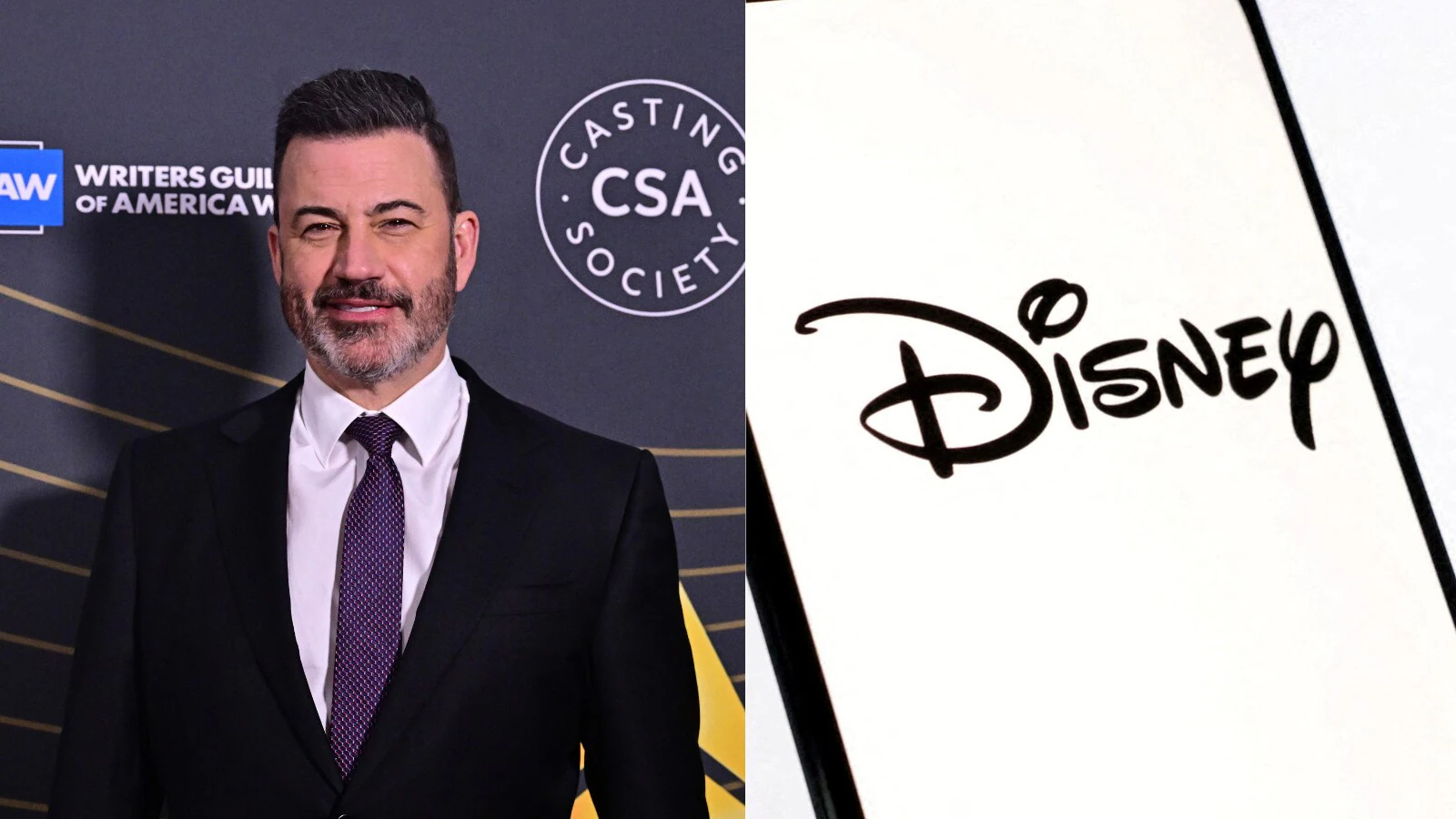
Beyond the immediate controversy, the incident has rekindled a broader debate over corporate responsibility. Many argue that companies like Disney, which wield enormous cultural influence, have a duty to defend their talent’s freedom of expression, even when it conflicts with governmental pressures. Others contend that navigating regulatory frameworks is a necessary aspect of operating in a heavily scrutinized industry.
Whatever the perspective, the episode has undeniably reaffirmed the power of public opinion in shaping corporate decisions. The groundswell of support for Kimmel demonstrated how audiences today are deeply invested in issues of free speech and willing to hold corporations accountable when those rights appear threatened.
As Jimmy Kimmel returns to his show, the entertainment world is watching closely. The episode serves as a potent reminder of the ongoing battle to balance regulation, corporate interests, and the essential freedom to speak openly. For now, Kimmel’s reinstatement marks a victory not just for the comedian himself, but for advocates of free expression everywhere.

The FCC’s regulations remain in place, and debates over their scope and impact are far from over. Yet, this incident has underscored that attempts to silence dissent or control content may face fierce resistance—from audiences, creators, and even the corporations that distribute their work.
In a media environment increasingly shaped by political polarization, technological disruption, and shifting cultural norms, the clash between Jimmy Kimmel and Disney over the FCC’s regulatory reach will likely be remembered as a defining moment—one that tested the limits of creative freedom in the 21st century.