Apple appears to be preparing for its most ambitious artificial intelligence expansion yet, as reports reveal that the company has registered a new “gen AI” web domain ahead of its Worldwide Developers Conference (WWDC) 2026 next month. The move has triggered intense speculation across the technology industry, with many analysts believing the domain registration is an early sign of major AI-focused announcements expected during Apple’s annual developer event.
The development comes at a crucial moment for the company as it seeks to strengthen its position in the increasingly competitive generative AI race. Rivals such as Google, Microsoft, and OpenAI have dominated headlines over the past two years with rapid advancements in AI chatbots, search systems, productivity tools, and digital assistants. Apple, in contrast, has taken a more cautious approach, focusing primarily on privacy-centered machine learning features operating quietly behind the scenes.
Now, however, the company appears ready to unveil a more aggressive AI strategy centered around a dramatically upgraded Siri and a broader suite of generative AI capabilities integrated across its ecosystem.
Industry observers believe the registration of the “gen AI” domain could indicate Apple’s intention to launch a new AI branding initiative, possibly similar to how the company previously introduced technologies such as Face ID, Retina Display, and Apple Intelligence. While Apple has not officially confirmed the purpose of the domain, the timing has fueled expectations that artificial intelligence will dominate WWDC 2026.
At the center of the anticipated announcements is Siri, Apple’s voice assistant that was first introduced in 2011. Once considered groundbreaking, Siri has faced growing criticism in recent years for falling behind competitors in conversational ability, contextual understanding, and task execution. Many users have complained that the assistant struggles with complex requests, follow-up questions, and natural dialogue compared to newer AI-powered systems.
According to reports circulating within the tech industry, Apple has spent the past several years rebuilding Siri using advanced large language models and generative AI systems. The result could be the most significant transformation of the assistant since its original launch.
The upgraded Siri is expected to become far more conversational and intelligent, allowing users to interact with devices in a more natural and human-like way. Analysts predict the assistant may gain the ability to summarize messages, draft emails, organize schedules, provide personalized recommendations, and perform complex multi-step tasks without requiring repetitive commands.
The assistant could also become deeply integrated across Apple’s ecosystem of devices, including the iPhone, iPad, Mac, Apple Watch, AirPods, and Vision Pro headset. This integration may allow users to begin tasks on one device and seamlessly continue them on another using AI-powered contextual awareness.
One of Apple’s biggest challenges will be differentiating its AI features from those already available from competitors. Unlike many cloud-based AI platforms, Apple has consistently emphasized privacy and on-device processing. Industry experts believe the company will attempt to position its AI systems as more secure and privacy-focused than rival technologies that rely heavily on cloud servers and large-scale data collection.
Reports suggest Apple may introduce a hybrid AI approach in which some tasks are processed locally on users’ devices while more advanced requests are handled securely through cloud infrastructure. This would allow Apple to balance performance with its long-standing commitment to protecting user data.
Beyond Siri, WWDC 2026 is expected to showcase a wide range of AI-powered features across Apple’s software ecosystem. These may include AI-assisted writing tools in apps such as Mail, Notes, and Pages; automatic text summarization; smarter search functions; intelligent photo editing capabilities; and real-time translation improvements.
Developers are also expected to receive new tools and application programming interfaces (APIs) that would allow third-party apps to integrate Apple’s generative AI systems directly into their software. Such a move could significantly expand the role of AI across the App Store ecosystem.
Some reports have suggested Apple may also introduce AI-powered personalization features capable of adapting interfaces, recommendations, and workflows based on user behavior and habits. This could make Apple devices feel more intuitive and customized than before.
The timing of Apple’s AI push reflects broader shifts across the technology industry. Generative AI has rapidly transformed consumer expectations around smartphones, computers, and digital assistants. Companies are now racing to integrate AI into nearly every aspect of the user experience, from productivity and communication to entertainment and creativity.
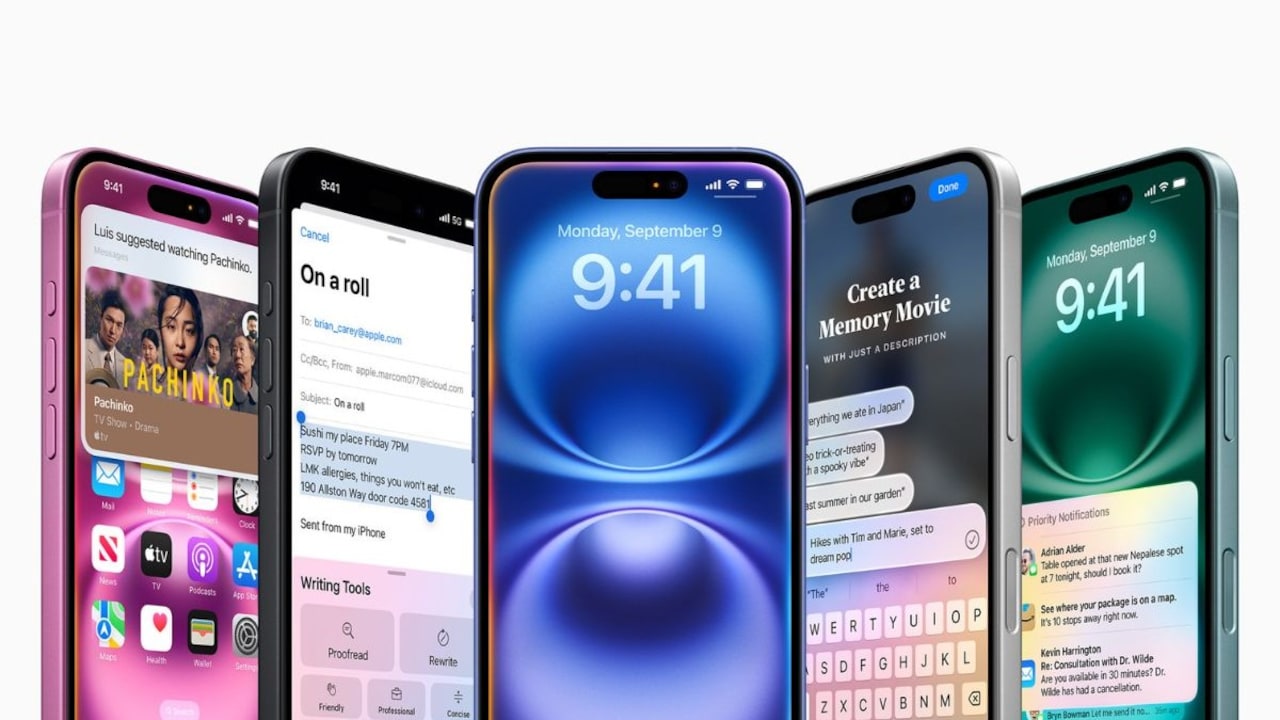
Investors are closely watching Apple’s next steps because the company’s massive ecosystem gives it a unique advantage. With billions of active devices worldwide, even incremental AI upgrades could instantly become some of the most widely used artificial intelligence tools on the planet.
At the same time, expectations remain extremely high. Apple has built its reputation on delivering polished, reliable products that integrate seamlessly into users’ lives. Consumers and developers alike are likely to expect AI features that feel practical, stable, and deeply integrated rather than experimental or unfinished.
The pressure on Siri is particularly intense. Over the years, the assistant became a symbol of Apple’s struggles to keep pace with rapid advances in conversational AI. A successful overhaul could help restore confidence in Apple’s innovation strategy and strengthen its competitiveness against increasingly powerful AI rivals.
WWDC has historically served as Apple’s stage for unveiling major software changes and long-term technological direction. This year’s conference may prove especially significant because it could define how Apple positions itself in the future of artificial intelligence.
Developers attending the event are expected to receive early access to beta versions of many new features, with public releases likely arriving later this year alongside the next generation of iPhones and updated operating systems.
While Apple remains characteristically secretive about its plans, the discovery of the “gen AI” domain strongly suggests that the company is preparing to make artificial intelligence the centerpiece of its software strategy moving forward.
As anticipation builds ahead of WWDC 2026, the technology world will be watching closely to see whether Apple can once again reshape the industry — this time through the next generation of AI-powered experiences.