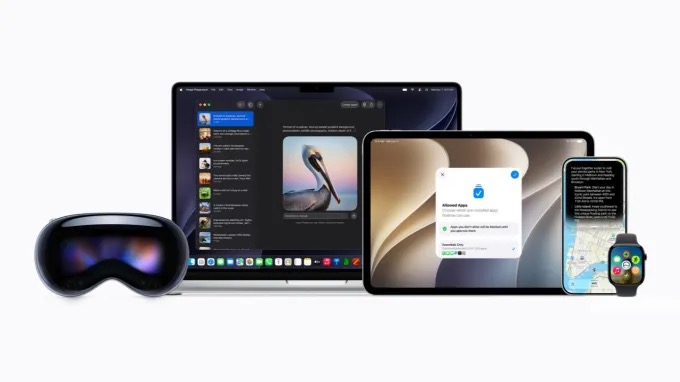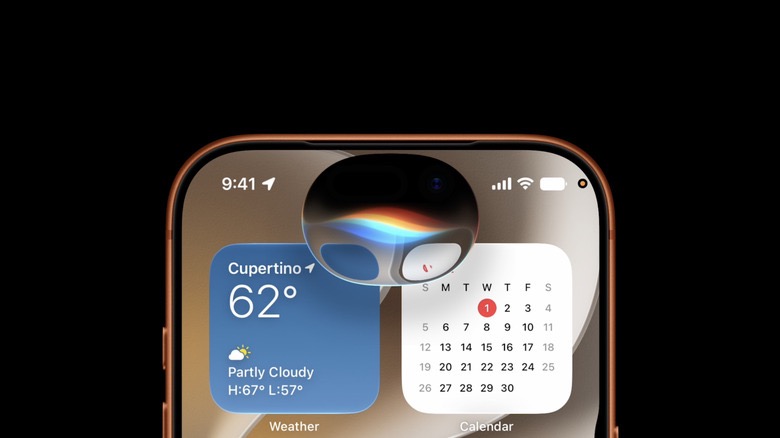
Apple may have inadvertently offered the strongest indication yet that it is preparing to enter the foldable smartphone market. A newly discovered feature in the macOS 27 beta has sparked widespread speculation that the company is laying the groundwork for a foldable iPhone, a product that has long been the subject of rumors and industry predictions.
The unexpected clue emerged from Apple’s updated iPhone Mirroring functionality. Users testing the beta version of macOS reportedly found that the mirrored iPhone display window could be resized far beyond the dimensions of a conventional smartphone screen. As the window expanded, the interface adapted dynamically, with applications rearranging themselves into layouts that closely resembled the user experience typically associated with the iPad.
The discovery has ignited conversations across the technology community because such adaptive interfaces are considered essential for foldable devices. Unlike traditional smartphones, foldables require software capable of seamlessly transitioning between different screen sizes and orientations. When folded, they function like standard phones; when unfolded, they provide a larger, tablet-like workspace. Ensuring that applications respond naturally to these changes is critical to delivering a polished user experience.
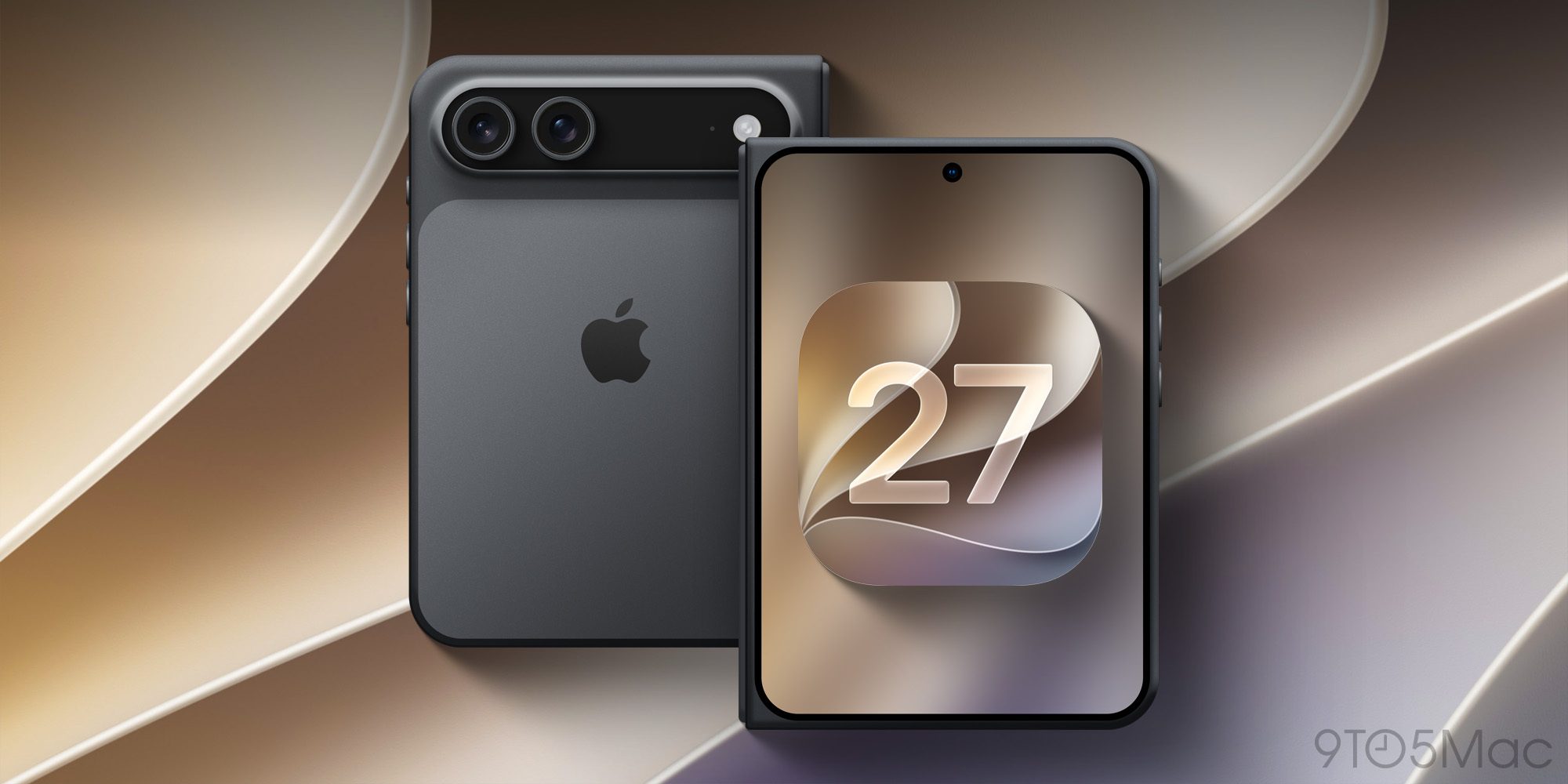
Apple has remained noticeably absent from the foldable smartphone segment despite years of speculation surrounding its plans. Competitors such as Samsung, Google, and several Chinese manufacturers have already introduced multiple generations of foldable devices, refining both hardware durability and software optimization. Yet Apple has consistently refrained from confirming whether it intends to develop a product of its own.
The latest software findings, however, have renewed expectations that the company could be preparing for such a move behind the scenes.
Industry analysts have long argued that Apple’s eventual entry into the foldable market would depend less on hardware innovation and more on ecosystem readiness. The company is known for prioritizing seamless integration between its devices and operating systems. Rather than rushing to adopt emerging trends, Apple has historically preferred to wait until it can deliver a refined experience supported by developers and consumers alike.
The changes observed in macOS 27 appear to align with this philosophy. By enabling developers to test how iPhone applications behave across wider display formats, Apple may be quietly encouraging the creation of apps capable of functioning effectively on future devices with flexible screens.
Developers play a vital role in the success of any new platform. Without applications designed to take advantage of larger displays, foldable smartphones risk becoming little more than novelty devices. Apple has repeatedly demonstrated its commitment to preparing developers in advance of major product launches, offering them the tools needed to adapt to new hardware categories before those devices reach consumers.
If the company’s intentions are indeed connected to a foldable iPhone, the strategy would be consistent with its established approach.
Still, it is important to recognize that software discoveries do not necessarily confirm imminent product announcements. Companies often experiment with features that never evolve into commercial offerings. Beta versions of operating systems, in particular, frequently contain functionalities intended for internal testing or future possibilities that may never materialize.
Despite this uncertainty, the timing of the latest reports is difficult to ignore.
The global foldable smartphone market has matured significantly in recent years. Early concerns regarding fragile displays, visible creases, and bulky designs have gradually diminished as manufacturers have improved engineering techniques. Today’s foldables are thinner, lighter, and more durable than their predecessors, making them increasingly attractive to consumers seeking premium devices with enhanced productivity features.
For Apple, entering this market could represent both an opportunity and a challenge.
On one hand, the company’s reputation for design excellence and software optimization positions it well to redefine consumer expectations surrounding foldable technology. A carefully executed foldable iPhone could attract users who have remained hesitant to adopt existing alternatives.
On the other hand, Apple faces the pressure of delivering a product that justifies its delayed arrival. Consumers and industry observers will likely expect a foldable iPhone to offer meaningful innovations rather than simply replicating features already available elsewhere.
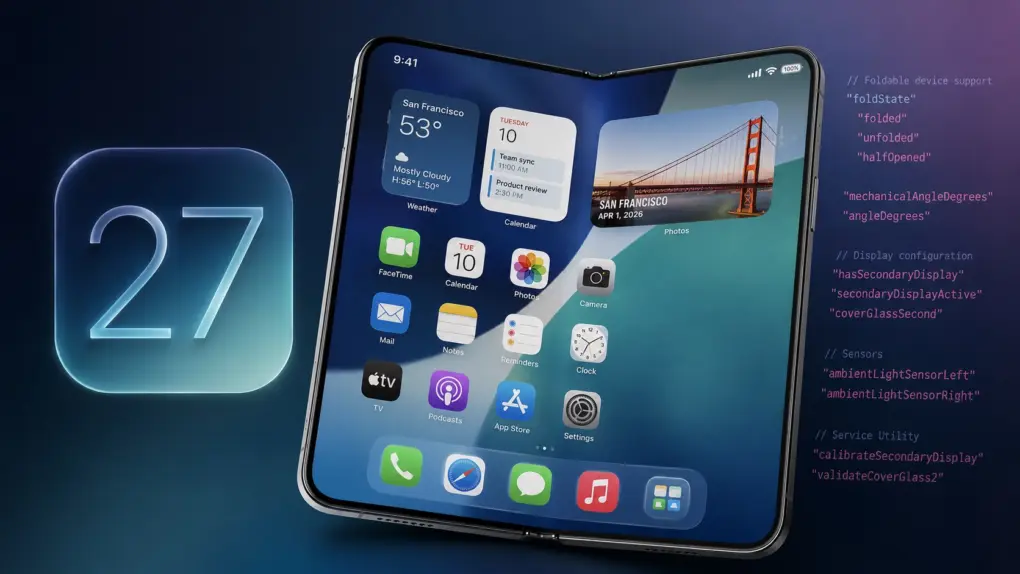
The reported macOS 27 beta changes suggest that Apple understands the importance of preparation. Ensuring that applications transition smoothly between compact and expanded displays would be fundamental to creating an experience that feels intuitive rather than experimental.
Whether the apparent leak was intentional or accidental remains unclear. Apple is famously secretive about its product roadmap, and the company rarely comments on speculation surrounding unreleased devices. Nonetheless, software clues have historically provided valuable insights into Apple’s future ambitions, occasionally revealing initiatives months before official announcements.
For now, the notion of a foldable iPhone remains firmly within the realm of expectation rather than certainty. Yet each new discovery contributes to a growing narrative that Apple may finally be approaching a category it once seemed content to observe from a distance.
If a foldable iPhone does emerge in the coming years, it could mark one of the most significant transformations in the history of the company’s flagship product. Since its debut, the iPhone has undergone numerous refinements, but its fundamental form has remained remarkably consistent.
A foldable design would signal a willingness to rethink that formula entirely.
Until Apple chooses to reveal its plans, enthusiasts and developers will continue searching through beta software for clues about what comes next. In the process, an ordinary testing feature in macOS 27 may have provided an extraordinary glimpse into the possible future of the iPhone.