Consumer expectations in the automotive world have never been higher. With rapid advances in electric vehicles, increasingly complex infotainment systems, and heightened focus on long-term reliability, car owners today demand both innovation and dependability from their vehicles. The newest set of owner satisfaction ratings for 2025 paints a vivid picture of the brands meeting those expectations — and those falling behind. Based on thousands of owner responses across the United States, the survey measures reliability, comfort, driving performance, value, service experience, and usability of in-car technology. The results show widening disparities between brands that have adapted to the evolving market and those struggling to keep pace.
Top-Rated Brands: Where Innovation Meets Reliability
One of the most notable outcomes of this year’s ratings is the dominance of technology-focused and reliability-driven automakers. Many of the leading brands have invested heavily in improved software interfaces, electric powertrains, and customer service — investments that appear to be paying off.
Tesla continues to secure its position at the top of the satisfaction rankings. Although the company’s build quality has generated debate over the years, owners consistently report high satisfaction with Tesla’s software experience, intuitive interfaces, and performance capabilities. Over-the-air updates remain one of Tesla’s strongest assets, enabling the company to respond to owner feedback rapidly and continuously improve vehicle functionality. The charging network also contributes to Tesla’s strong ratings; many owners cite the convenience and reliability of the infrastructure as a major advantage over competitors.
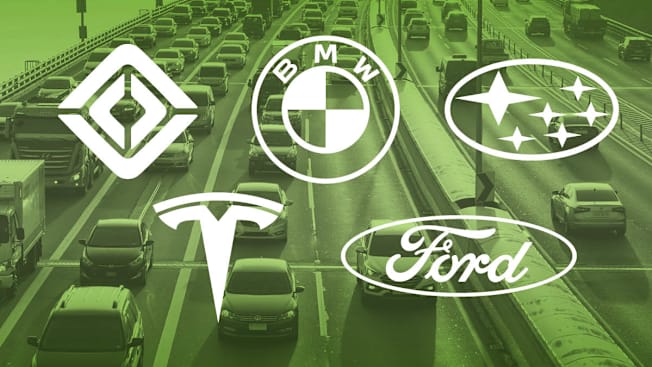
Lexus, long known for bulletproof reliability, once again earns high marks across multiple satisfaction categories. Owners praise Lexus vehicles for their quiet cabins, smooth ride quality, and minimal maintenance requirements. In an era when many manufacturers are experimenting with bold new technologies, Lexus has focused on refinement and consistency — a strategy that resonates with buyers who prioritize hassle-free ownership. The brand’s hybrid lineup also receives positive feedback, offering fuel efficiency without compromising comfort.
Porsche secures a top spot thanks to a combination of performance excellence and luxury craftsmanship. Owners describe their vehicles as thrilling to drive while still being practical enough for daily use. Porsche’s growing electric lineup has also been well received, especially among drivers who appreciate the brand’s commitment to maintaining its signature driving experience even as it transitions into the EV market.
Meanwhile, Hyundai and Kia continue their upward climb. Once considered budget-focused brands, they have emerged as industry leaders in value and feature-rich design. Owners express high satisfaction with advanced driver-assistance systems, intuitive infotainment layouts, and bold styling. The companies’ long warranty coverage is another major factor, reassuring buyers concerned about the costs of future repairs. In many segments, Hyundai and Kia are seen as offering premium features without premium prices.
Lowest-Rated Brands: Struggles With Consistency and Technology
On the other end of the spectrum, several brands receive lower-than-average satisfaction ratings, often due to reliability concerns or difficulties implementing new technologies.
Jeep finds itself near the bottom of the list this year. While the brand’s off-road capability and iconic styling continue to excite enthusiasts, many owners report reliability challenges that dampen the overall experience. Frequent service visits, inconsistent build quality, and higher-than-expected maintenance costs contribute to lower satisfaction scores. For buyers prioritizing adventure and rugged design, Jeep remains appealing — but for long-term dependability, owners express clear reservations.
Land Rover also struggles in the current survey. Despite offering luxurious interiors, exceptional comfort, and advanced performance features, the brand faces ongoing concerns about mechanical dependability. Complex technology systems can be difficult for some owners to use, and maintenance remains more expensive than average. Many owners appreciate the prestige of the brand but express frustration with frequent repairs and software issues.
Chevrolet experiences mixed results. Trucks and performance vehicles like the Corvette receive strong satisfaction scores, but several sedans and SUVs underwhelm owners. Interior quality concerns, inconsistent fuel efficiency, and outdated tech in certain models contribute to uneven satisfaction across the lineup. Chevrolet’s challenge moving into the future will be to balance its successful segments with improvements in its underperforming ones.
Nissan rounds out the lower tier, grappling with aging model platforms and less competitive interior technology. While many owners appreciate the affordability of Nissan vehicles, satisfaction drops when it comes to driving dynamics, cabin design, and long-term durability. Some models feel dated compared to rivals that have undergone more aggressive redesigns in recent years.
Key Trends Driving Owner Satisfaction in 2025
This year’s survey highlights several emerging trends that are shaping how drivers evaluate their vehicles.
First, technology experience is now a defining factor. Owners increasingly prioritize seamless infotainment systems, responsive touchscreens, clear digital displays, and advanced driver-assistance features. Brands that offer refined software — not just hardware — consistently score higher.
Second, reliability continues to be a cornerstone of satisfaction. Regardless of technological features, drivers emphasize the importance of vehicles that require few repairs and hold up well over time. Luxury brands with reputations for reliability outperform others that focus more on innovation but fall short in execution.
Third, total cost of ownership is becoming more relevant. As prices for maintenance, repairs, and insurance continue to rise, consumers favor brands that offer long warranties, low running costs, and predictable service experiences.
Looking Ahead
Automakers face a challenging balancing act in the years to come. As electric vehicles become more mainstream and software becomes the heart of the driving experience, brands must deliver not only cutting-edge technology but also dependable, user-friendly design. The 2025 owner satisfaction ratings make one thing clear: the companies that combine innovation with reliability will be best positioned to lead the next chapter of the automotive industry.
If you’d like, I can also create a headline version, infographic summary, or social-media-ready caption set.