
German luxury automobile manufacturer BMW has announced plans to reduce its global workforce by approximately 8,000 employees by the end of 2027 as part of a major restructuring initiative aimed at improving efficiency and preparing the company for the rapidly changing automotive industry. The move comes as automakers worldwide continue to face mounting pressure from rising production costs, slowing economic growth, and the ongoing transition toward electric mobility.
The company said the workforce reduction is intended to create a leaner and more flexible organization capable of competing in an increasingly challenging global market. Rather than implementing widespread immediate layoffs, BMW indicated that the reduction would take place gradually over the next three years through a combination of voluntary departures, retirements, and natural attrition wherever possible.
The announcement reflects the significant transformation taking place across the automotive sector. Traditional car manufacturers are investing billions of dollars in electric vehicles, battery technology, software development, and digital services while continuing to support existing internal combustion engine models. Managing these parallel investments has placed considerable financial pressure on many of the world’s largest automakers, prompting them to reassess costs and organizational structures.
BMW has long been regarded as one of the leading premium automobile manufacturers, producing luxury sedans, sports cars, SUVs, motorcycles, and an expanding lineup of electric vehicles. The company has built its reputation on engineering excellence, driving performance, and technological innovation. However, even established manufacturers with strong global brands are not immune to the economic and technological changes reshaping the industry.
According to company officials, the restructuring plan is designed to simplify operations, improve productivity, and ensure that resources are directed toward future technologies. BMW plans to continue investing heavily in electric mobility, connected vehicles, autonomous driving systems, and artificial intelligence while reducing costs in other parts of the business.
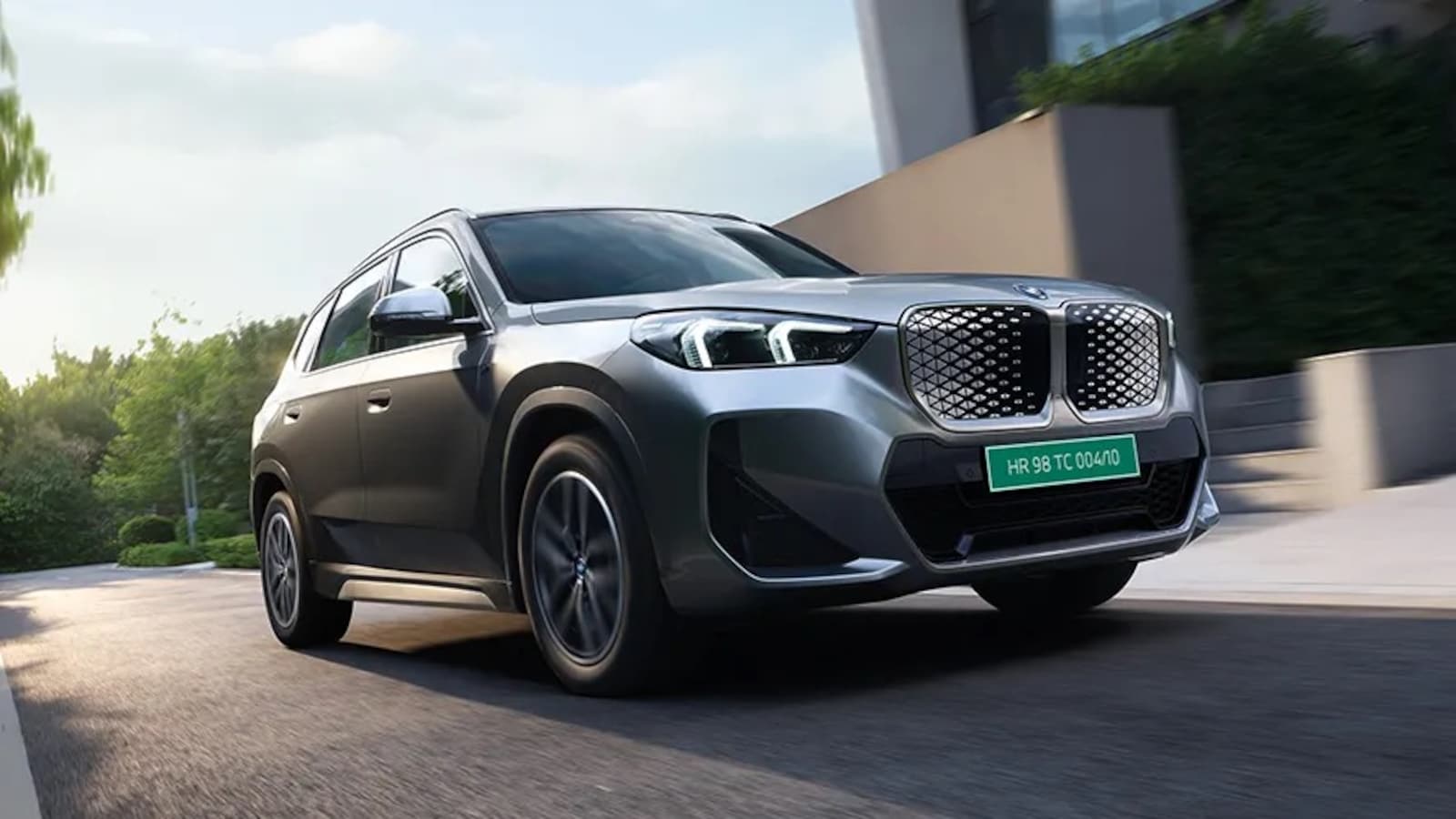
The decision comes at a time when the global automotive market remains highly competitive. Consumer demand for electric vehicles continues to grow, but the pace of adoption has become uneven across different regions. Economic uncertainty, high borrowing costs, concerns about charging infrastructure, and increased competition have affected purchasing decisions in several major markets. As a result, automakers have had to balance ambitious electrification plans with the need to maintain profitability.
BMW has adopted a flexible strategy by offering customers a mix of petrol, diesel, hybrid, and fully electric vehicles. Rather than abandoning conventional engines immediately, the company has chosen to expand its electric portfolio while allowing customers to transition at their own pace. This approach has helped BMW maintain strong sales across multiple markets, but it has also required significant investments in manufacturing, research, and product development.
Electric vehicles require different production processes and supply chains compared to traditional automobiles. Battery manufacturing, semiconductor technology, advanced software, and digital platforms have become increasingly important components of vehicle development. At the same time, many manufacturing processes are becoming more automated, reducing the need for certain roles while creating demand for new technical skills.
Industry analysts believe automation has played a major role in workforce restructuring across the automotive sector. Modern factories increasingly rely on robotics, artificial intelligence, and advanced manufacturing systems to improve productivity and maintain consistent quality. While these technologies help companies reduce costs and increase efficiency, they also change the types of jobs required within manufacturing facilities.
BMW has stated that the planned workforce reduction will be accompanied by continued investment in employee training and skill development. As the company expands its focus on software engineering, battery technology, digital services, and smart manufacturing, many employees will be offered opportunities to adapt to new roles that better align with the future direction of the business.
The announcement has generated mixed reactions among employees and labor representatives. While BMW emphasized that it intends to minimize compulsory redundancies, concerns remain about job security and the long-term impact on workers. Germany has strong labor protections and works councils that play an important role in corporate decision-making, meaning discussions between management and employee representatives are expected to continue throughout the implementation of the restructuring plan.
The automotive industry has witnessed a wave of restructuring initiatives in recent years. Several major manufacturers across Europe, North America, and Asia have announced job reductions, factory reorganizations, and cost-cutting measures as they respond to changing consumer preferences and technological disruption. Rising research and development costs, increased competition from emerging electric vehicle manufacturers, and geopolitical uncertainties have all contributed to a more cautious business environment.

Competition has become particularly intense with the rapid expansion of Chinese electric vehicle manufacturers into international markets. Many Chinese companies have introduced technologically advanced vehicles at competitive prices, challenging traditional European brands in both domestic and overseas markets. Meanwhile, companies such as Tesla continue to influence industry standards through innovations in battery technology, software integration, and over-the-air updates.
BMW has responded by accelerating investments in its next generation of vehicles while maintaining its reputation for premium quality and performance. The company continues to develop new electric models with improved driving range, faster charging capabilities, and advanced digital features. It is also investing in sustainable manufacturing practices, including reducing emissions across its production facilities and increasing the use of recycled materials in vehicle construction.
Financial markets generally view restructuring efforts as a sign that companies are taking proactive steps to strengthen long-term competitiveness. Investors often support cost-reduction initiatives if they believe the savings will allow companies to invest more effectively in future growth opportunities. However, workforce reductions can also create uncertainty, particularly if they affect employee morale or lead to disruptions in operations.
For BMW, the challenge will be balancing efficiency with innovation. The company must continue delivering premium vehicles while adapting to changing consumer expectations, stricter environmental regulations, and rapid technological advances. Success will depend not only on reducing costs but also on maintaining the engineering excellence and brand reputation that have defined BMW for decades.
As the automotive industry enters one of the most transformative periods in its history, BMW’s decision to reduce approximately 8,000 jobs highlights the difficult choices facing even the world’s most successful manufacturers. The company believes the restructuring will position it for sustainable growth and long-term competitiveness, but the coming years will determine whether these changes enable BMW to maintain its leadership in an increasingly electric and digitally connected automotive landscape.