

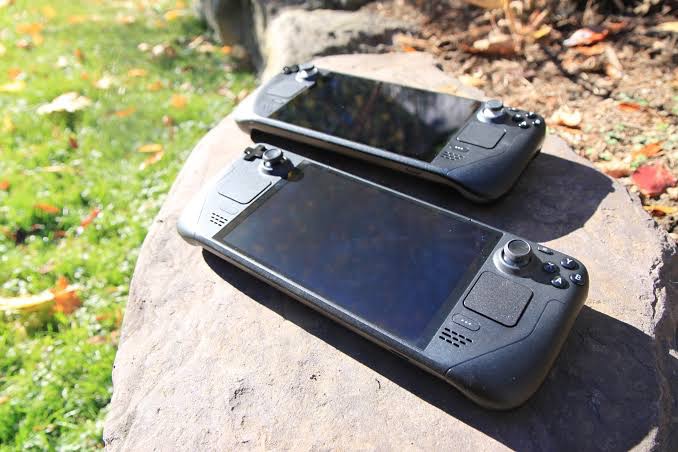
Valve’s Steam Deck, once regarded as one of the most successful handheld gaming PCs on the market, has reportedly experienced a dramatic slowdown in sales following significant price increases introduced earlier this year. Industry estimates suggest weekly sales of the device have fallen by nearly 80%, raising questions about consumer demand, pricing strategy, and the increasingly competitive landscape of portable gaming hardware.
Although Valve has not officially disclosed recent sales figures, analysts tracking Steam’s sales rankings and market trends believe the handheld has suffered a sharp decline in momentum after the company substantially raised prices across several models. The reported drop highlights the challenges technology companies face when balancing rising production costs with consumer expectations in an increasingly price-sensitive market.
The Steam Deck made headlines when it launched by offering PC gamers an affordable way to play their Steam library on a portable device. Combining the flexibility of a gaming PC with the convenience of a handheld console, it quickly established itself as a favorite among gamers looking for an alternative to traditional consoles and gaming laptops. Strong demand led to lengthy waiting lists during its initial release, and the device consistently ranked among Steam’s best-selling products.
However, the market environment has changed considerably since the Steam Deck’s debut. Rising manufacturing costs, increasing competition, and evolving consumer expectations have all placed new pressure on the product’s long-term performance.
Earlier this year, Valve implemented substantial price increases for its Steam Deck OLED lineup, citing higher component costs and broader supply chain challenges. The company pointed to rising prices for memory chips, storage components, and manufacturing expenses as key reasons behind the decision.
The revised pricing represented one of the largest increases since the handheld’s launch, pushing the cost of premium models significantly higher than before. While the move was intended to offset production expenses, it appears to have had a noticeable impact on purchasing behavior.
Market analysts estimate that weekly Steam Deck sales have fallen from well over 10,000 units before the price hike to only a few thousand units afterward. While these figures remain unofficial, the trend observed through Steam’s public sales charts suggests that demand has weakened considerably following the increase in retail prices.

The decline demonstrates the delicate balance hardware manufacturers must maintain between protecting profit margins and preserving consumer demand. A higher selling price may improve revenue per unit, but if enough customers decide not to purchase the product, overall sales and revenue can decline instead.
The Steam Deck’s changing fortunes also reflect the rapid evolution of the handheld gaming market. When Valve introduced the device, it enjoyed relatively little direct competition in the portable gaming PC segment. Since then, several manufacturers have entered the market with their own handheld gaming systems featuring faster processors, higher-resolution displays, improved battery technology, and broader compatibility with Windows-based games.
Companies such as ASUS, Lenovo, and MSI have introduced premium handheld gaming devices aimed at enthusiasts willing to spend more for higher performance. As these alternatives continue to improve, consumers comparing products may be less willing to accept higher prices for aging hardware, particularly when competing devices offer newer specifications.
The Steam Deck still maintains several advantages, including seamless integration with Steam, an optimized Linux-based operating system, and strong developer support. Its user-friendly software experience remains one of its biggest strengths compared to Windows-powered competitors that often require more setup and maintenance.
Even so, hardware specifications inevitably become less competitive over time. The Steam Deck is now several years into its product lifecycle, and many potential buyers may be delaying purchases in anticipation of a next-generation version rather than investing in current models at higher prices.
Valve has previously stated that it does not intend to release annual hardware upgrades similar to smartphones. Instead, the company has indicated it will introduce a successor only when technological advancements allow for a meaningful leap in performance without sacrificing battery life or significantly increasing costs. While this strategy helps avoid frequent fragmentation of the user base, it also means the existing hardware remains on the market longer as competing products continue to evolve.
Another factor influencing demand is the broader economic environment. Consumers worldwide remain cautious about discretionary spending as inflation and higher living costs affect household budgets. Premium gaming hardware often becomes one of the first categories where buyers postpone purchases, especially if they believe newer products may arrive in the near future.
For Valve, the Steam Deck has never been solely about hardware sales. The device serves as an entry point into the company’s broader Steam ecosystem, encouraging users to purchase games, downloadable content, and other digital products through its platform. Even if hardware margins are relatively thin, increased software sales can generate substantial long-term revenue.
This business model may give Valve greater flexibility than traditional hardware manufacturers, allowing it to focus on ecosystem growth rather than maximizing profits from each device sold. Nevertheless, maintaining healthy hardware sales remains important for expanding the installed user base and strengthening Steam’s position in the portable gaming market.
Industry observers note that the reported sales decline does not necessarily signal the end of the Steam Deck’s success. The handheld remains one of the most recognizable devices in its category and continues to receive regular software updates that improve performance, compatibility, and user experience. Seasonal discounts, promotional offers, or future hardware revisions could help revive consumer interest if market conditions improve.
Moreover, unofficial estimates should be interpreted cautiously, as Valve does not publish detailed hardware sales data. While public sales rankings provide useful insights into market trends, they cannot offer a complete picture of actual unit shipments or company revenue.
Still, the reported decline underscores the risks associated with significant price increases in a highly competitive consumer electronics market. As more companies compete for gamers seeking portable PC experiences, value for money has become an increasingly important consideration.
Whether Valve responds with future price adjustments, refreshed hardware, or continued software improvements remains to be seen. For now, the Steam Deck appears to be navigating a more challenging phase, as rising costs, stronger competition, and shifting consumer expectations reshape the handheld gaming landscape.









