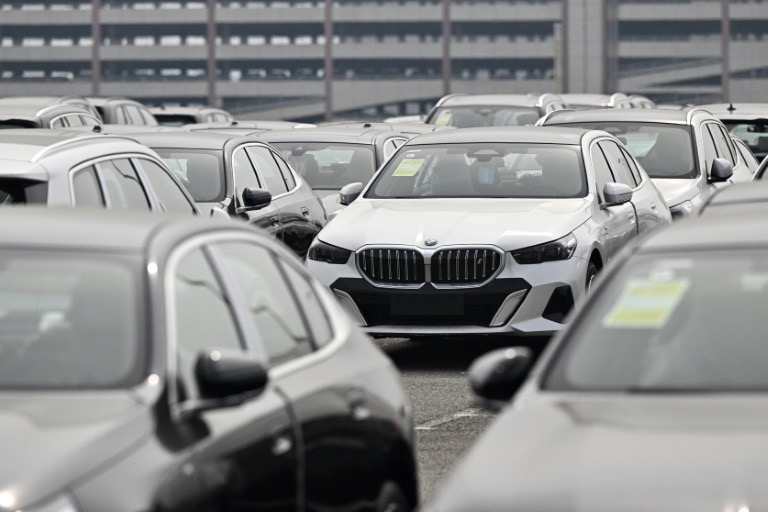
Electric vehicles (EVs) have rapidly gained popularity across the globe, praised for their environmental benefits, technological advancements, and long-term savings on fuel. However, a new industry analysis has revealed a significant and often overlooked drawback: EVs cost, on average, 49% more to insure than traditional gas-powered vehicles.
With an average annual premium of over $4,000 for EVs compared to just under $2,750 for gas vehicles, this insurance gap could be a surprise to many consumers who assume that going electric will always save money. The data paints a more complex picture, highlighting the challenges insurers and drivers face in the transition to electric mobility.

Why Are EV Insurance Costs So High?
The primary reason EVs are more expensive to insure is the cost of repairs. Electric vehicles, while mechanically simpler in some ways, include advanced technology, high-voltage battery systems, and specialized components that require specific expertise to service. These repairs not only cost more but also take longer, often resulting in extended vehicle downtime and increased claim expenses for insurers.
A damaged battery pack, for example, can cost thousands of dollars to replace—even after a minor accident. In some cases, insurance companies are forced to declare the car a total loss due to the high cost of battery-related repairs, even when the rest of the vehicle remains relatively intact.
Additionally, many EV parts are proprietary and not widely available in the aftermarket. This limits repair options and increases dependence on manufacturer-certified service centers, which tend to charge higher rates for parts and labor.
Higher Vehicle Value, Higher Premiums
Another key factor contributing to higher premiums is the purchase price of EVs. On average, electric vehicles cost significantly more than their gas-powered counterparts. Since insurance premiums are partially based on the value of the vehicle, this alone drives up the cost of coverage.
Luxury EVs, like those made by Tesla, Lucid, or Rivian, are particularly expensive to insure. Their cutting-edge technology and high-performance components raise both the cost of repair and the risk exposure for insurers. Even mid-range EVs are affected, as they often feature similar advanced safety systems and electronics that are costly to fix or replace.
Lack of Repair Infrastructure
The growing EV market has yet to be matched by a fully developed repair infrastructure. There remains a shortage of technicians trained and certified to work on electric vehicles. As a result, there are fewer shops available to handle EV repairs, leading to longer wait times, higher labor charges, and limited competition—further inflating insurance claim costs.
Moreover, many insurers have limited historical data on EV repair frequency and costs, especially for newer models. This uncertainty prompts companies to charge higher premiums to account for potential risk. As the technology continues to evolve and data becomes more robust, these premiums may eventually adjust. But for now, the lack of long-term data is adding to the cost burden.
Regional Variations and Model Disparities
Insurance premiums for EVs can also vary significantly based on geography and the specific make and model. In states where EV adoption is higher and infrastructure more developed—like California, New York, and Washington—insurers have more data and experience, which can lead to more competitive premiums.
In contrast, states with fewer EVs on the road may see higher premiums due to unfamiliarity and limited service options. Urban areas, where accidents are more common, also tend to have higher insurance rates overall—an effect that is magnified for EVs due to their higher repair costs.
Furthermore, not all EVs are created equal in the eyes of insurers. Some models, particularly smaller or older EVs with simpler battery systems and fewer high-tech features, may have insurance rates closer to those of gas-powered vehicles. Others—especially performance models or those with expensive batteries—carry a premium significantly above the average.

Will the Insurance Gap Close?
While the 49% gap in insurance costs is currently a major hurdle for EV adoption, many experts believe it is a temporary imbalance. As electric vehicles become more mainstream, economies of scale are expected to reduce both the cost of vehicles and the price of repairs. More training programs for EV technicians and wider availability of aftermarket parts will also help bring down service costs.
In time, insurers will be able to develop more accurate pricing models based on real-world data rather than assumptions. This could lead to more competitive rates for EV drivers, particularly those with strong safety records and lower-risk vehicles.
Additionally, the growth of usage-based insurance—where premiums are tied to individual driving behavior rather than general risk categories—could benefit EV owners, many of whom are early adopters with safe driving habits.
What Can Consumers Do?
For drivers considering a switch to electric, it’s important to factor insurance costs into the total cost of ownership. While EVs often offer long-term savings on fuel and maintenance, the higher premiums can significantly affect monthly expenses.
Shopping around for quotes is essential, as insurance rates can vary widely between providers. Some insurers specialize in EV coverage and may offer discounts or tailored policies for electric vehicle owners. Bundling policies, enrolling in safe driving programs, or increasing deductibles can also help reduce costs.
As the market matures and infrastructure improves, the expectation is that EV insurance premiums will gradually decline. For now, however, higher insurance costs remain one of the hidden challenges in the transition to an all-electric future.