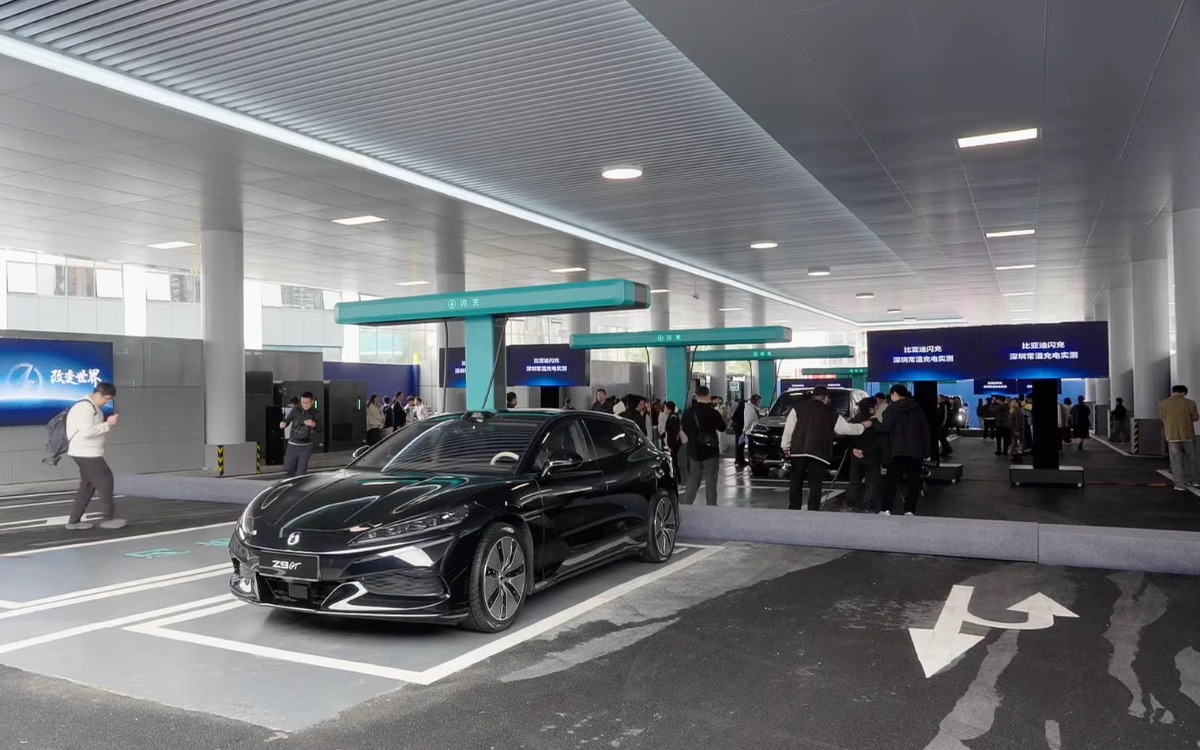
In a major leap forward for electric mobility, Lynk & Co has introduced its latest innovation, the Lynk & Co 10+—an electric car that promises to dramatically cut down charging times. The company claims that the vehicle can charge from 10% to 80% in just over five minutes when connected to a sufficiently powerful charger, with a near full charge achievable in under nine minutes. This development could mark a turning point in the electric vehicle (EV) industry, where charging time has long been one of the biggest hurdles to widespread adoption.
For years, the EV market has struggled with the perception that electric cars are inconvenient due to lengthy charging sessions. Even with the latest fast-charging systems, most EVs take anywhere between 20 to 40 minutes to reach 80% battery capacity under optimal conditions. By comparison, the Lynk & Co 10+ appears to bring charging times closer to the experience of refueling a traditional petrol or diesel vehicle, potentially reshaping consumer expectations.
At the heart of this breakthrough is a new battery and charging architecture designed to handle ultra-high power input. While the company has not disclosed all technical details, industry observers believe the vehicle operates on an advanced high-voltage platform, likely exceeding the now-common 800-volt systems seen in premium EVs. This allows the battery to accept a much higher charging rate without overheating or degrading rapidly.
Equally critical is the development of next-generation battery chemistry. Fast charging at such extreme speeds typically leads to increased heat generation and stress on battery cells, which can reduce lifespan and compromise safety. To address this, the Lynk & Co 10+ is expected to feature enhanced thermal management systems and advanced materials that can withstand rapid energy transfer. These improvements suggest that the company has focused not only on speed but also on maintaining durability and reliability.

However, the ability to achieve these record-breaking charging times depends heavily on access to ultra-fast charging infrastructure. Chargers capable of delivering the required level of power are still limited in availability, particularly outside major urban centers and developed markets. While countries like China are rapidly expanding their high-capacity charging networks, many regions still lack the infrastructure needed to fully utilize such advanced vehicles.
Despite this limitation, the introduction of ultra-fast charging technology is likely to accelerate infrastructure development. As automakers push the boundaries of EV performance, governments and private companies may feel increased pressure to invest in next-generation charging networks. This could lead to a more robust and widespread ecosystem that supports faster, more convenient charging for all EV users.
The potential impact of the Lynk & Co 10+ extends beyond individual consumers. Commercial sectors, including ride-hailing services, delivery fleets, and public transportation systems, stand to benefit significantly from reduced charging times. Vehicles that can be recharged in minutes rather than hours can spend more time on the road, improving efficiency and profitability. This could be particularly valuable in densely populated cities where demand for mobility services is high.
At the same time, the rise of ultra-fast charging raises important questions about energy consumption and grid stability. Delivering such high levels of power to multiple vehicles simultaneously could place significant strain on local electricity networks. Experts emphasize the need for smart energy management systems, including battery storage solutions and load balancing technologies, to ensure that the grid can handle increased demand without disruptions.
Safety remains another key consideration. Rapid charging can generate substantial heat, which, if not properly managed, could pose risks to both the vehicle and its occupants. Lynk & Co has indicated that the 10+ incorporates advanced safety mechanisms, including real-time monitoring and automatic adjustments to charging speed based on conditions. These features are designed to ensure that performance does not come at the expense of safety.
The unveiling of the Lynk & Co 10+ comes at a time of intense competition in the global EV market. Automakers are racing to differentiate themselves through innovation, whether in battery technology, software integration, or design. Ultra-fast charging could become a crucial battleground, as companies strive to offer the most convenient and user-friendly experience.
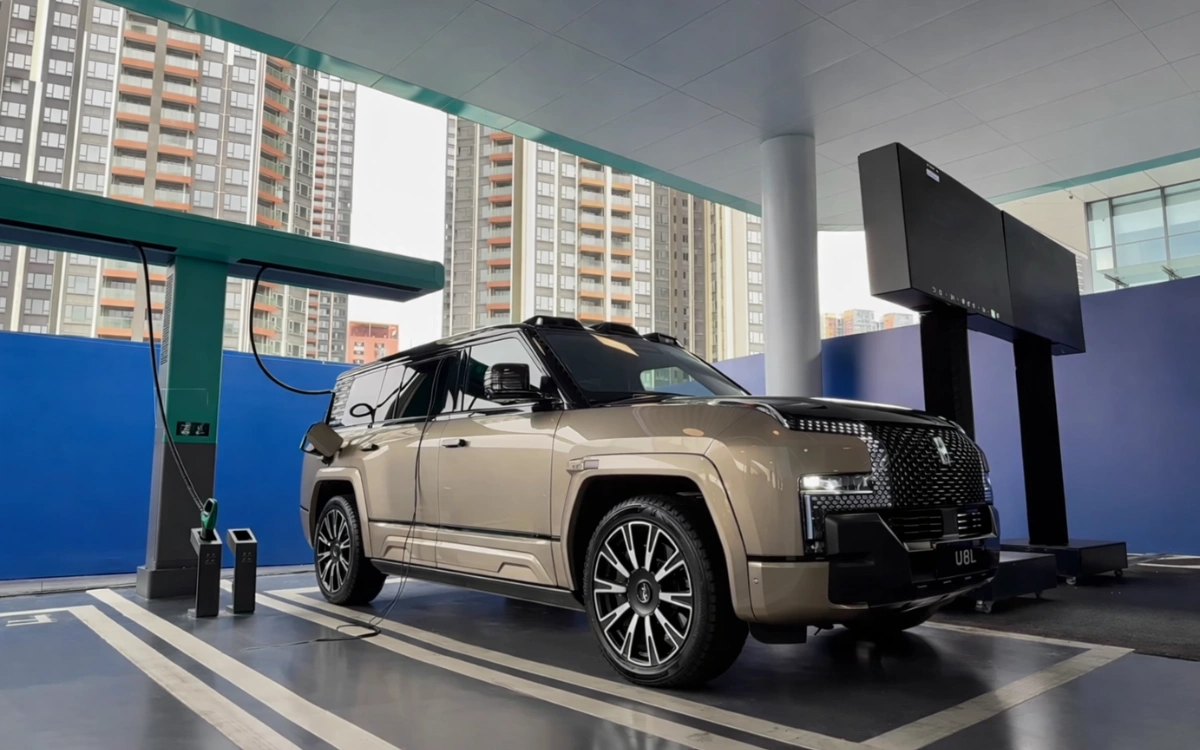
While pricing, availability, and specific market plans for the Lynk & Co 10+ have yet to be fully announced, the excitement surrounding the model is already growing. If the vehicle performs as claimed under real-world conditions, it could significantly boost consumer confidence in electric mobility and accelerate the transition away from internal combustion engines.
Ultimately, the Lynk & Co 10+ represents more than just a new car—it signals a shift in what is possible for electric vehicles. By tackling one of the most persistent challenges in the EV space, Lynk & Co is helping to pave the way for a future where electric cars are not only sustainable but also as convenient as traditional vehicles. As the technology continues to evolve, the dream of near-instant charging may soon become a standard feature rather than a groundbreaking exception.