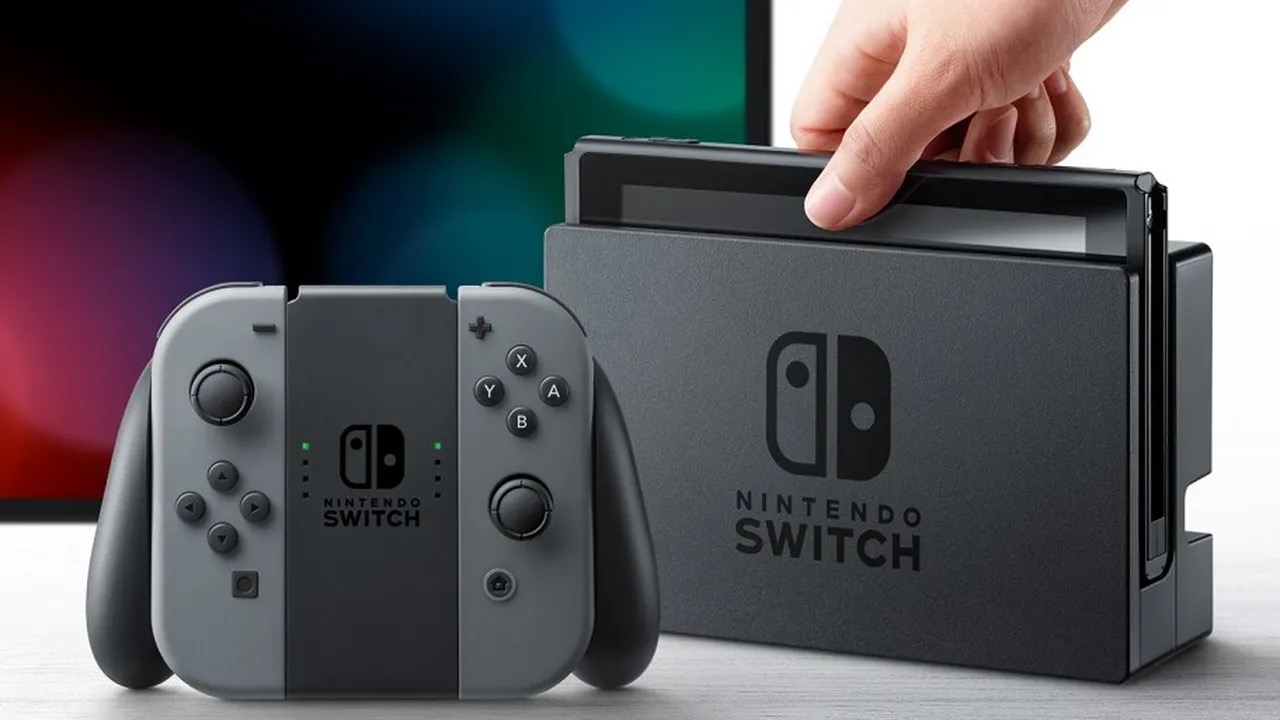
Nintendo’s hybrid gaming system, the Nintendo Switch, has officially become the best-selling console in the company’s history, surpassing the long-standing record previously held by the Nintendo DS. The milestone marks a defining moment not only for Nintendo but for the broader video game industry, underscoring the enduring appeal of flexible hardware design and strong first-party software.
First released in March 2017, the Nintendo Switch entered the market with a bold concept: a single device that could function both as a home console and a portable handheld system. At the time, analysts viewed the approach as risky, especially following the commercial disappointment of the Wii U. Instead, the Switch quickly gained traction among players of all ages, building momentum through a steady stream of exclusive titles and innovative gameplay experiences.

Over nearly a decade on the market, the Switch family of systems — including the original model, the handheld-only Switch Lite, and the upgraded OLED version — steadily accumulated global sales that pushed it past every previous Nintendo platform. With this achievement, the Switch moves ahead of the Nintendo DS, which had dominated the company’s lifetime hardware sales charts for years, and leaves behind other iconic systems such as the Wii, Game Boy, and NES.
Industry observers credit the Switch’s success to a combination of timing, design, and software strategy. The hybrid format allowed players to seamlessly move between television and handheld play, making it uniquely suited for modern lifestyles. This flexibility proved especially attractive to families, commuters, students, and travelers, helping the console reach audiences beyond traditional gaming demographics.
Equally important has been Nintendo’s software lineup. The Switch launched with and continued to receive a strong catalog of exclusive games built around well-known franchises. Titles featuring Mario, Zelda, Pokémon, Animal Crossing, and Super Smash Bros. consistently drove hardware adoption. Several of these games went on to become best-sellers in their own right, with some achieving record-breaking numbers within their respective series. Long-term software support, including downloadable content and regular updates, kept engagement high years after initial release.
Third-party developers also played a growing role in the Switch ecosystem. While early skepticism existed about whether major studios would support the hardware, the console ultimately attracted a wide range of ports and original releases. Developers adapted both indie and major titles to run on the platform, often tailoring gameplay for portable sessions. The rise of independent game studios further strengthened the Switch library, with many indie hits finding especially strong audiences on the system.
Another factor behind the console’s longevity has been Nintendo’s phased hardware refresh strategy. Instead of replacing the Switch quickly, the company introduced revised models at different price points and feature sets. The Switch Lite provided a more affordable, fully portable option, while the OLED model delivered a premium screen and improved build quality. These variations expanded the market and extended the platform’s life cycle without fragmenting the user base.
The Switch also benefited from cultural and social moments that boosted gaming activity worldwide. Periods of increased at-home entertainment demand contributed to surges in console and software sales. Certain titles became social phenomena, drawing in nontraditional players and encouraging shared play across households and online communities. The system’s accessible design and recognizable characters made it easy for new players to join.
Nintendo’s achievement comes during a transitional period for its hardware business. The company has already introduced its next-generation platform, but the original Switch continues to sell alongside it, supported by an enormous installed user base and an active software pipeline. Cross-generation releases and ongoing digital storefront activity are expected to keep the Switch ecosystem alive for years, even as newer hardware gains ground.
Despite becoming Nintendo’s top-selling console, the Switch still sits just below the highest lifetime sales figures in the broader console industry. Even so, analysts describe its performance as one of the most successful and sustained runs for any gaming platform. Few consoles have maintained both strong hardware sales and high software attachment rates over such a long period.
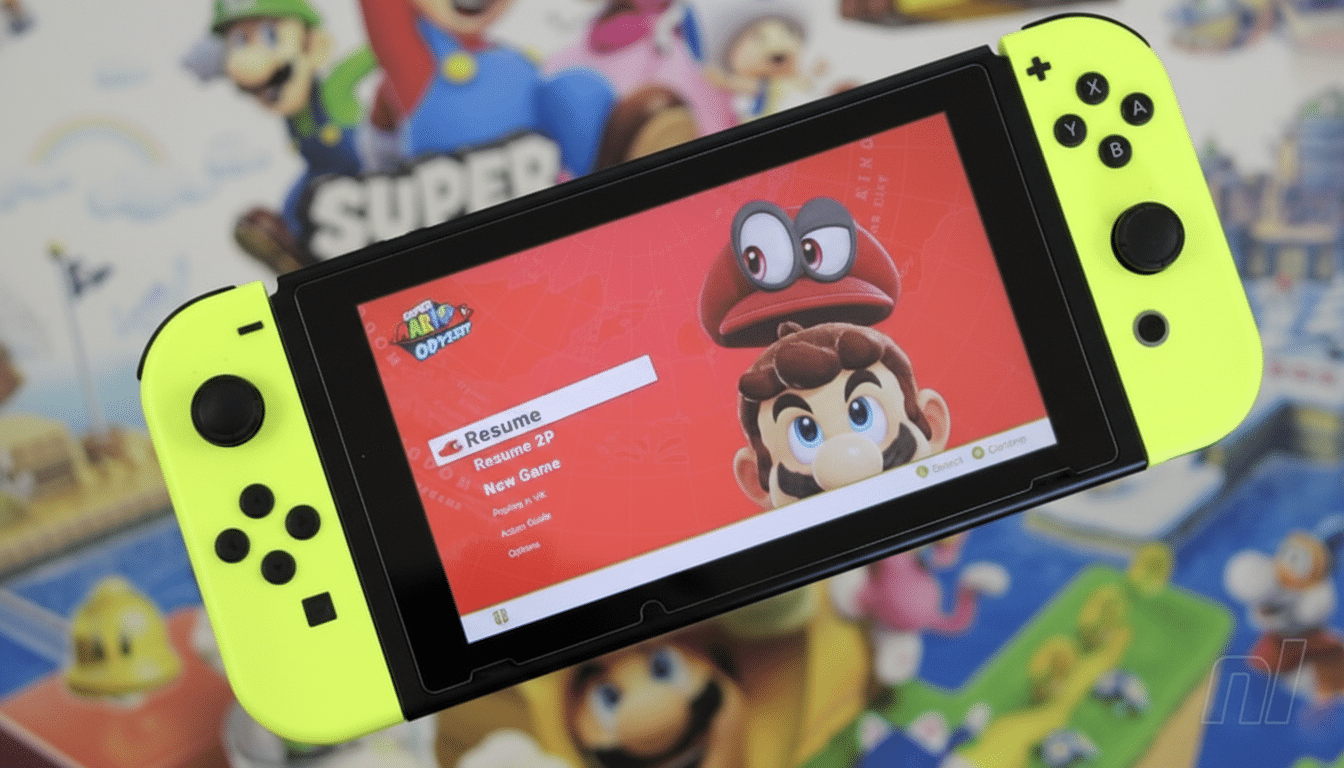
For Nintendo, the milestone reinforces the company’s long-standing strategy of differentiating through gameplay innovation rather than competing directly on raw processing power. Instead of chasing technical parity with competitors, Nintendo focused on distinctive user experiences, family-friendly design, and franchise strength. The Switch represents perhaps the clearest validation of that approach to date.
Looking ahead, the legacy of the Switch is likely to influence Nintendo’s hardware philosophy for years to come. Hybrid functionality, flexible play styles, and tightly integrated software ecosystems have proven their value in the market. Future platforms will be measured against the Switch’s blend of accessibility, creativity, and commercial success.
As the console secures its place at the top of Nintendo’s sales history, it also secures a place as one of the most transformative gaming systems of its era — a device that reshaped how and where people play.