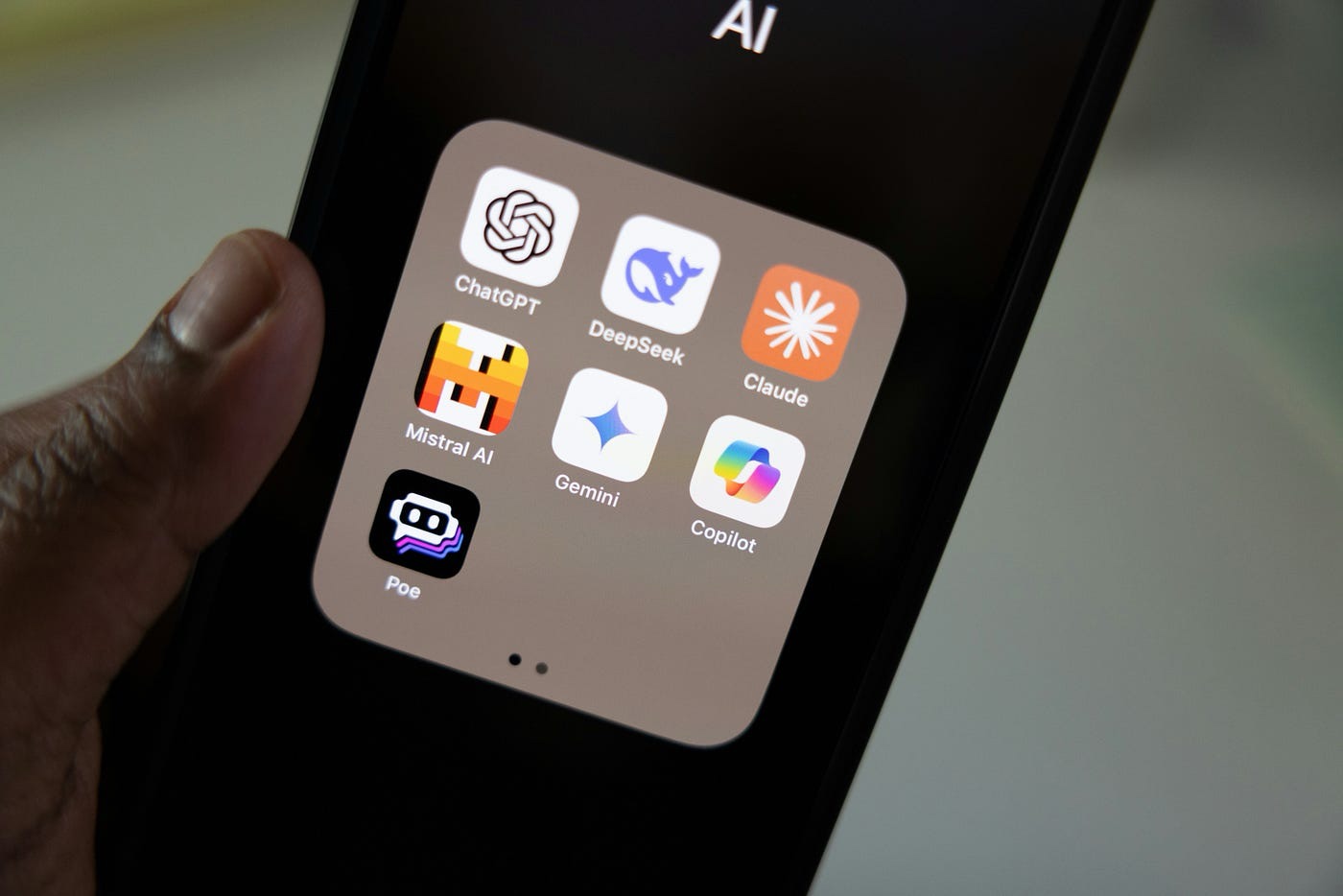
Anthropic’s artificial intelligence chatbot Claude has surged to the No. 1 position on Apple’s App Store productivity rankings, overtaking rival platforms after a wave of users shifted allegiance in response to growing controversy surrounding military partnerships in the AI industry. The sudden rise marks one of the most politically charged moments yet in the rapidly evolving competition between major artificial intelligence companies.
The shift follows public debate over how leading AI developers collaborate with defense institutions, particularly the U.S. Department of Defense, commonly known as the Pentagon. Anthropic’s leadership reportedly declined requests to expand certain operational permissions that critics feared could enable broader surveillance or autonomous military applications. The company emphasized its commitment to maintaining strict safety guardrails governing how advanced AI systems may be deployed.

Rather than harming Anthropic’s reputation, the stance appears to have resonated strongly with sections of the global technology community. Within days, downloads of Claude rose sharply across mobile platforms, pushing the application ahead of competitors, including OpenAI’s widely used chatbot ChatGPT.
Industry observers describe the development as an unusual case in which ethical positioning — rather than product features alone — directly influenced consumer behavior at scale. Social media platforms quickly became flooded with posts from users announcing subscription cancellations and migrations to Claude. Many framed their decision as an act of digital protest, arguing that AI companies should maintain independence from military priorities wherever possible.
The controversy intensified amid reports that OpenAI had entered deeper cooperation agreements with U.S. defense agencies to deploy AI technologies within secure governmental environments. While OpenAI maintained that such collaborations are governed by strict safeguards and exclude offensive weaponization, critics questioned whether increasing institutional integration could reshape the long-term direction of commercial AI development.
Anthropic, by contrast, positioned its refusal as part of a broader philosophy centered on responsible AI deployment. Company executives reiterated that advanced language models possess transformative power and must therefore be constrained by clearly defined ethical limits. Supporters interpreted the stance as evidence that corporate values could still shape technological progress in an era increasingly influenced by geopolitical competition.
Technology analysts note that the reaction highlights a growing awareness among everyday users regarding the societal implications of artificial intelligence. Just a few years ago, debates about AI ethics were largely confined to academic or policy circles. Today, consumer sentiment appears capable of affecting market rankings almost overnight.
App analytics firms reported a dramatic spike in downloads immediately following public discussion of the Pentagon dispute. Subscription conversions also rose, suggesting that the shift was not merely symbolic experimentation but reflected sustained user engagement. Developers tracking usage patterns indicated that many new users were professionals, students, and researchers seeking alternatives aligned with their ethical concerns.
The episode has also reignited broader questions about whether artificial intelligence companies can realistically remain neutral actors. Governments worldwide increasingly view advanced AI systems as strategic infrastructure comparable to energy networks or telecommunications. Defense partnerships offer funding, computing resources, and large-scale deployment opportunities that are difficult for private firms to ignore.
At the same time, public trust has emerged as an equally valuable asset. AI platforms rely heavily on voluntary user interaction to refine models and maintain relevance. Analysts argue that even perceptions of ethical compromise can influence adoption, particularly among younger and technologically engaged demographics.
Market competition between Claude and ChatGPT had already been intensifying prior to the controversy, with both platforms introducing improved reasoning capabilities, coding assistance, and multimodal features. However, the recent surge demonstrates that technological parity alone does not determine leadership in the AI marketplace. Reputation, transparency, and perceived social responsibility are becoming decisive factors.
Some experts caution that the divide between AI firms may be overstated. Most major developers, including Anthropic, maintain varying degrees of engagement with government or research institutions connected to national security. Nonetheless, the symbolic power of taking a visible stance appears to have reshaped public perception — at least temporarily.
For Apple’s App Store ecosystem, Claude’s ascent represents one of the fastest ranking climbs recorded in the productivity category this year. The momentum has sparked speculation that ethical branding could become a competitive strategy across the technology sector, influencing how companies communicate policies on surveillance, defense cooperation, and data governance.

The broader implications extend beyond a single application ranking. As artificial intelligence becomes embedded in education, business workflows, journalism, and creative industries, users are increasingly evaluating not only what tools can do but also who controls them and for what purposes they may ultimately be used.
Whether Claude can maintain its top position remains uncertain. App rankings often fluctuate as public attention shifts and competing platforms release new features. Yet the episode underscores a pivotal transition in the AI era: consumers are no longer passive adopters of emerging technology but active participants shaping corporate decision-making through collective action.
In the coming months, AI companies are likely to face intensified scrutiny regarding partnerships with governments and defense agencies. The competition between innovation, national security interests, and ethical accountability is expected to define the next phase of artificial intelligence development.
For now, Anthropic’s Claude stands as a striking example of how values-driven narratives can influence digital markets — transforming a policy dispute into a powerful show of public support and reshaping the balance of power in the global AI race.