
OpenAI may be preparing to make one of the boldest moves in consumer technology by entering the smartphone market with a device designed around artificial intelligence rather than traditional apps. Reports suggest the company is developing a phone that could launch in 2028 and fundamentally change how people use mobile devices. Instead of tapping through dozens of apps, users may rely on AI agents capable of completing tasks autonomously through natural conversation.
If realized, the concept could challenge the app-based model that has defined smartphones for nearly two decades. Since the introduction of modern smartphones, users have depended on individual apps for messaging, navigation, shopping, banking, entertainment, and productivity. OpenAI’s rumored device would replace much of that experience with a unified AI system that understands commands, performs tasks, and coordinates services in the background.
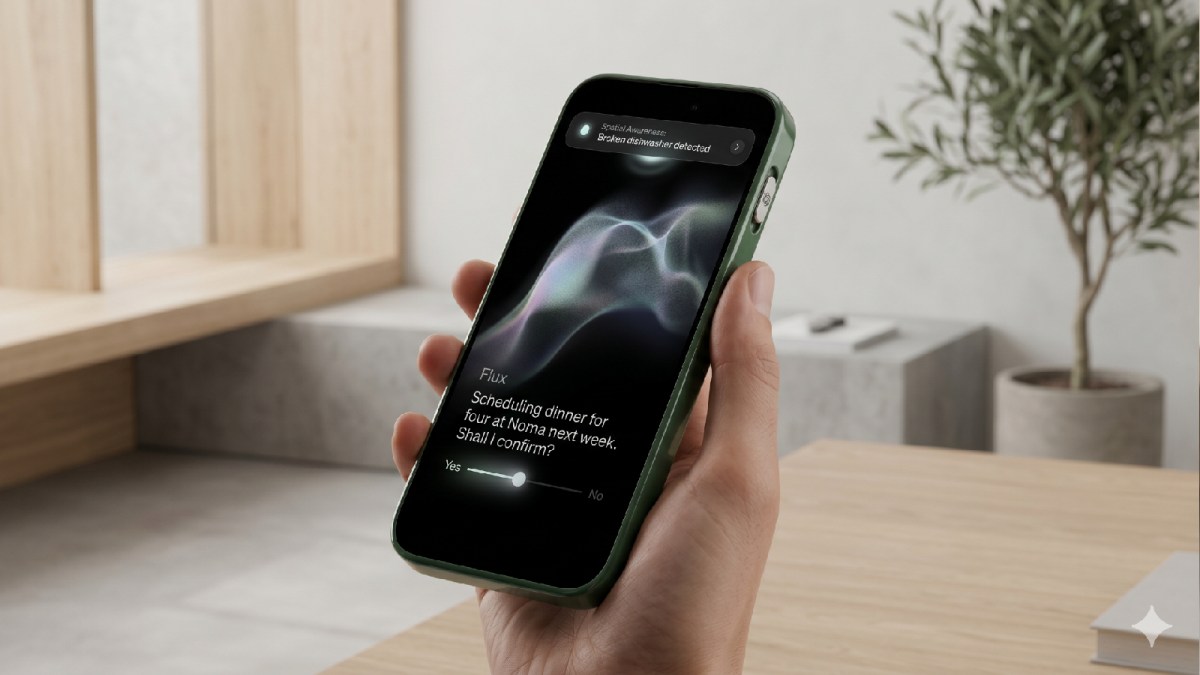
The vision centers on an intelligent agent that acts more like a digital personal assistant than a voice command tool. Existing assistants can answer questions, set alarms, or play music, but they usually stop at simple tasks. OpenAI’s proposed phone would aim to go further by handling complex, multi-step actions without constant user supervision.
For example, a user might say, “Plan my weekend trip to Goa under my budget,” and the AI could compare flights, search hotels, recommend activities, check the weather, and prepare a full itinerary. Another request such as “Order groceries for the week based on what I usually buy” could trigger a complete shopping order without the user opening any separate shopping app. A person could ask the phone to reschedule meetings, pay bills, book cabs, send gifts, or renew subscriptions through one conversational interface.
This would represent a dramatic shift in smartphone design. Instead of rows of icons and notifications competing for attention, the device could feature a cleaner interface focused on communication with the AI. Users may spend less time scrolling through menus and more time simply stating what they want done. The phone would then choose the right service, compare options, and execute the request.
Such an approach could also reduce what many consumers describe as app fatigue. Modern smartphones often contain dozens or even hundreds of apps, each requiring separate logins, updates, permissions, and notifications. Managing digital life can feel fragmented and overwhelming. An AI-first device could simplify that experience by serving as the single point of interaction for many daily tasks.
For businesses and developers, however, the implications would be enormous. The current mobile economy depends heavily on app stores, downloads, subscriptions, and in-app purchases. If users stop relying on standalone apps, companies may need to redesign their services so AI agents can access them directly. Instead of competing for downloads, brands might compete to become the preferred provider chosen by AI systems.
That could create a new software ecosystem built around APIs, integrations, and machine-readable services rather than visual app interfaces. Restaurants, travel companies, banks, retailers, and entertainment platforms may need to optimize their systems so AI agents can book, purchase, reserve, or recommend them instantly. In that world, being selected by the AI could become more valuable than being discovered in an app store.
The hardware itself is also expected to be different from conventional smartphones. Since the device would be designed around AI interactions, it may place greater emphasis on microphones, cameras, sensors, and context awareness. The phone could continuously understand location, schedule, habits, and preferences to deliver proactive assistance. Rather than waiting for commands, it might suggest leaving early for traffic, remind users of upcoming deadlines, recommend healthier meals, or automatically reorder essentials running low at home.
Privacy and trust, however, would be central challenges. For an AI agent to become truly useful, it would need access to calendars, contacts, payments, messages, browsing history, and other sensitive personal data. Many users may hesitate to grant that level of control unless OpenAI can provide strong security protections and transparent privacy policies.
Reliability is another hurdle. AI systems are improving rapidly, but mistakes still happen. An autonomous assistant that books the wrong flight, sends money incorrectly, or misunderstands an important instruction could quickly lose user confidence. OpenAI would need to ensure high accuracy, strong confirmation systems, and safeguards for critical tasks.
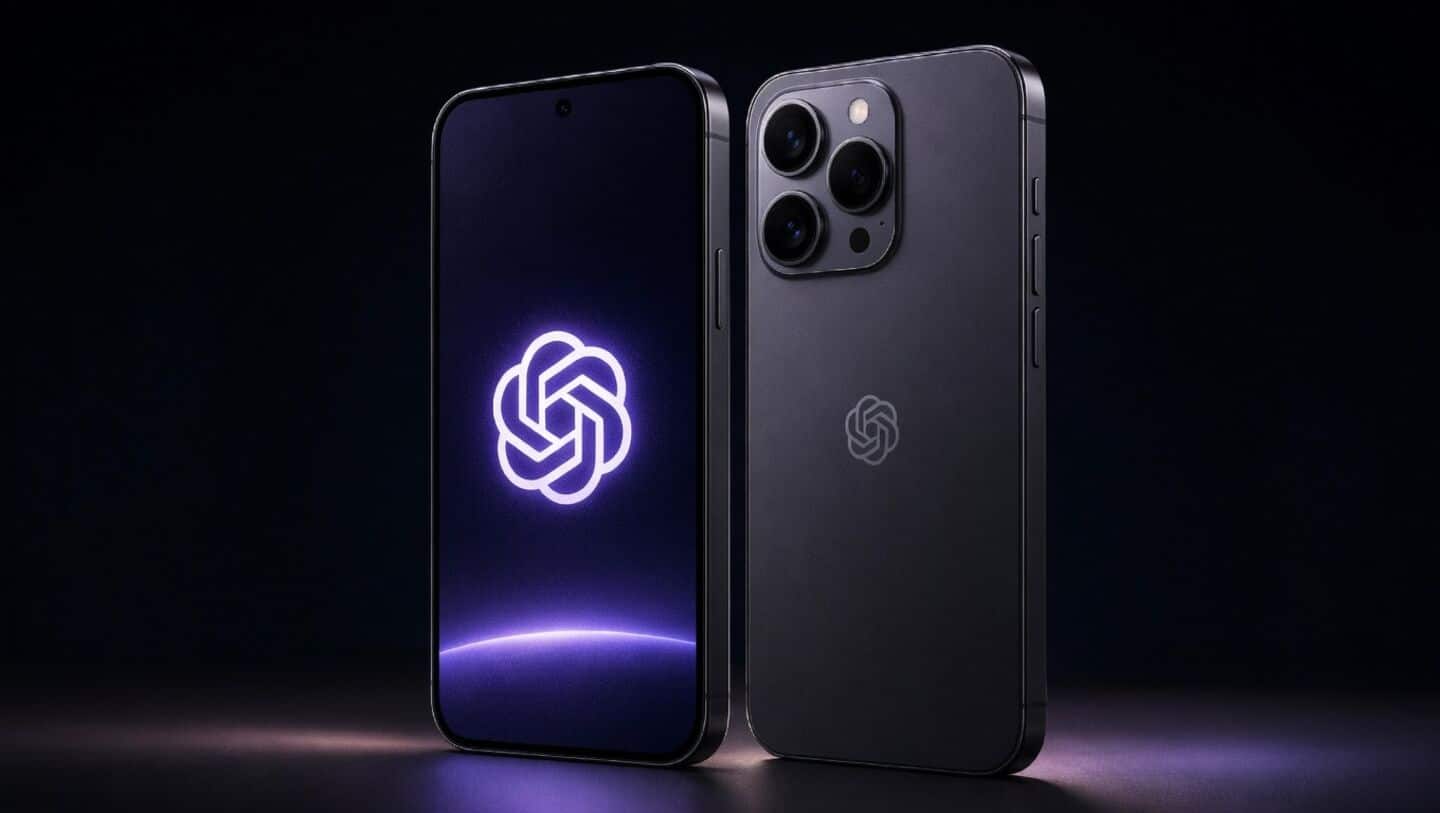
Battery life and processing demands could also be important factors. Advanced AI features require significant computing power, especially if some functions run directly on the device for speed and privacy. Balancing performance, heat management, and battery efficiency would be essential for a successful product.
Competition will likely be intense. Established smartphone makers and major tech companies are already investing heavily in AI-powered devices, smart assistants, and new interfaces. OpenAI may have a strong brand in artificial intelligence, but entering hardware would bring manufacturing, supply chain, retail, and customer support challenges that software companies do not usually face.
Still, the idea of an AI-native phone reflects a broader industry trend. Many technology leaders believe the future of computing will move away from apps and screens toward intelligent systems that anticipate needs and take action. Smartphones may remain the main personal device, but the way people interact with them could change completely.
If OpenAI launches such a phone in 2028, it may be remembered as the start of a new mobile era. Instead of managing apps, users could simply state their goals and let AI handle the details. Whether that future arrives on schedule or not, the race to reinvent the smartphone has clearly begun.