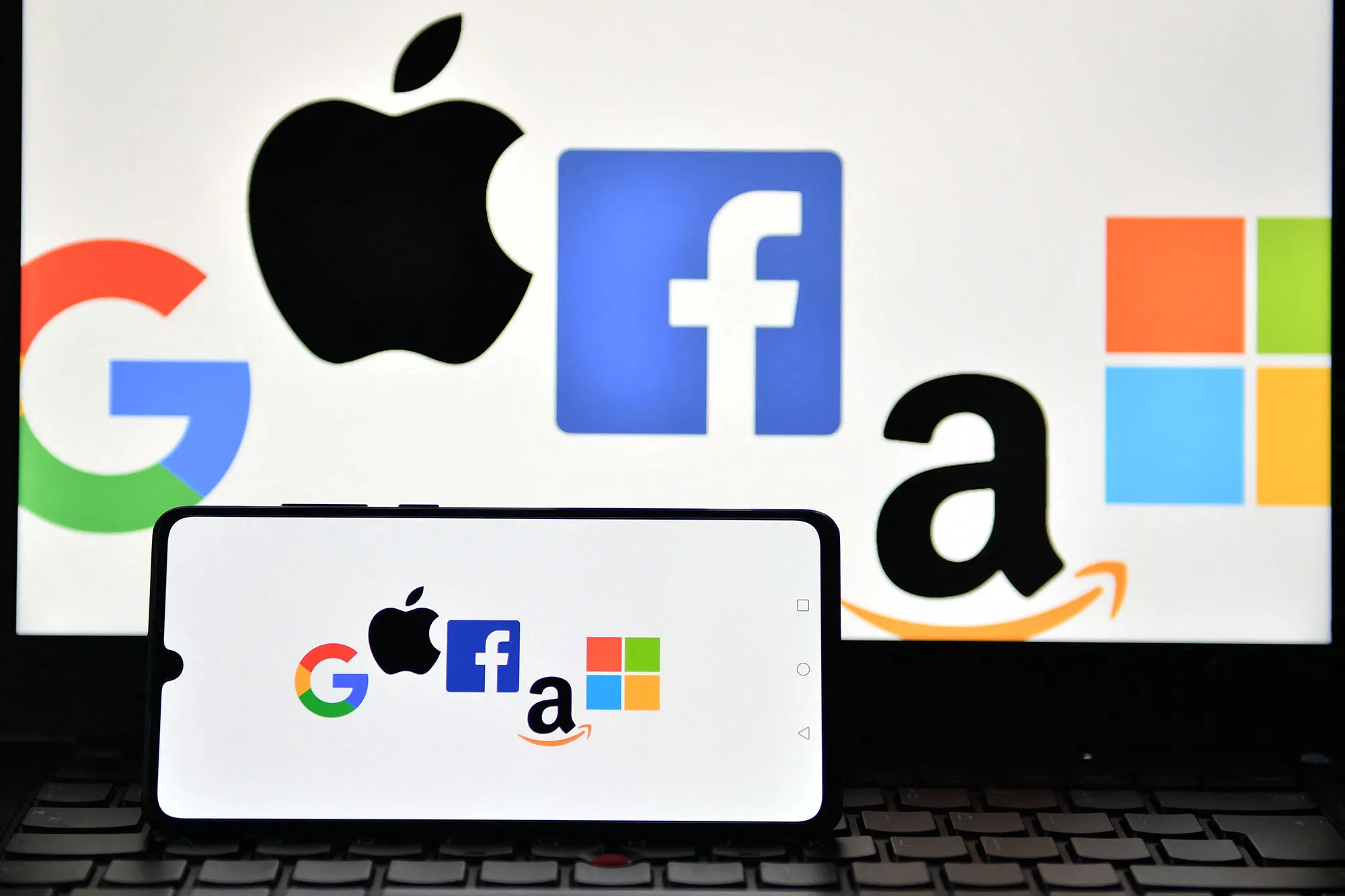
In a landmark move aimed at taming the power and influence of tech giants, the European Union (EU) has officially designated the “Big Six” tech companies as ‘Gatekeepers’ and imposed stringent regulatory measures. The decision comes after months of investigation into the dominance of these tech giants in various sectors of the digital economy.
Targeting Tech Titans
The European Commission, the executive branch of the EU, has named Amazon, Apple, Facebook (Meta Platforms, Inc.), Google (Alphabet Inc.), Microsoft, and Tencent as the ‘Gatekeepers’ of the digital age. These companies, collectively valued at trillions of dollars, are now subject to a set of regulations aimed at promoting fair competition, protecting user data, and ensuring that their immense market power is not abused.
The Regulatory Arsenal
Under the newly established framework, the Big Six ‘Gatekeepers’ will be required to adhere to a range of regulations and face strict oversight:
1. Data Portability: These companies must allow users to easily move their data to other platforms or services, fostering a more competitive digital landscape.
2. Interoperability: Ensuring that their services can work seamlessly with other platforms and services, promoting competition and innovation.
3. Transparency: Stricter requirements for disclosing how algorithms make decisions and for the display of content, particularly regarding online advertising.
4. Antitrust Enforcement: Enhanced enforcement measures to curb anti-competitive practices and abuses of market dominance, including hefty fines.
5. Data Privacy: Ensuring compliance with the General Data Protection Regulation (GDPR) and other privacy laws to protect user data.

Digital Commissioner’s Statement
Margrethe Vestager, the European Commission’s Executive Vice President for a Europe Fit for the Digital Age, emphasized the need for these regulations. She stated, “These gatekeepers can set the rules of the game for their competitors and their customers. We know that fair competition is essential for innovation. We cannot let unfair practices harm competition, which, in turn, can harm consumers.”
Industry Reaction
Unsurprisingly, the Big Six tech companies have expressed concerns over the new regulations. Some argue that these measures may stifle innovation and hinder their ability to provide quality services. However, proponents of the EU’s move argue that it is necessary to level the playing field and curb any potential abuses of power.
Global Implications
The EU’s decision is expected to have ripple effects beyond its borders. Tech companies often apply changes globally to simplify operations. As such, these regulations may influence tech policies in other regions, including the United States, where tech regulation has also been a topic of intense debate.
Ongoing Scrutiny
While this announcement marks a significant step in the EU’s efforts to regulate the tech industry, the situation remains fluid. The European Commission will closely monitor the implementation of these regulations, and further adjustments may be made to ensure they remain effective and fair.
As tech giants come to terms with this new regulatory landscape, the world watches to see how these developments will impact the digital economy and the broader tech industry in the years to come.