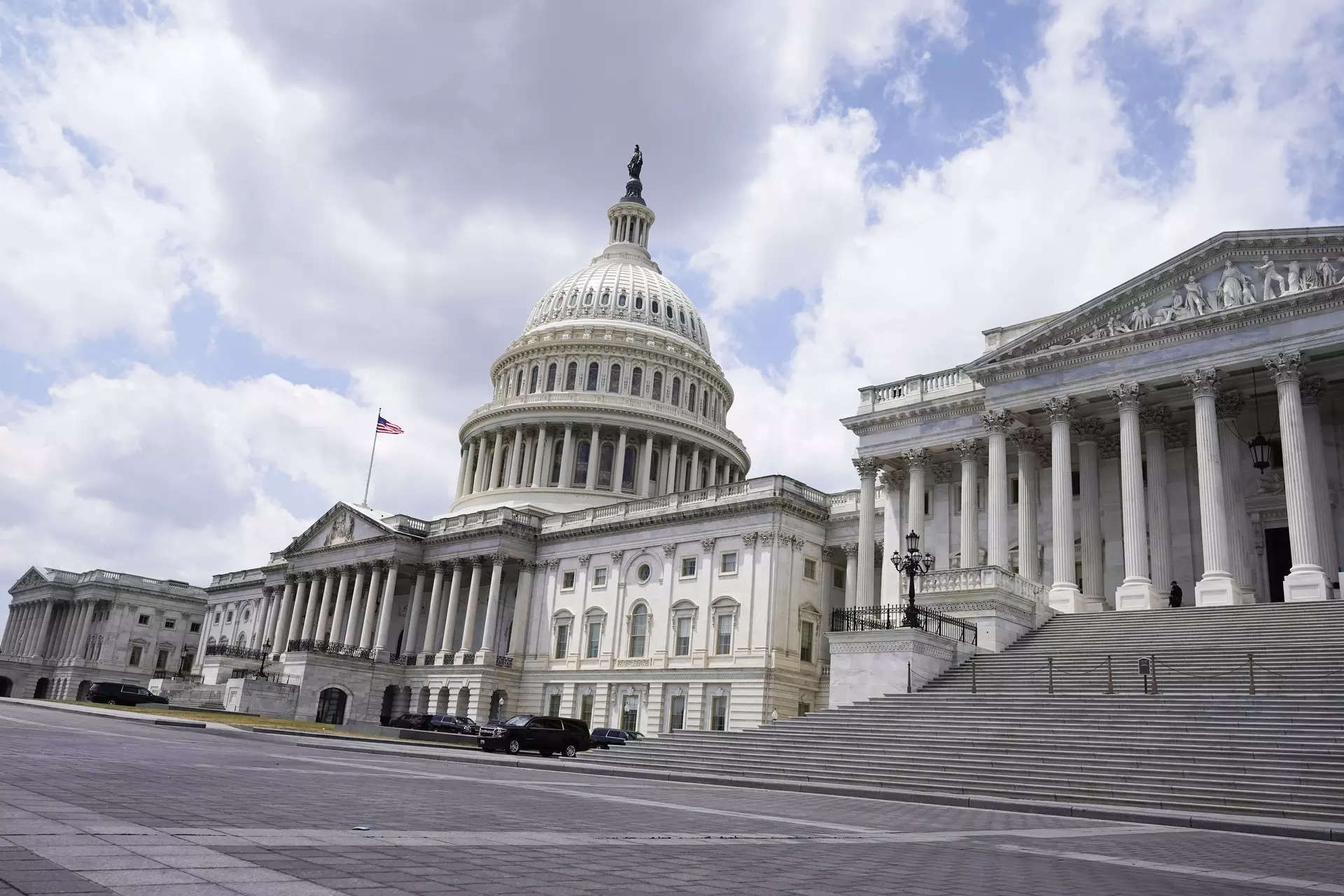
As the clock ticks toward a looming budget deadline, the United States faces the ominous prospect of a government shutdown. In this article, we break down everything you need to know about this critical situation, from its causes to its potential consequences.
What Is a Government Shutdown?
A government shutdown occurs when the U.S. federal government fails to pass the necessary appropriations bills or continuing resolutions (CRs) to fund its various agencies and functions. When this happens, non-essential government activities come to a halt, and many federal employees are furloughed without pay. Essential services like national security, emergency response, and public health, however, continue to operate.
Why Does It Happen?
Government shutdowns usually stem from political disagreements, budgetary disputes, or legislative gridlock. When Congress cannot agree on a budget or a temporary spending measure, government funding runs out, leading to a shutdown. These disagreements often revolve around issues like government spending levels, healthcare policy, immigration reform, or other policy priorities.
Who Is Affected?
Government shutdowns have far-reaching effects, impacting various sectors of society:
Federal Employees: Many federal employees are placed on furlough, which means they are temporarily laid off without pay. This includes workers across government agencies, from national parks to immigration offices.
Government Services: Services provided by federal agencies, such as tax processing, national park access, and passport issuance, may be disrupted or delayed.
Economy: Shutdowns can harm the economy by causing uncertainty in financial markets, reducing consumer and business confidence, and disrupting various sectors that rely on government contracts.
Research and Development: Scientific research projects and other government-funded initiatives may experience delays or setbacks.
National Security: While essential national security functions continue during a shutdown, funding for some security-related activities can be affected.
Government Contractors: Companies with government contracts may experience payment delays or disruptions in their work.

How Long Can It Last?
The duration of a government shutdown varies. Some shutdowns are resolved quickly with short-term funding agreements, while others can drag on for weeks. The longest government shutdown in U.S. history lasted for 35 days, spanning from December 2018 to January 2019.
What’s Being Done to Prevent It?
Efforts are underway in Congress to prevent a government shutdown. Lawmakers are working to pass government funding bills or continuing resolutions to keep federal agencies running. Negotiations, compromises, and bipartisan cooperation are key to finding a solution.
What Are the Consequences?
Government shutdowns can have significant consequences beyond the immediate impact on federal employees and services. They can damage the economy, erode public trust in government, and disrupt critical government functions. Shutdowns are costly, with billions of dollars lost in productivity and economic activity.
Conclusion
A government shutdown is a serious concern with wide-ranging implications for the nation. As Congress continues to navigate budgetary challenges, the eyes of the nation are on Capitol Hill, hoping for a resolution that will avert another government shutdown and its associated disruptions.