


In a significant development that combines religion and technology, Iranian officials are currently deliberating the possibility of utilizing Artificial Intelligence (AI) to issue fatwas. This move has sparked both curiosity and debate within the country and among the international community.
A fatwa is a legal opinion or religious decree issued by an Islamic scholar, typically a cleric, and holds considerable weight in the lives of Muslims, guiding them on various matters, including religious practices, ethics, and societal issues. The process of issuing fatwas traditionally involves extensive study of Islamic texts, jurisprudence, and consultation with fellow scholars.
The proposal to involve AI in the issuance of fatwas stems from a desire to streamline and modernize the process while maintaining the integrity of religious interpretations. Proponents argue that AI could assist religious scholars in analyzing complex issues and generating well-informed fatwas more efficiently.
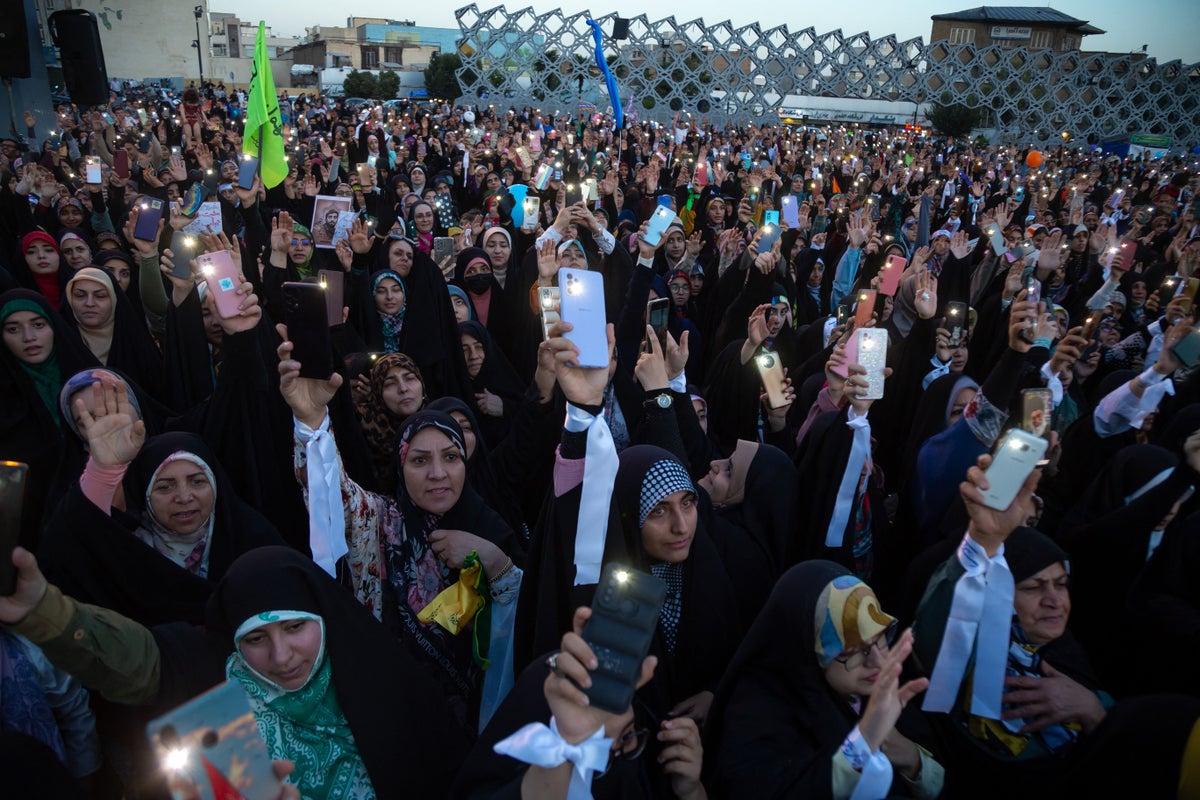
Iran’s Supreme Leader, Ayatollah Ali Khamenei, has shown interest in exploring this integration of AI and Islamic jurisprudence. While he has not yet given a definitive stance on the matter, his support could have a significant influence on its implementation.
“We are in the early stages of assessing how AI can be integrated into the fatwa issuance process,” stated Hassan Rouhani, a spokesperson for the Iranian government. “The intention is to enhance the speed and accuracy of fatwa issuance while maintaining the strict adherence to Islamic principles.”
However, this proposal has not been without its critics. Some religious scholars argue that AI lacks the spiritual and moral understanding necessary to issue religious rulings, as it cannot experience faith or empathy. Concerns have also been raised about the potential for misuse or misinterpretation of AI-generated fatwas.
Dr. Farid Abbas, a prominent Islamic scholar in Tehran, voiced his reservations, saying, “AI is a tool created by humans and can never replace the depth of knowledge, wisdom, and spiritual insight that a human religious scholar possesses. We must tread carefully and ensure that AI is used as a tool to assist, not replace, our esteemed clerics.”
The discussions surrounding AI-generated fatwas in Iran are part of a broader global conversation about the intersection of technology and religion. Several other countries and Islamic institutions have also contemplated using AI in religious contexts, including issuing fatwas and offering religious guidance.
As the Iranian government continues to explore the potential benefits and challenges of integrating AI into the issuance of fatwas, it remains to be seen how this development will evolve and whether it will gain acceptance both within the country and the broader Muslim world. The ultimate goal is to strike a balance between leveraging technological advancements and preserving the spiritual essence of religious practices and interpretations.
